Title: Next-generation core-shell ZnO tetrapod logic switches with integrated 2D materials
Research proposal No: 1.1.1.9/LZP/2/25/201
Duration: 01.10.2025.-30.09.2028.
Project Leader: Ph.D. Annamarija Trausa, Institute of Solid State Physics University of Latvia (ISSP UL)
Total budget: 187 557.60 EUR
European Regional Development Fund (ERDF) funding: 159 423.96 EUR
State budget funding: 18 755.76 EUR
ISSP UL budget: 9 377.88 EUR
Project description:
The main objective of this project is to demonstrate and characterize a novel nanoscale logic device with a core-shell ZnO tetrapod structure coated with a 2D material shell, integrating the 3D piezoelectric properties of ZnO and the high-performance electronic characteristics of 2D materials to create a low-power, mechanically reconfigurable logic switch for next-generation piezotronic applications. Tasks will include synthesis and coating of ZnO tetrapods, fabrication of electrode platforms, device assembly via nanoscale manipulation, and characterization of electromechanical switching behavior.
PROJECT PROGRESS
Time period: 01.03.2026. - 31.05.2026.
During this period, the implementation of the project continued according to the work plan, mainly focusing on WP1 activities (synthesis and characterization of ZnO tetrapods) as well as WP4 activities related to project coordination, knowledge exchange, and strengthening of international collaboration.
The project’s long-term mobility was started at the Mads Clausen Institute, University of Southern Denmark, in collaboration with Prof. habil. Yogendra Kumar Mishra and his group. The mobility is an essential part of WP1 implementation, as it provides access to SDU’s expertise in ZnO tetrapod synthesis using the flame transport method and supports practical knowledge transfer between the project partners.
During the mobility, the main focus is dedicated to the synthesis of ZnO tetrapods with tailored and controlled leg size. Obtaining such nanostructures is important for the later development of a nanoscale switch, since the morphology and dimensions of the tetrapods will influence both the deposition of 2D material coatings and the positioning of individual tetrapods on electrode platforms for electromechanical testing.
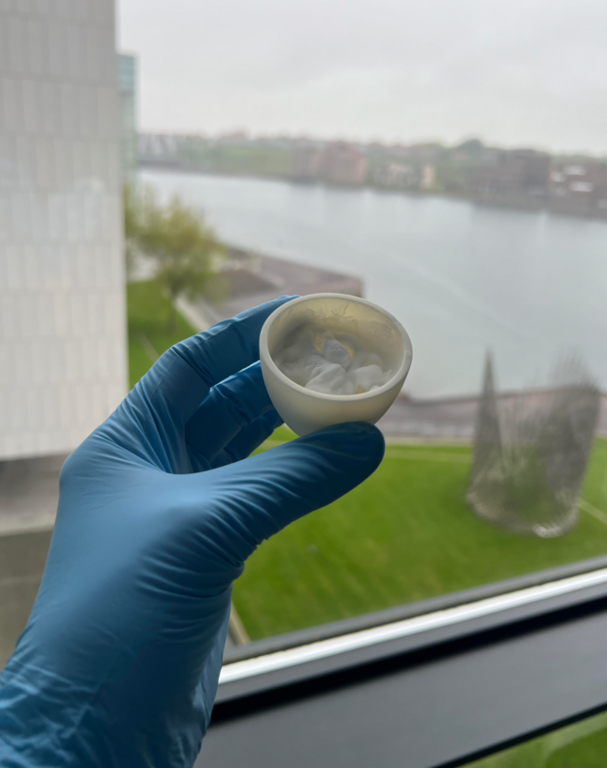
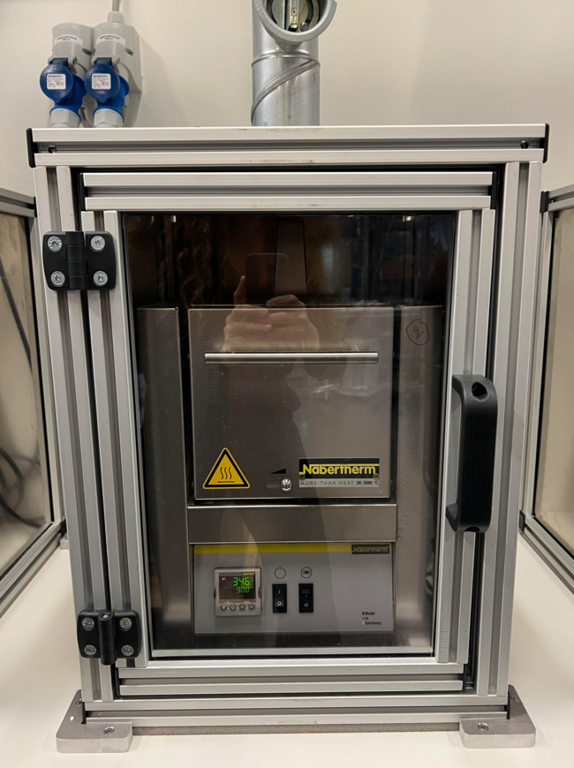
As the synthesis of nanosized ZnO tetrapods with reproducible morphology is technologically challenging, many synthesis attempts were carried out during this period by changing synthesis parameters. These activities are directly aligned with WP1 tasks and the project risk mitigation strategy, which foresees optimization of the synthesis process to obtain high-quality ZnO tetrapods with tailored size and morphology.
At the same time, collaboration between the Institute of Solid State Physics, University of Latvia, and the University of Southern Denmark was strengthened. Productive scientific discussions were held on ideas for new research proposals.
Time period: 01.10.2025. - 28.02.2026.
The project “Next-Generation Core-Shell ZnO Tetrapod Logic Switches with Integrated 2D Materials” (No. 1.1.1.9/LZP/2/25/201) officially started on the 1st of October, 2025. Already within its first months, activities were carried out to strengthen the scientific foundation of the work packages planned in the project timeline. These activities were closely aligned with the early stages of WP1 (ZnO tetrapod synthesis and characterization), the preparatory phase of WP3 (device fabrication), and WP4 (project dissemination and visibility).
Immediately after the project launch, work began on preparing the device platform. Using photolithography and thin-film deposition techniques, microfabricated substrates with patterned gold electrodes were produced. This step is essential for WP3, where individual core-shell ZnO tetrapods will later be positioned and electrically tested. In parallel, as part of WP4, a project poster plate has been designed and prepared. It is now publicly displayed at the Institute of Solid State Physics (ISSP UL), increasing the visibility of the project.
From 1st to 2nd of November, 2025, a research visit took place at IFIMUP, University of Porto. The main objective was to discuss integration strategies for 2D materials (MoS₂, WS₂) onto complex 3D ZnO tetrapod structures - a central concept of the project. As the project had just entered its preparation stage, these consultations were crucial for reducing experimental uncertainties before starting material processing.
From 3rd to 6th of November, 2025, participation in the International Conference on Layered Materials and Devices: From Atoms to Chips (Braga, Portugal) allowed presentation of the project concept at an early phase. This was important: feedback from experts in layered materials and nanoelectronics helped refine the device architecture and electromechanical testing strategy before fabrication activities intensify in later work packages. Meetings at the International Iberian Nanotechnology Laboratory (INL) additionally opened perspectives for simulation-supported collaboration, which can strengthen WP3 at a later stage.

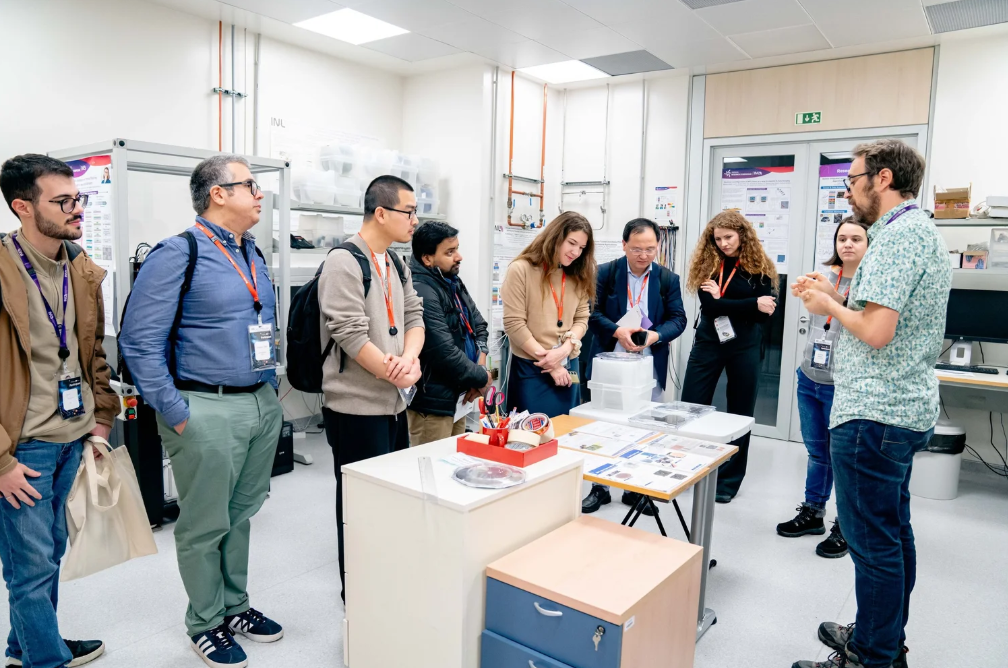
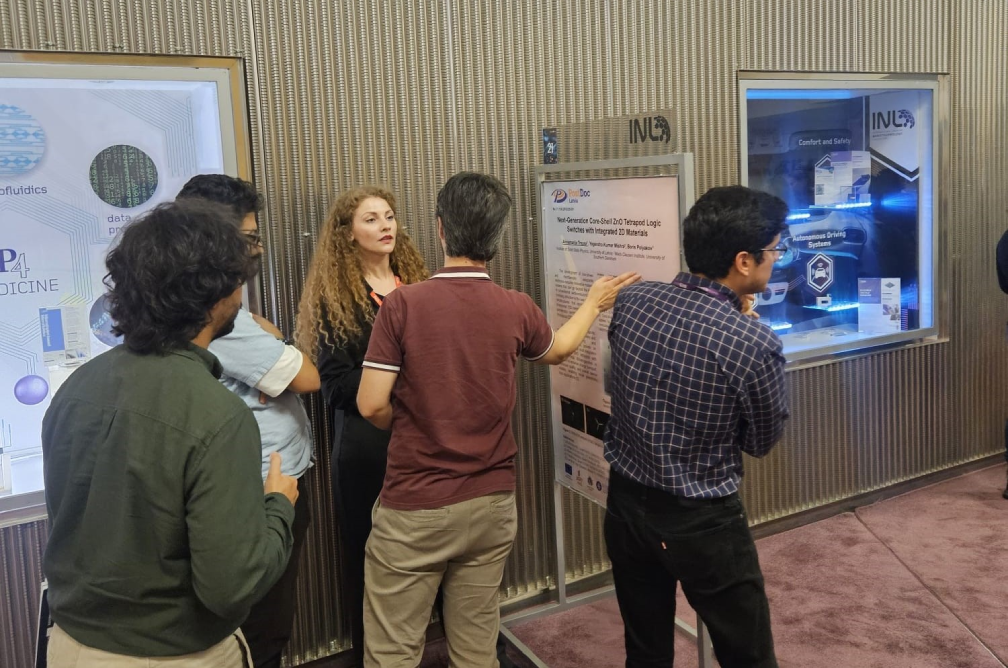
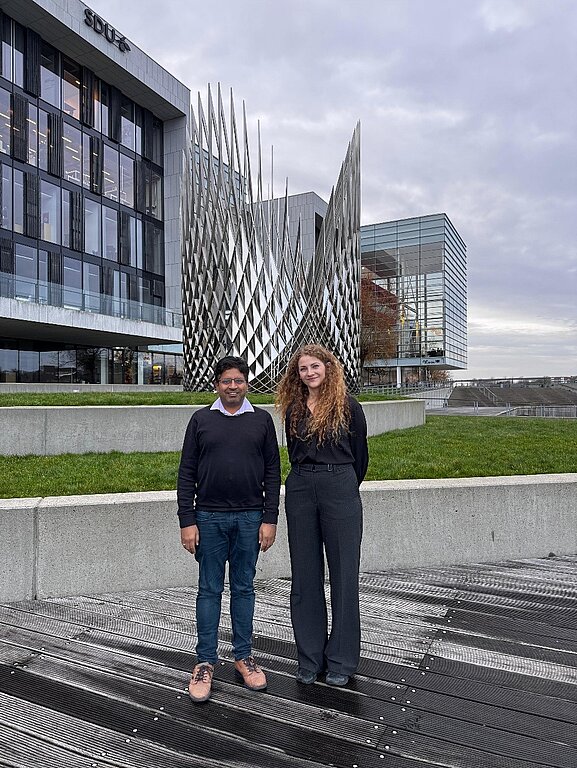
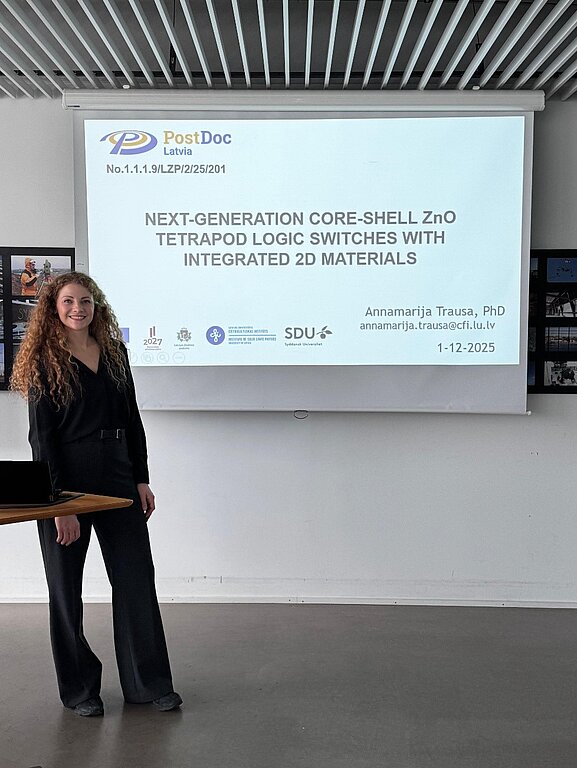
From 28th of November to 5th of December, 2025, a preparatory mobility visit was carried out at the Mads Clausen Institute, University of Southern Denmark (SDU). During this visit, discussions were held regarding synthesis parameters and characterization strategies. On the 1st of December, 2025, an invited presentation introduced the project objectives and experimental roadmap to the SDU research group. This visit was strategically important because the next phase will involve ZnO tetrapod synthesis and advanced characterization at SDU, where flame transport growth and complementary structural analysis will be performed in collaboration with the partner institution. By aligning synthesis methodology and characterization approaches early, the project reduces technical risks and ensures a coordinated start of ZnO tetrapod production.