
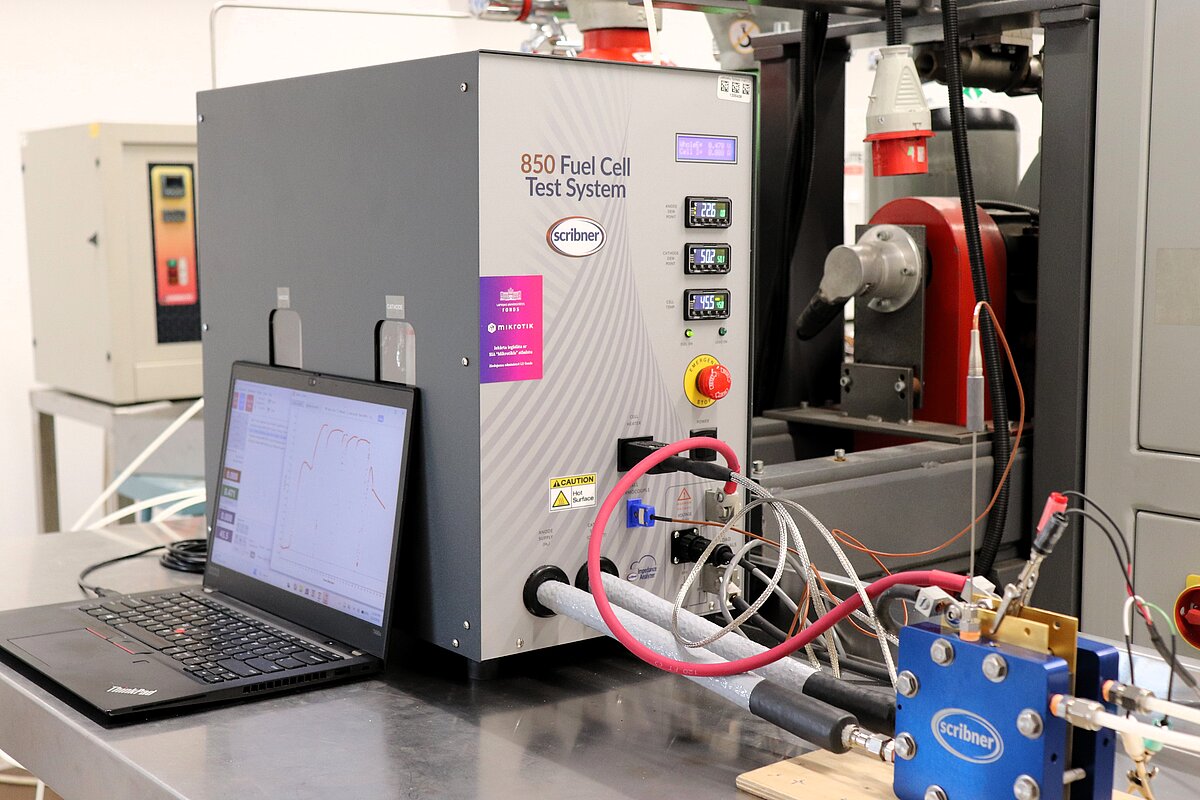
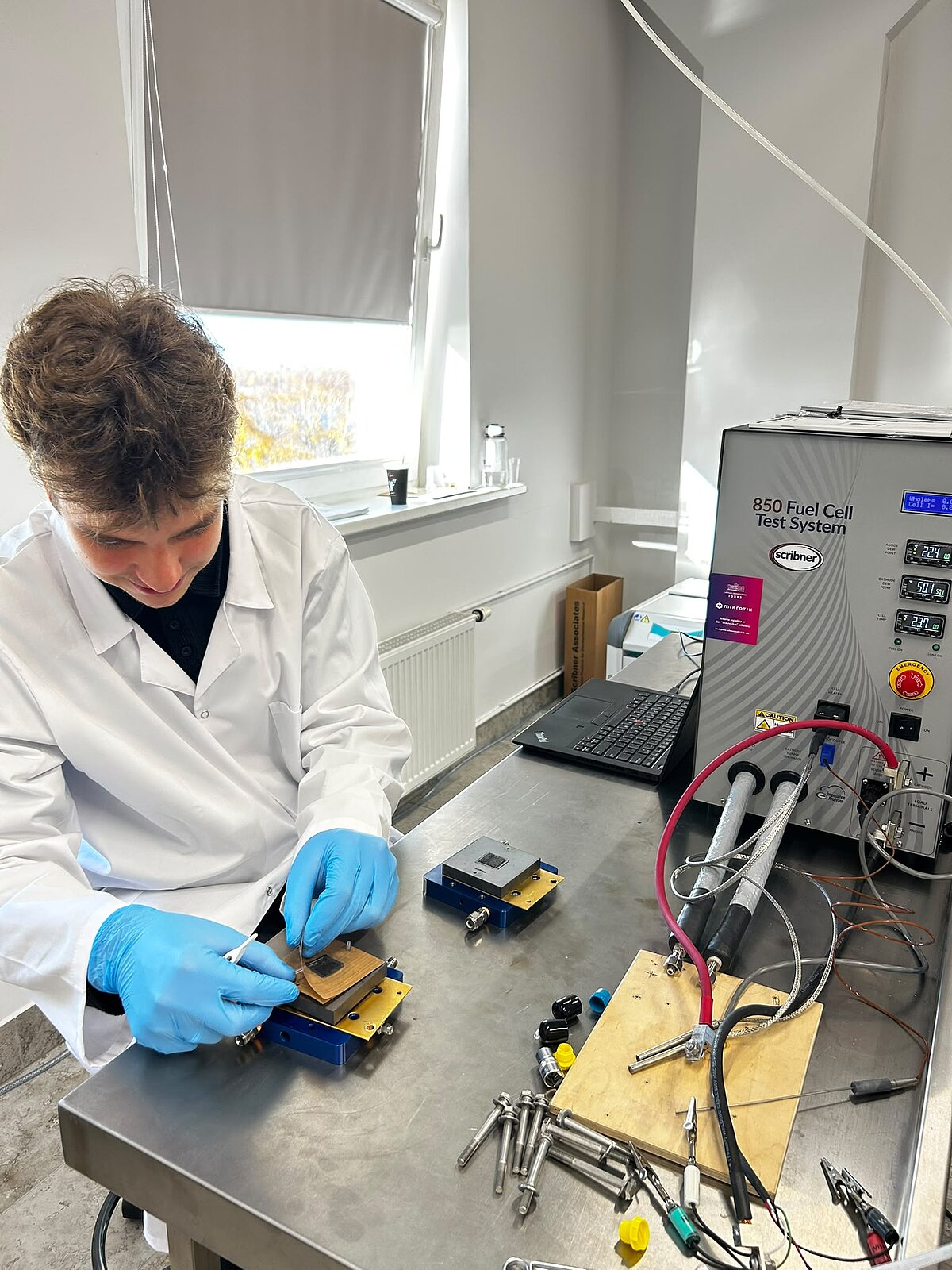
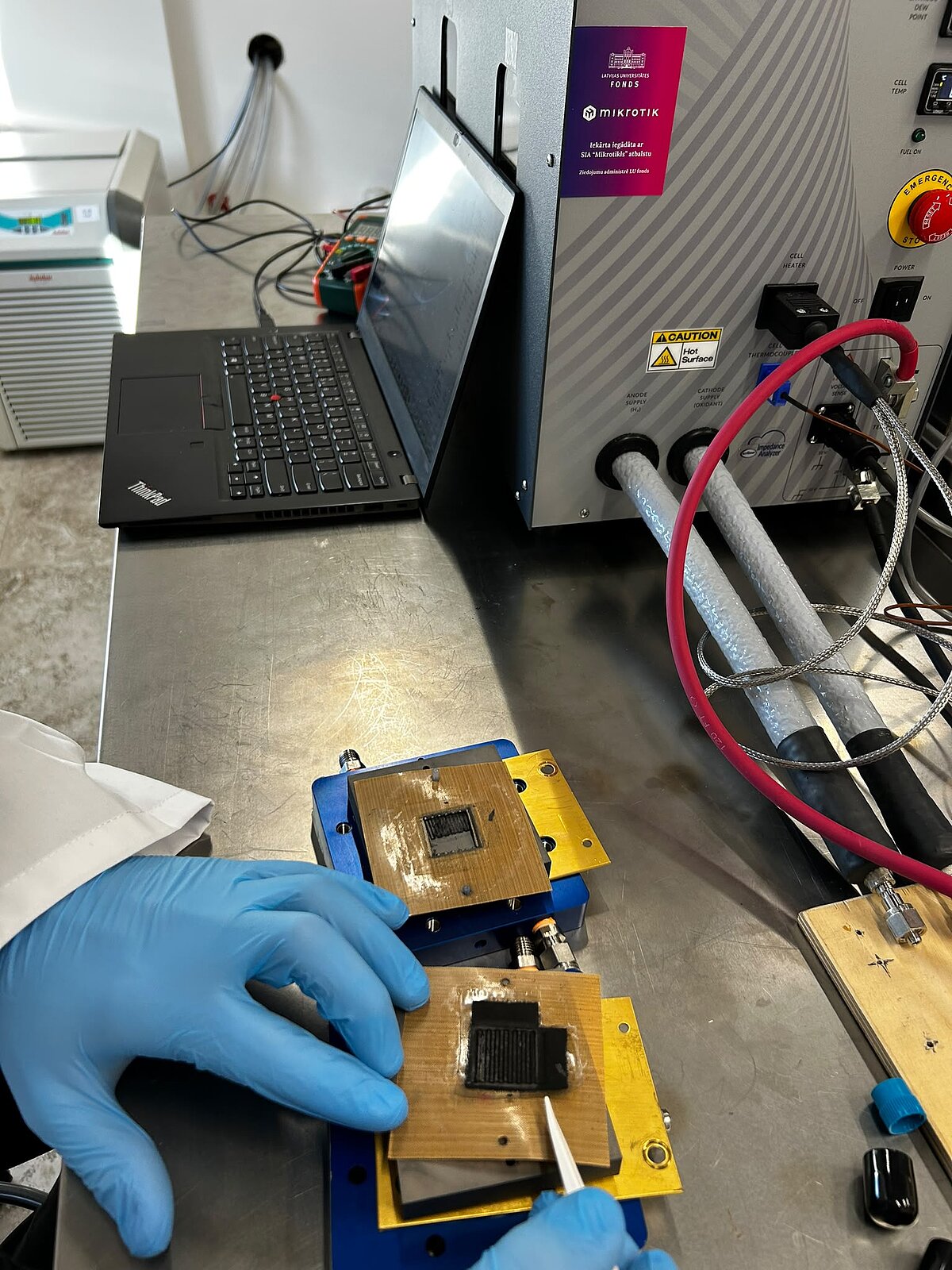
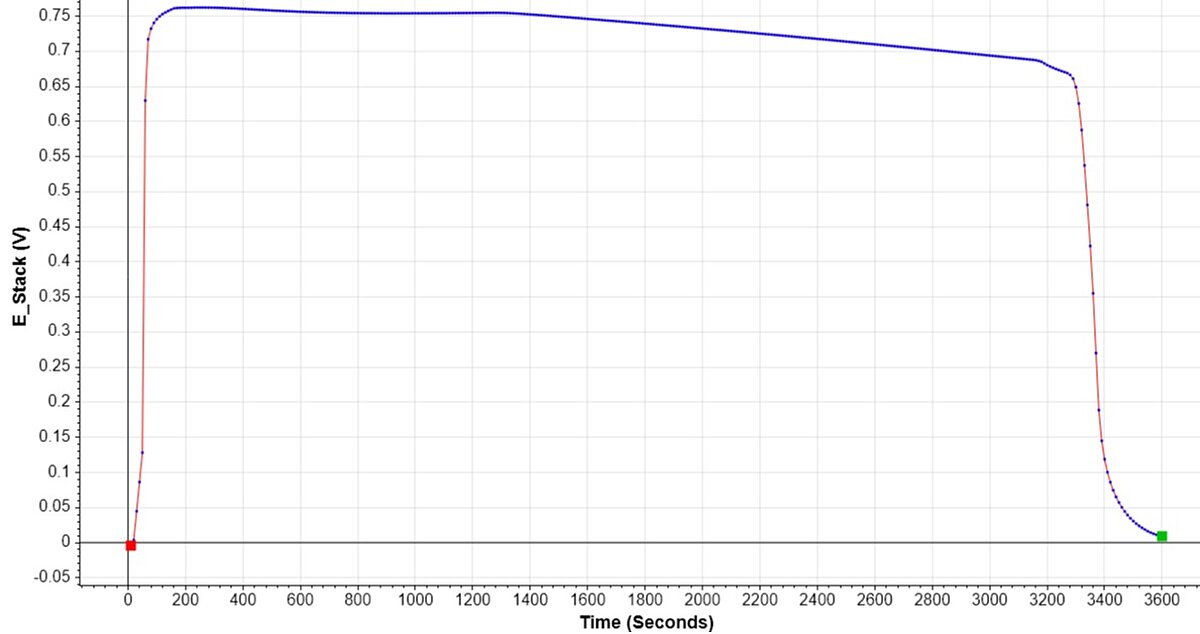

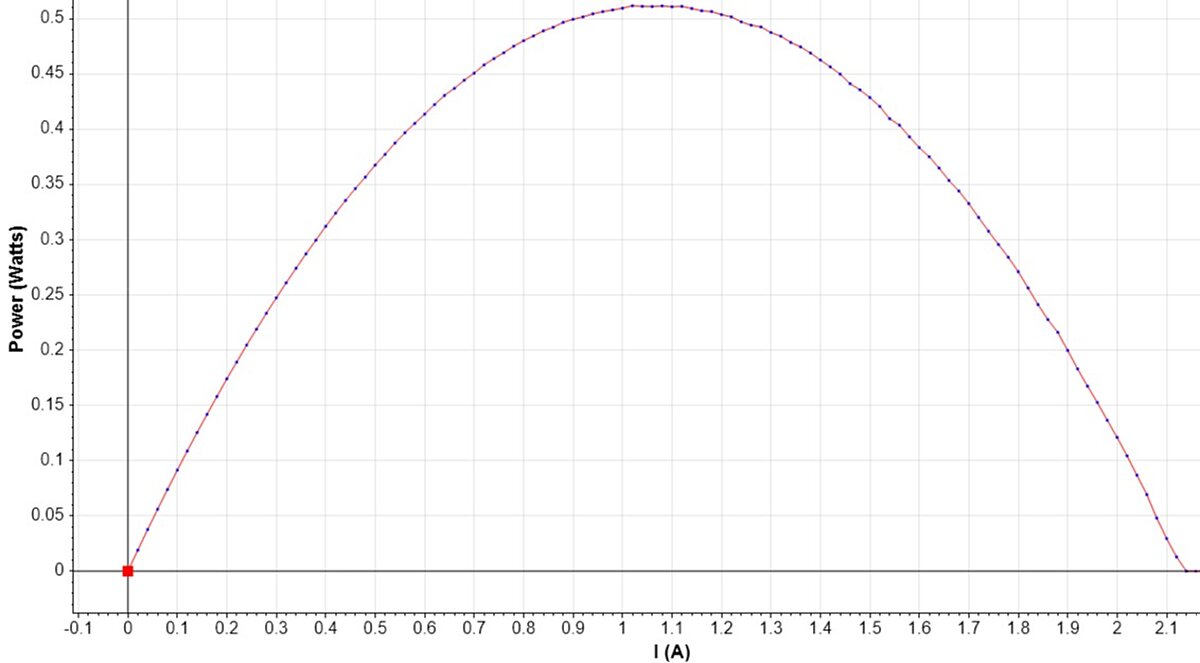
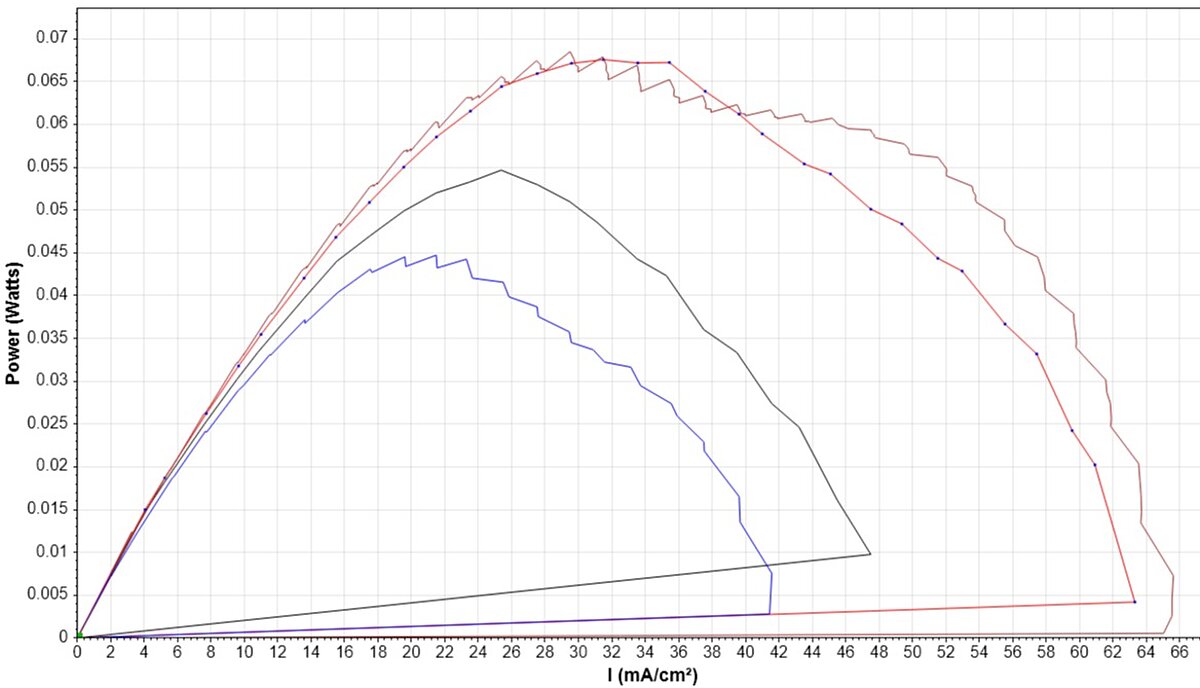
Thanks to the support of the company MikroTik, the Institute of Solid State Physics, University of Latvia (ISSP UL) has acquired and commenced work with a new, high-class research device – the Scribner 850 multi-range fuel cell test system.
The new hydrogen fuel cell testing system will allow the Institute's researchers to both study fuel cell components in greater detail – electrodes, catalysts, membranes, membrane-electrode assemblies, and bipolar plates – and analyse complete cells under real operating conditions.
Research with such equipment accelerates the global and Latvian transition to sustainable energy solutions – scientists can collaborate more easily and actively with the industry, which translates scientific discoveries into the production of real hydrogen energy products.
"MikroTik's support is a significant step in the development of Latvia's green energy and hydrogen technologies. There are currently several pressing global challenges regarding fuel cell components, and this system allows us to significantly accelerate their research and development. We are very grateful for this contribution, which gives us the opportunity to perform full-cycle measurements under conditions that are as close as possible to real-world applications. This strengthens our ability to innovate and expands opportunities for collaboration with the industry," emphasizes Ainārs Knoks, a leading researcher at the Laboratory of Energy Materials. For example, hydrogen obtained within the framework of the LACISE project, implemented under the Latvian-Swiss cooperation program, can be studied for its practical application in both commercial technologies and those developed at the Institute.
