
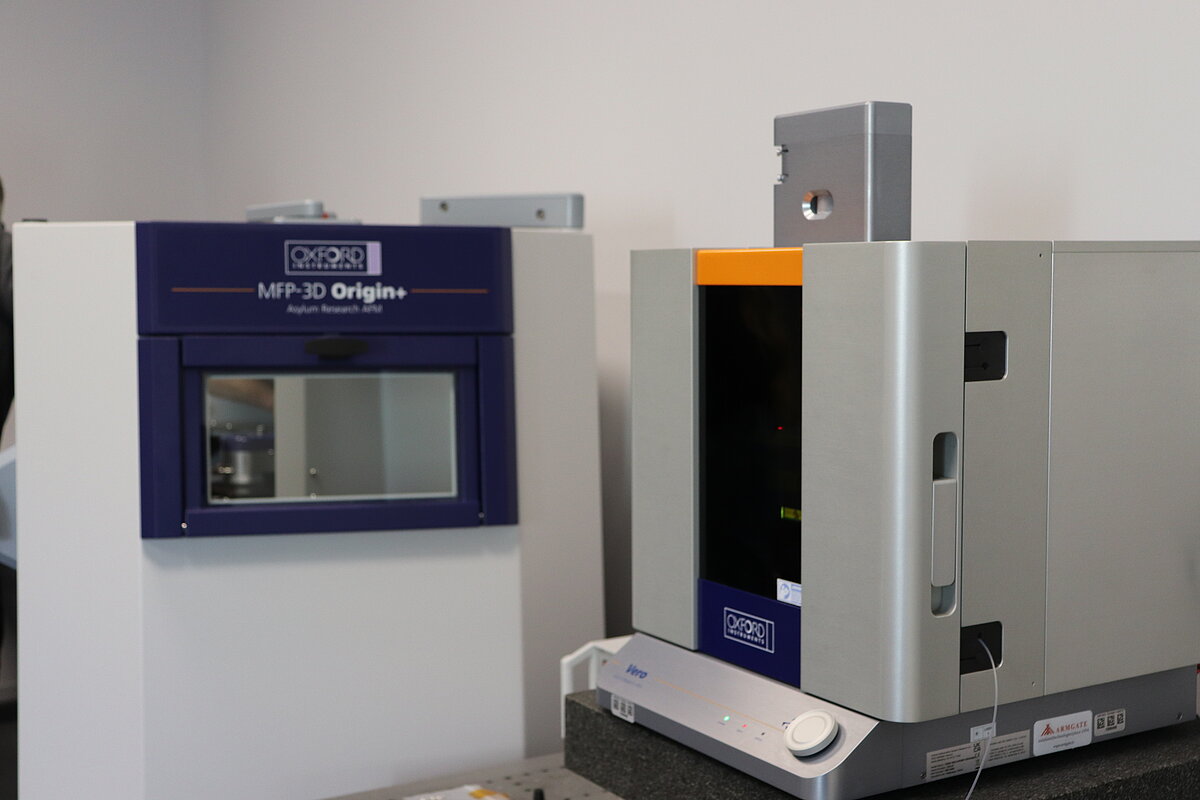
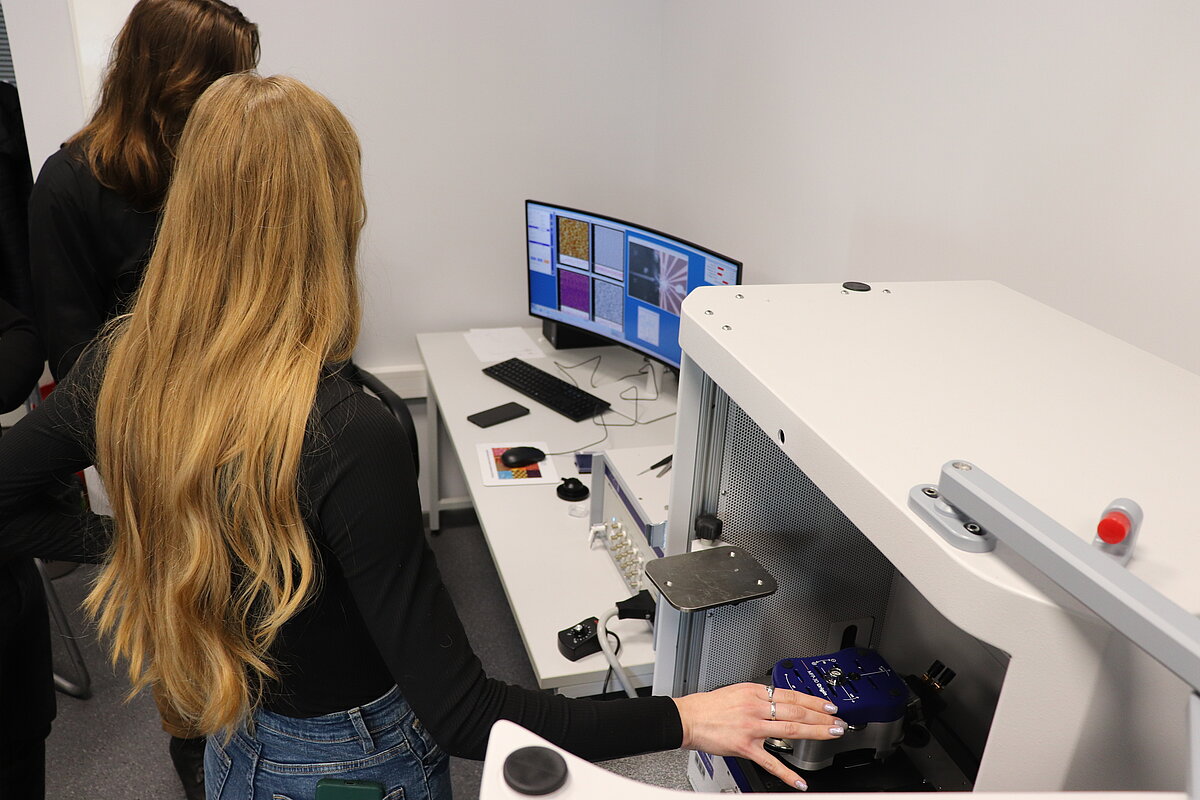
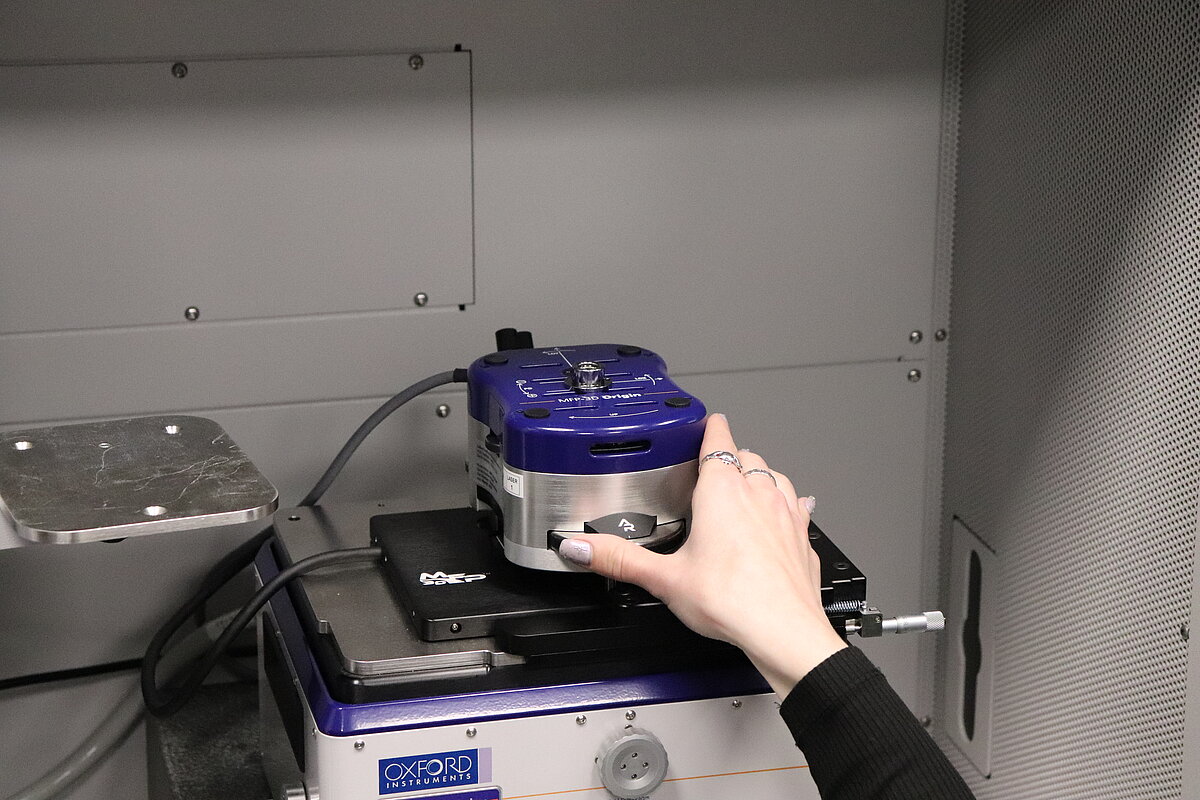
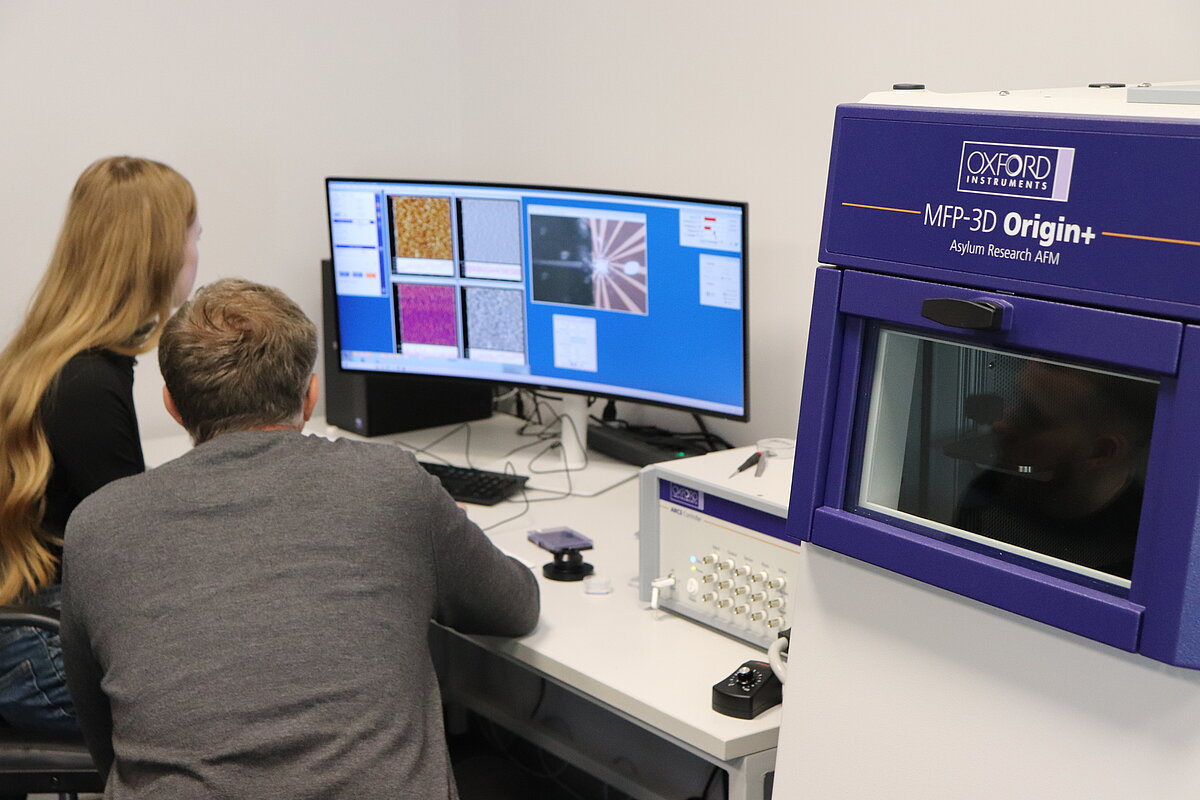
The Institute of Solid State Physics, University of Latvia (ISSP UL) has expanded its research equipment arsenal by acquiring a new-generation interferometric atomic force microscope (AFM). As one of the few devices of this calibre in the entire Baltic Sea region and Eastern Europe, it opens up new possibilities for materials science research.
The development of nanomaterials and smart devices is impossible without precise surface characterization. The new AFM is designed for the in-depth study of material surfaces, heterolayers, and phase boundaries, as well as for analysing electrical and magnetic properties which are critical for low-dimensional objects. This equipment provides the resolution and electrical measurement capabilities required for high-impact scientific publications, complementing the Institute's existing range of AFMs (such as the Veeco AFM CP-II) and electron microscopes (like the SEM Helios 5 UX) to offer comprehensive object characterization.
The AFM will be instrumental in implementing research projects such as FeLow-D, as well as in supporting studies within the Institute’s own units, including the Laboratory of Optical Materials and the Laboratory of Thin Films.
Keeping with ISSP UL’s open-access-lab concept, the AFM will be available to external users. Given that such high-level equipment is a rarity among Eastern European scientific institutions, extensive international collaboration is anticipated.
Scientific Institutions – Close cooperation is expected with the UL Institute of Chemical Physics, the RTU Faculty of Natural Sciences and Technology, the Baltic Biomaterials Centre of Excellence (BBCE), and the Biomedical Research and Study Centre.
Industry Partners – High-precision measurements will be accessible to key industry players, including GroGlass, Sidrabe, Dinex, RD Alfa, and Light Guide Optics International.
Research conducted with the new AFM directly aligns with the priorities of Latvia’s Smart Specialization Strategy (RIS3). These efforts will facilitate the creation of new functional elements with high practical potential for sensors and memory elements, smart energy solutions, biomedicine and environmental protection.
The installation of the new interferometric AFM solidifies ISSP UL’s position as a leading materials science centre in the region, providing researchers with the essential tools to drive next-generation technological innovation.
