
Our Laboratory of Energy Materials Leading Researcher Ainārs Knoks recently returned from a one-year research tenure in the United States. We caught up with him to discuss the scientific benefits of this experience, his observations on American research culture, and the key takeaways from his stay abroad.
Could you give us some details about this opportunity and your goals?
Ainārs: Supported by the prestigious Baltic-American Freedom Foundation (BAFF) Research Scholar fellowship, I worked in Prof. Gonghu Li’s laboratory within the Department of Chemistry at the University of New Hampshire. The primary goals were to foster international collaboration, establish new professional contacts, and exchange valuable research experience.
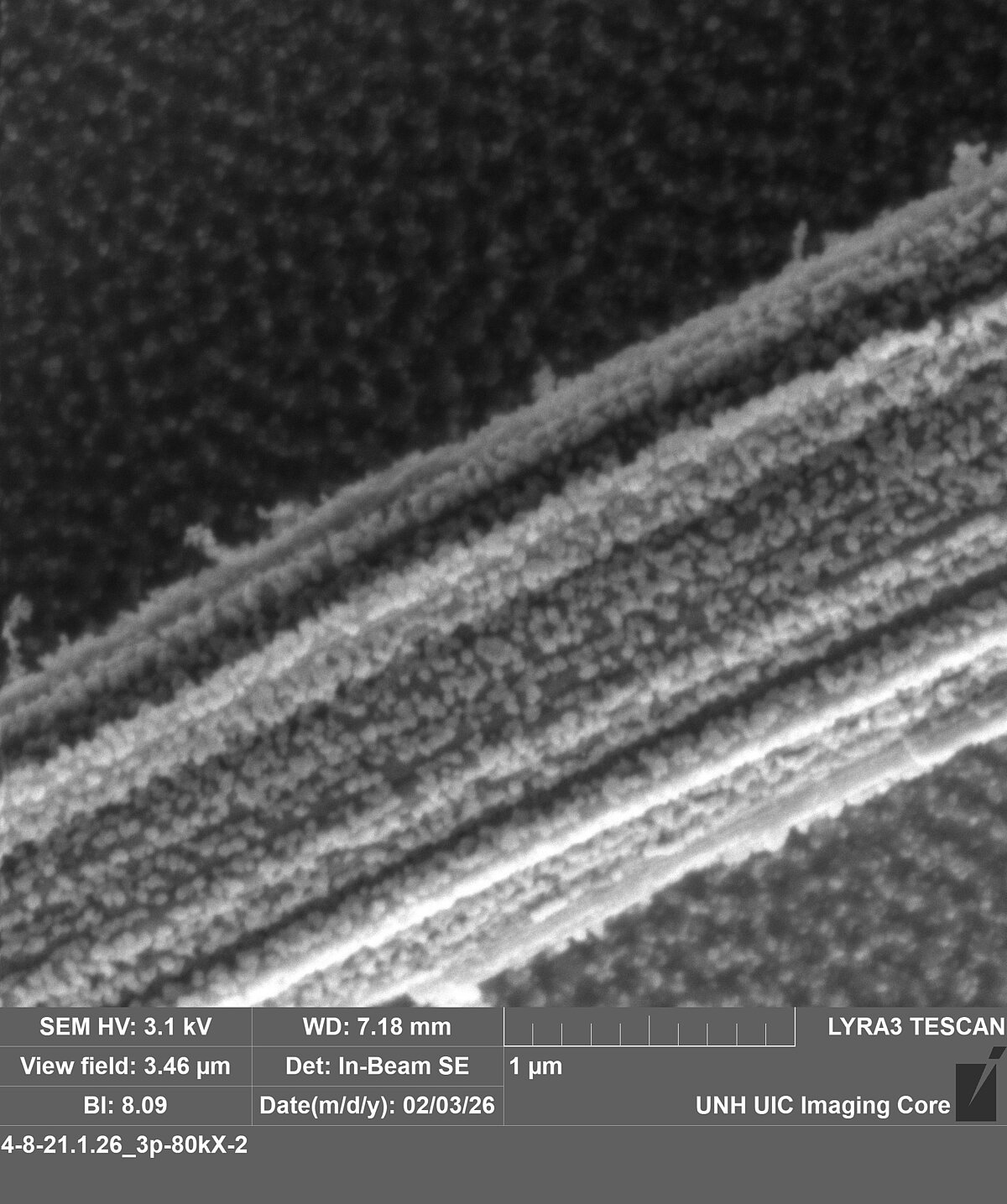
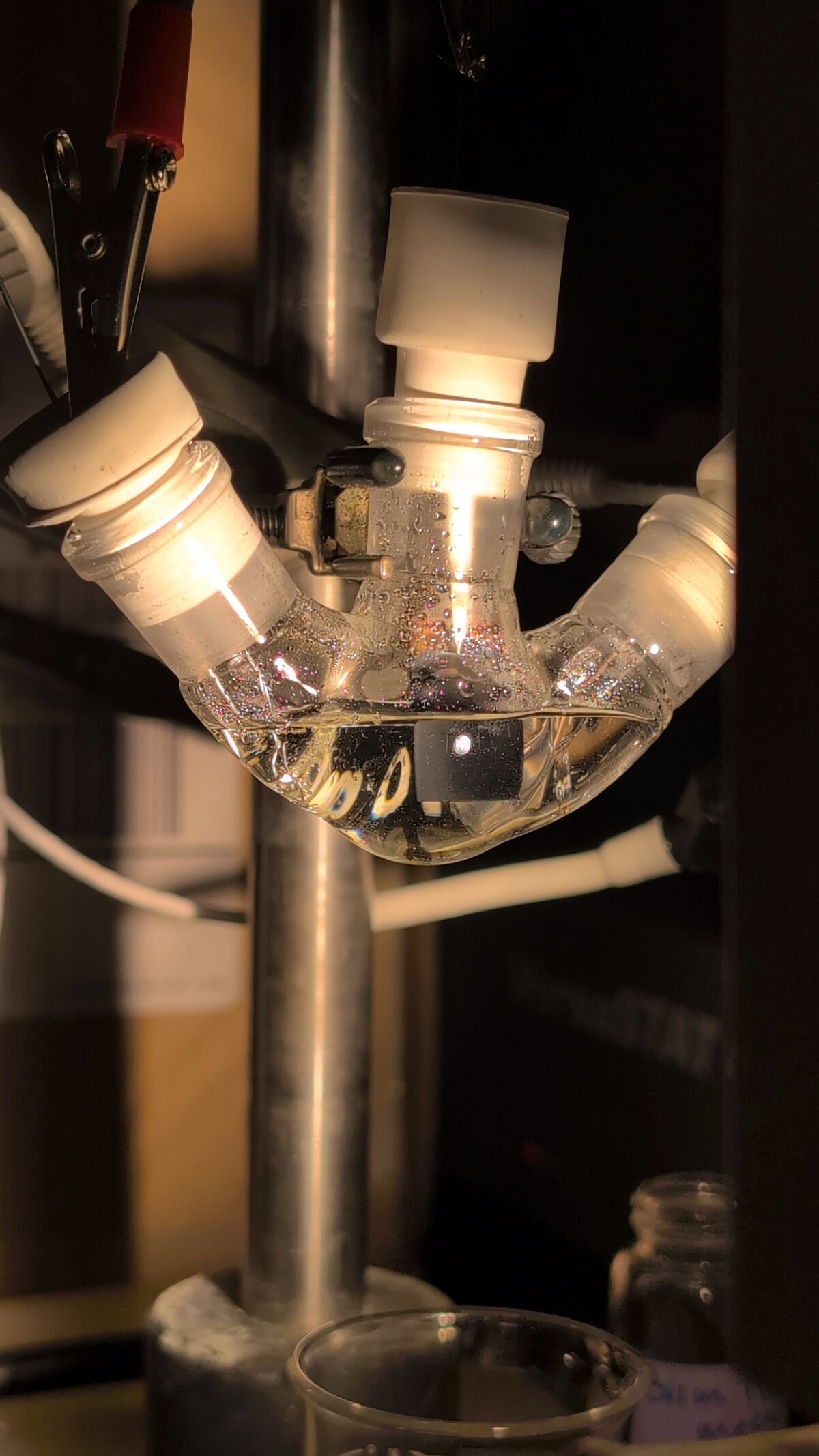
Prof. Gonghu Li’s research group specializes in single-atom catalysts (SACs) used for electrocatalytic and photocatalytic CO2 reduction. The key objective of our project was to combine my expertise in synthesizing high-surface-area titanium dioxide (TiO2) nanotubes with Prof. Li’s expertise in SACs to create a unified, high-performance system. This research mobility was carried out within the framework of the Baltic-American Freedom Foundation (BAFF) Research Scholar Program.
How would you compare research institutions, management, and the general scientific environment between Europe (Latvia) and the US?
Ainārs: Science itself is fundamentally similar everywhere, though the approach and path toward goals can differ. I’ll have to spend time back here to truly appreciate the differences, although a year abroad isn't really enough to experience deeper bureaucracy, which can vary institution to institution.
Overall, I sensed a somewhat greater feeling of freedom in the US – provided funding is secured. I appreciated how the lab organized work and trained new students. While Latvia follows a similar path, there are practical onboarding elements we could adopt. On the flip side, Latvia places a stronger emphasis on early independence.
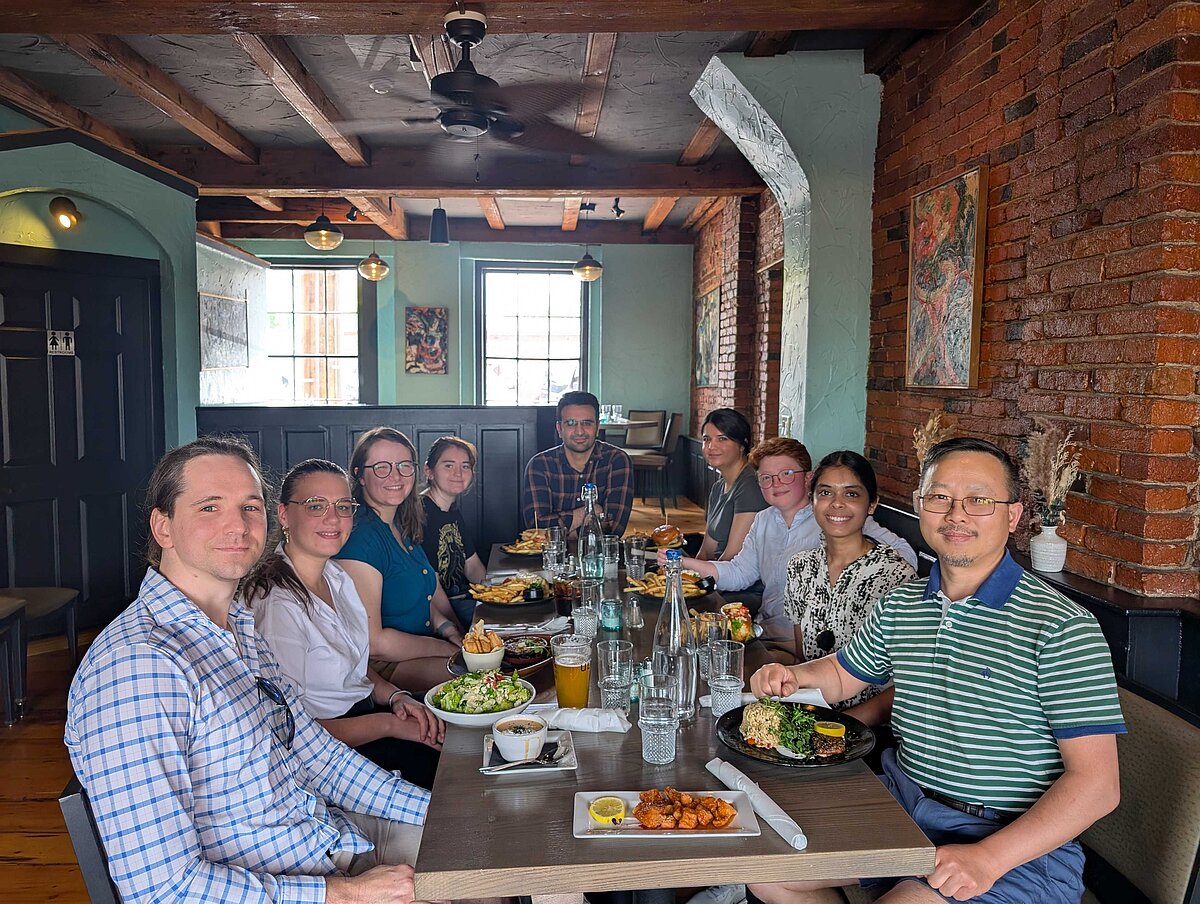
The lab prioritized team cohesion through regular group lunches hosted by Prof. Li. While ISSP UL offers institutional teambuilding activities, smaller initiatives within research groups really strengthen unity.
The lab placed immense focus on quality in both data and experiment execution. Having all necessary equipment under one roof streamlines the workflow, though high standards matter more than having the absolute latest gear.
The university's PhD program closely aligns academic requirements with real-world scientific demands (project proposal writing, publishing, and presentations), effectively preparing young scientists for the career ahead.
What is the most valuable insight or takeaway you gained from this experience?
Ainārs: Two primary things stand out.
First, the world is both larger and smaller than we think. Larger because there are countless complex problems that require fresh perspectives and multidimensional approaches. Smaller because everywhere you go, institutions are run by people with the same human challenges – meaning any system's effectiveness relies entirely on individual motivation, efficiency, and drive.
Second, ‘less, but better’. Focusing on quality over quantity is crucial in research.
All in all, it reminded me that we’re a bit too dour here in Latvia. We should take greater pride in our achievements, regardless of what each of us is doing. Together, we can accomplish great things!
I’m truly grateful for this experience – I was given the opportunity to work with fantastic professionals and grow my expertise in catalysis and CO2 reduction.
