
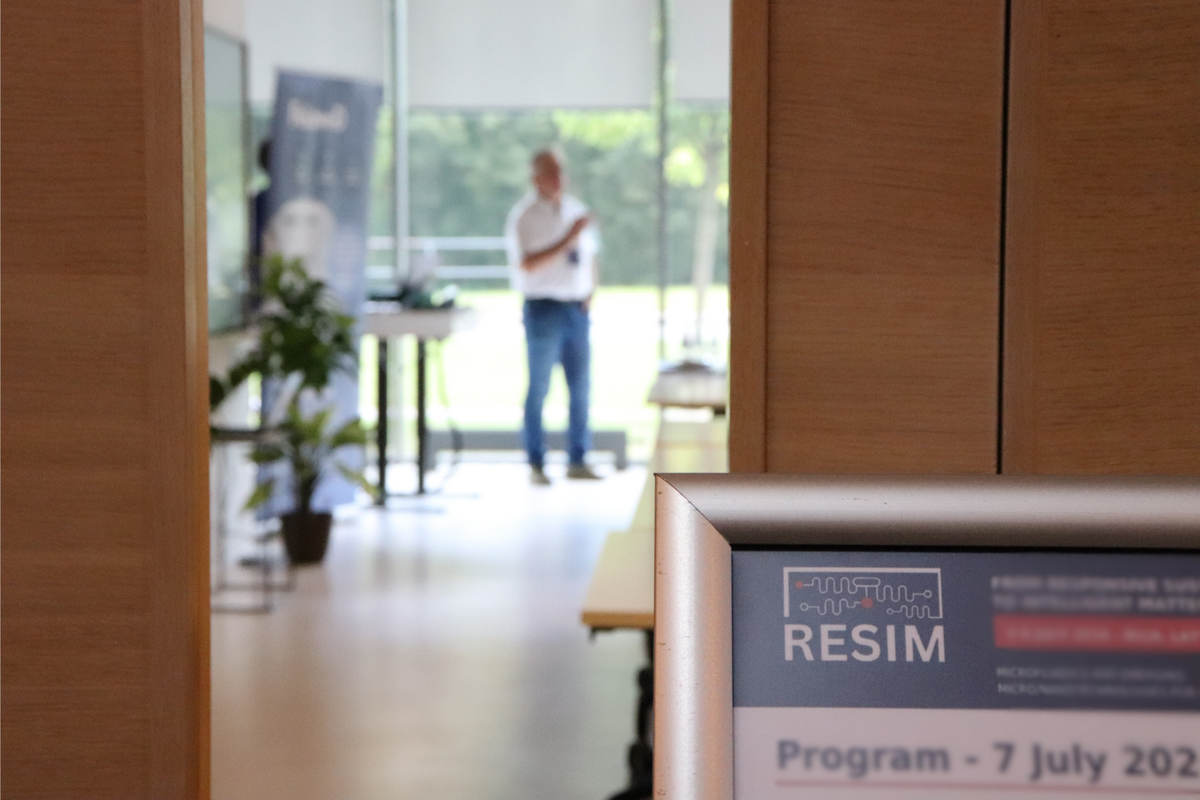
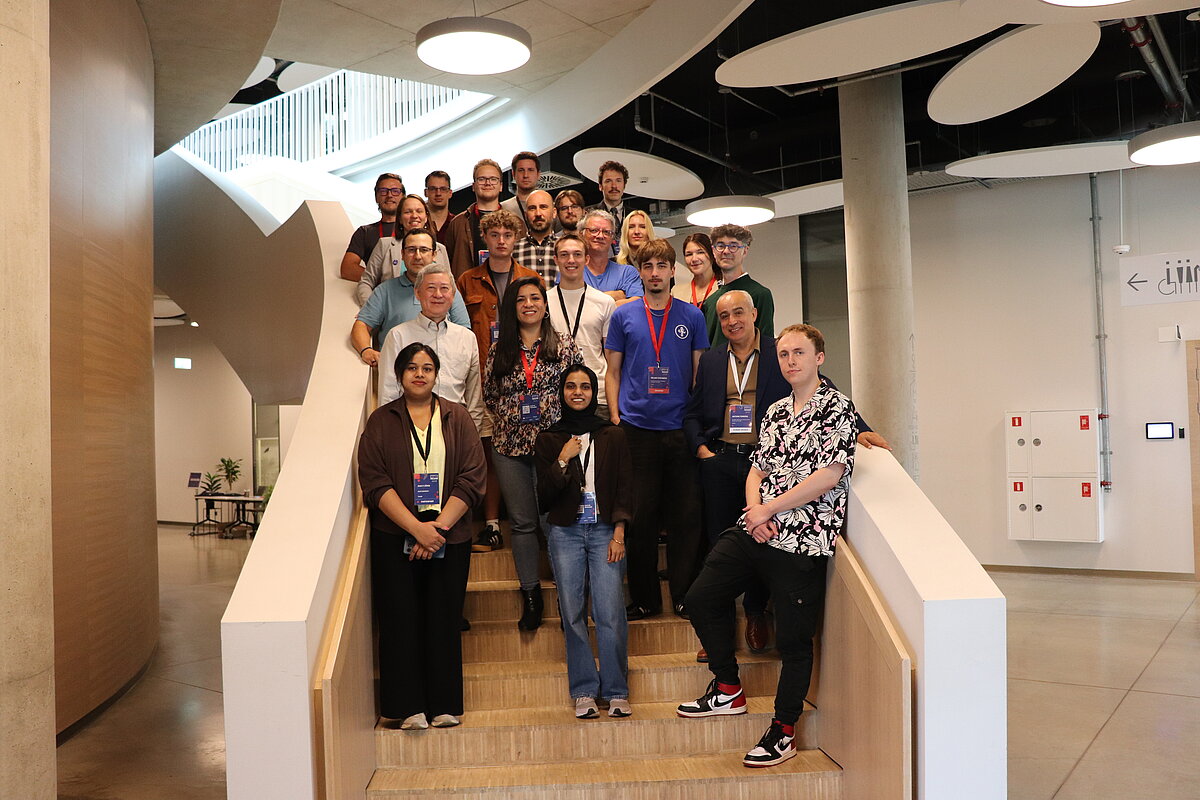
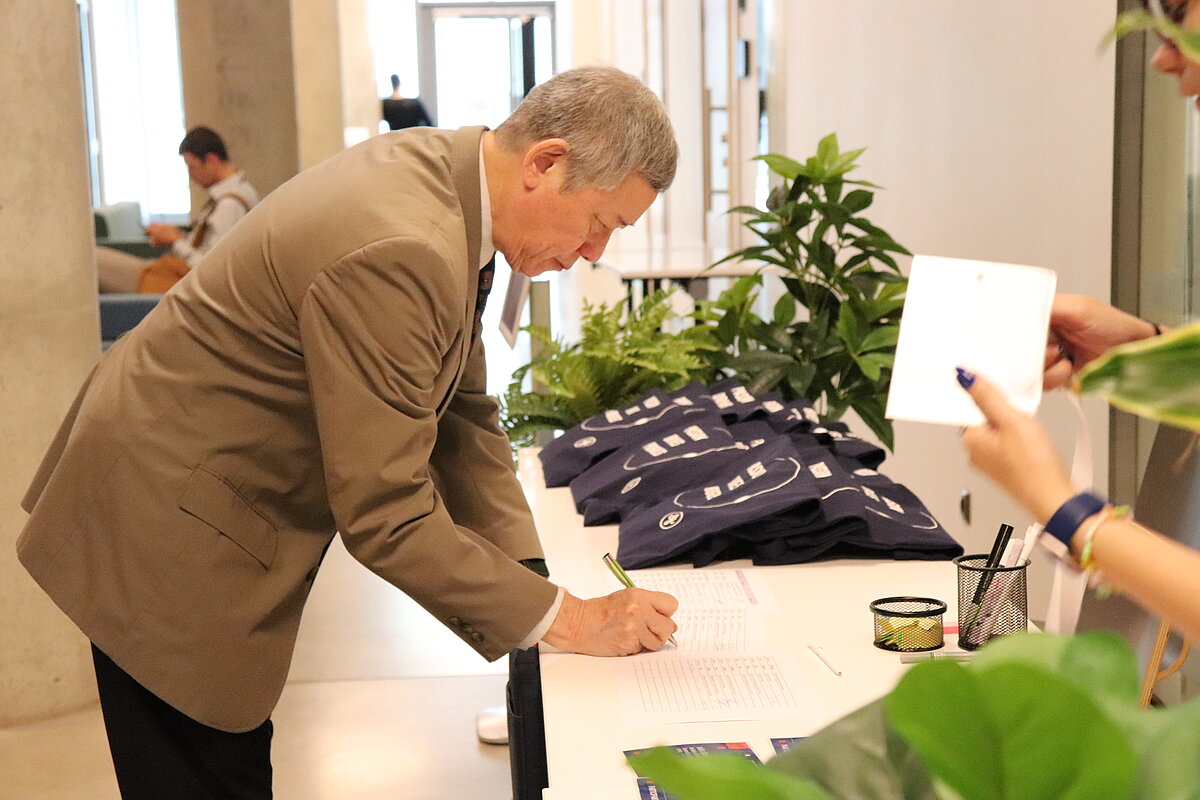
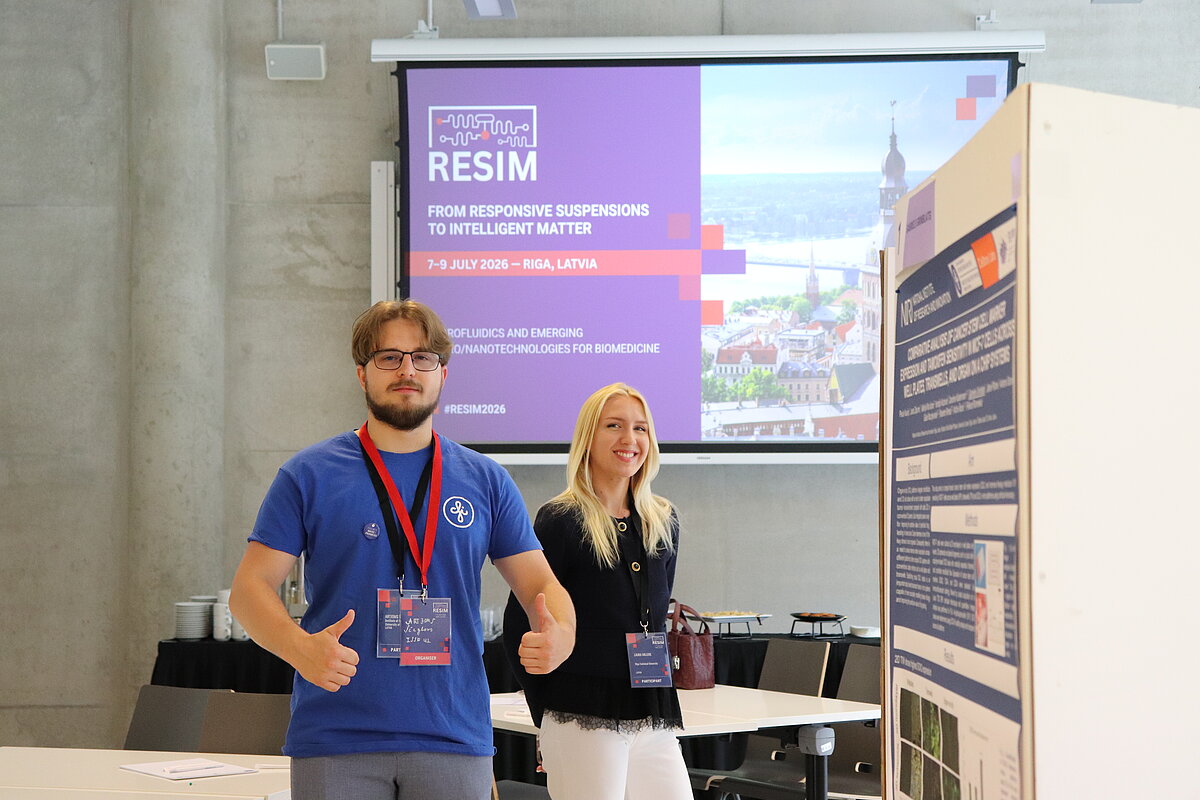
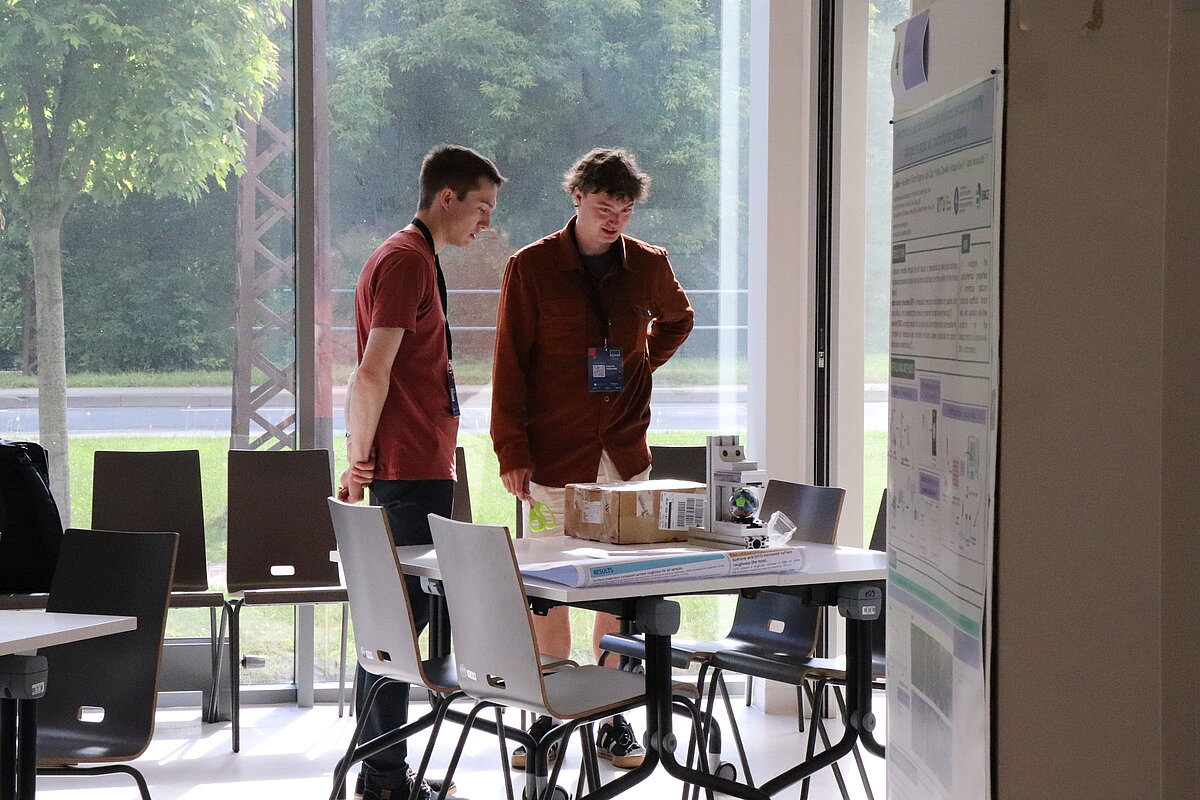
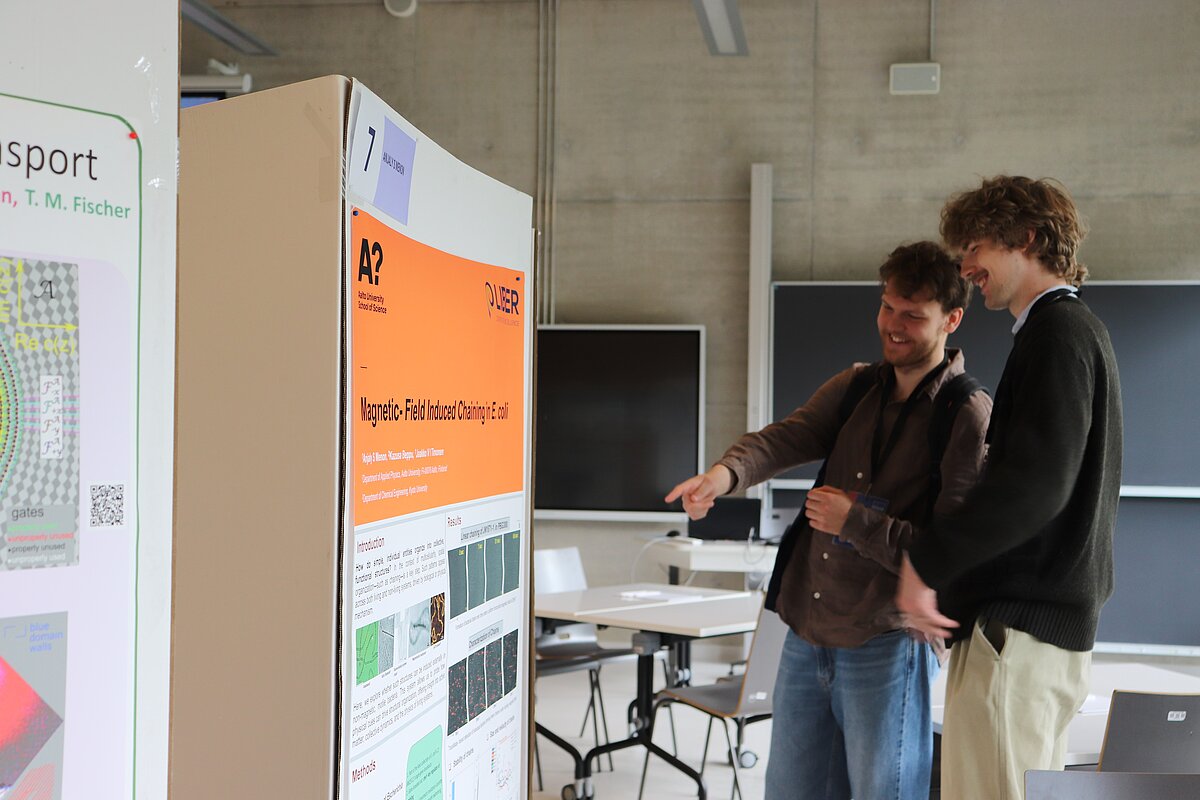
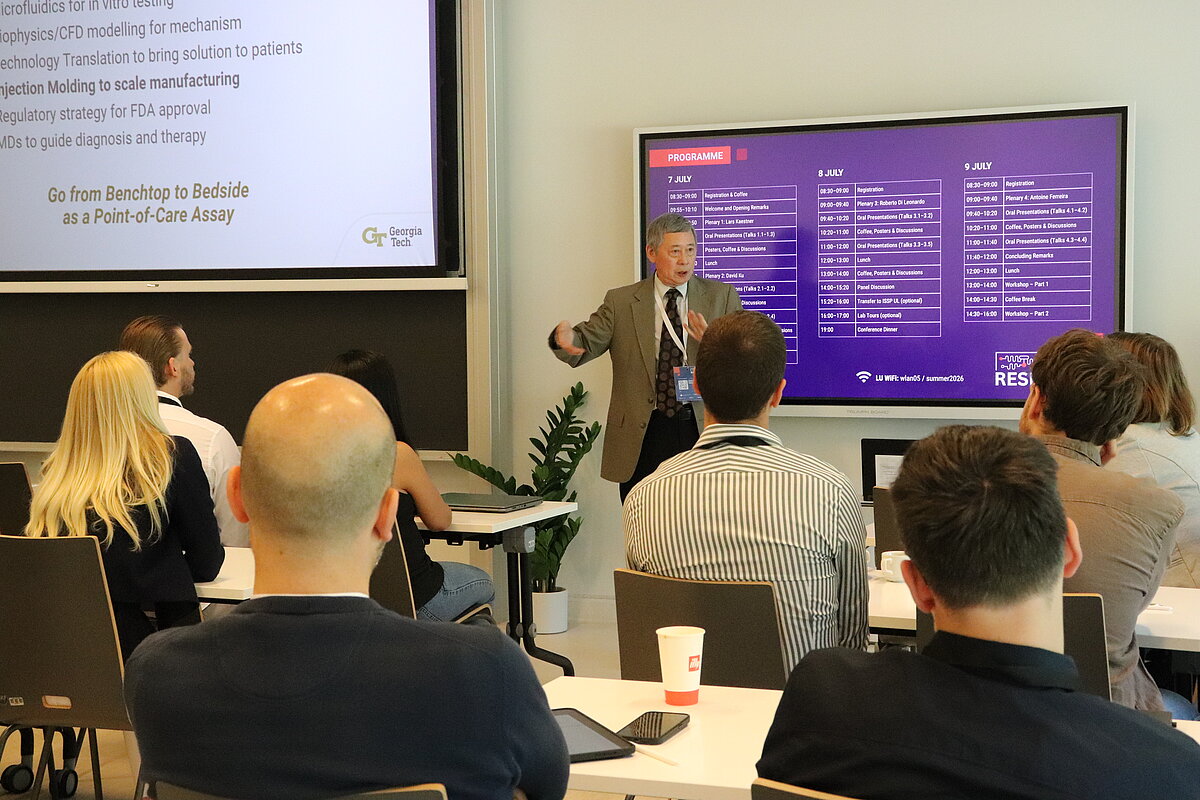
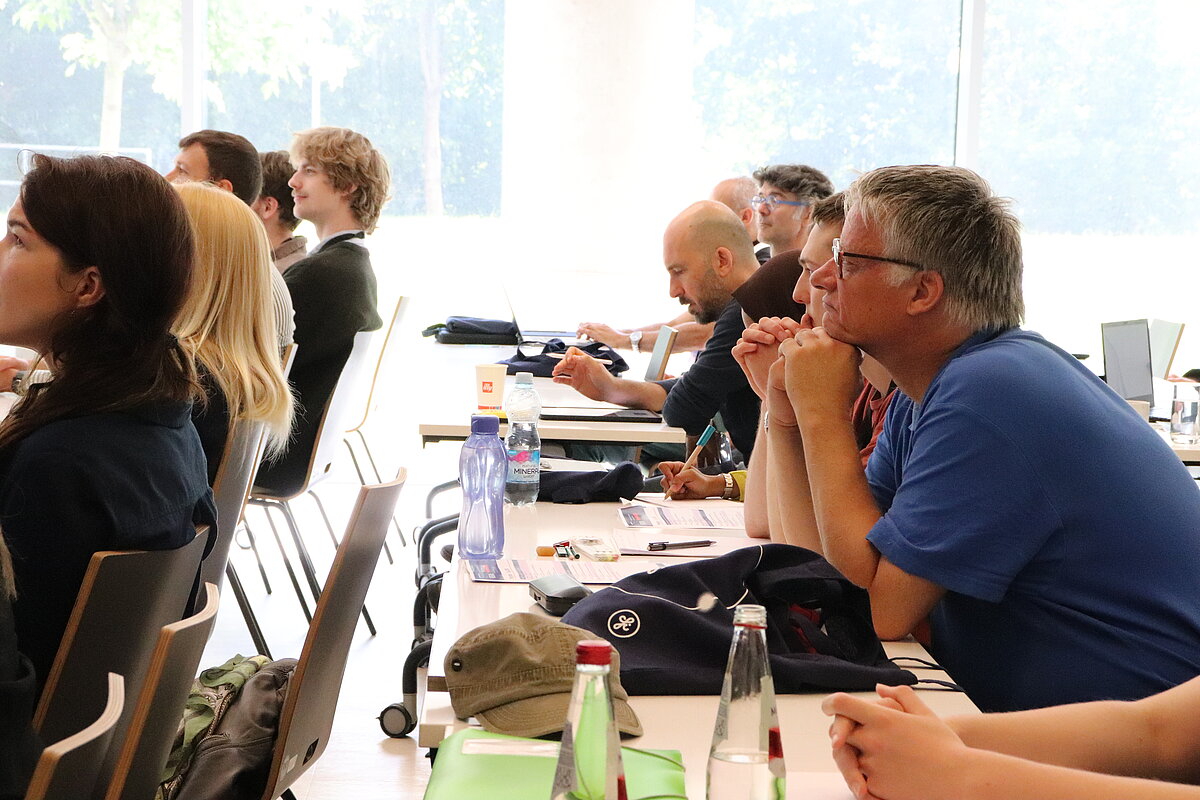
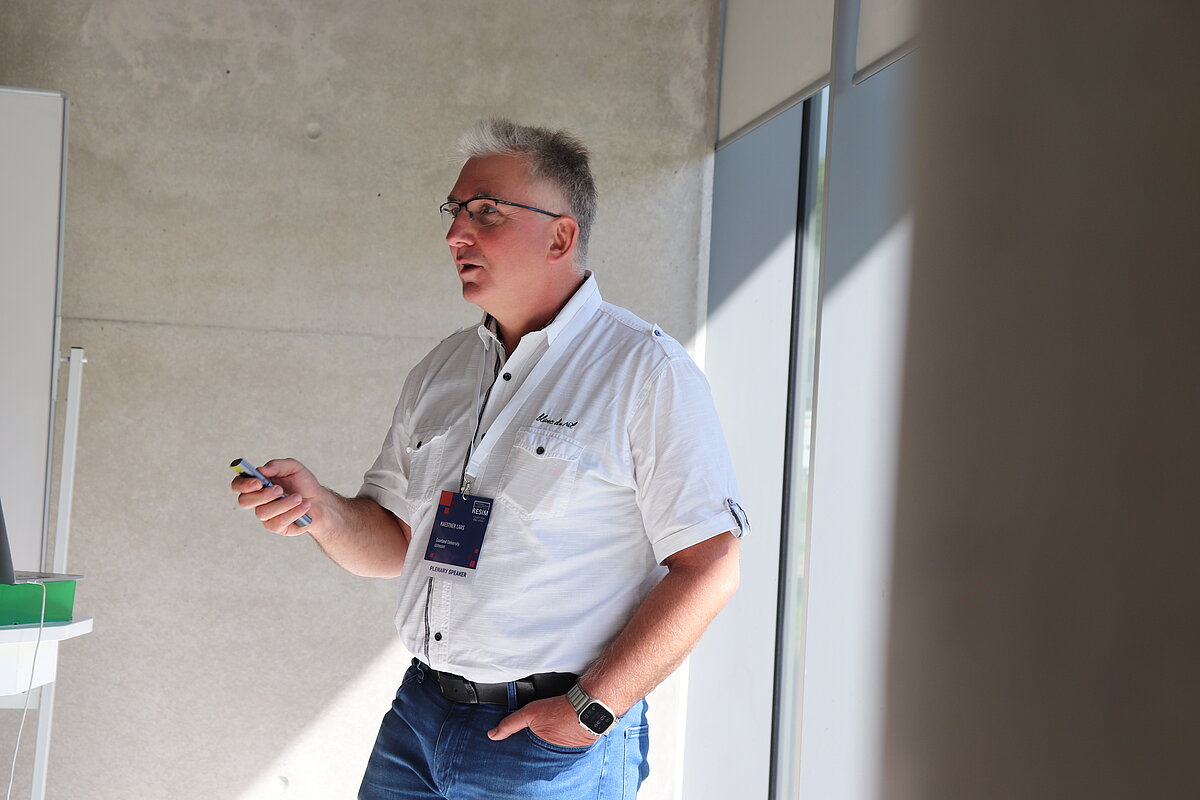
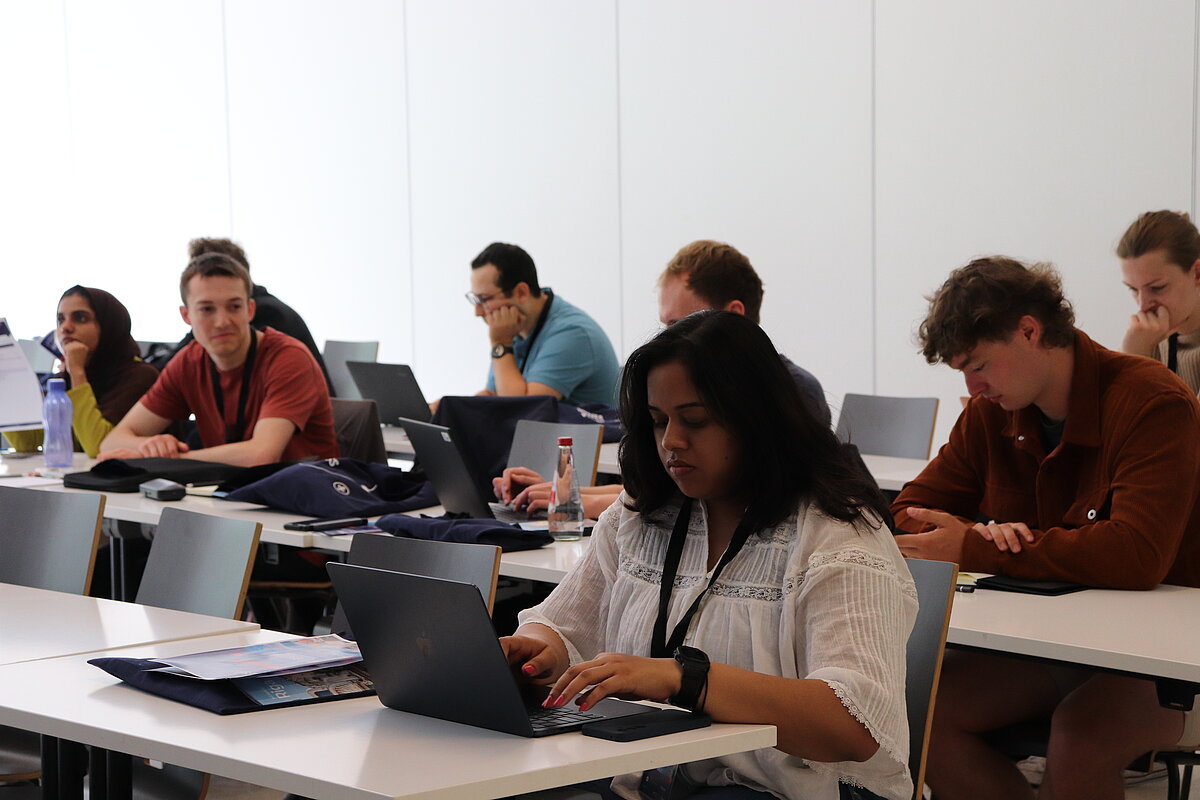
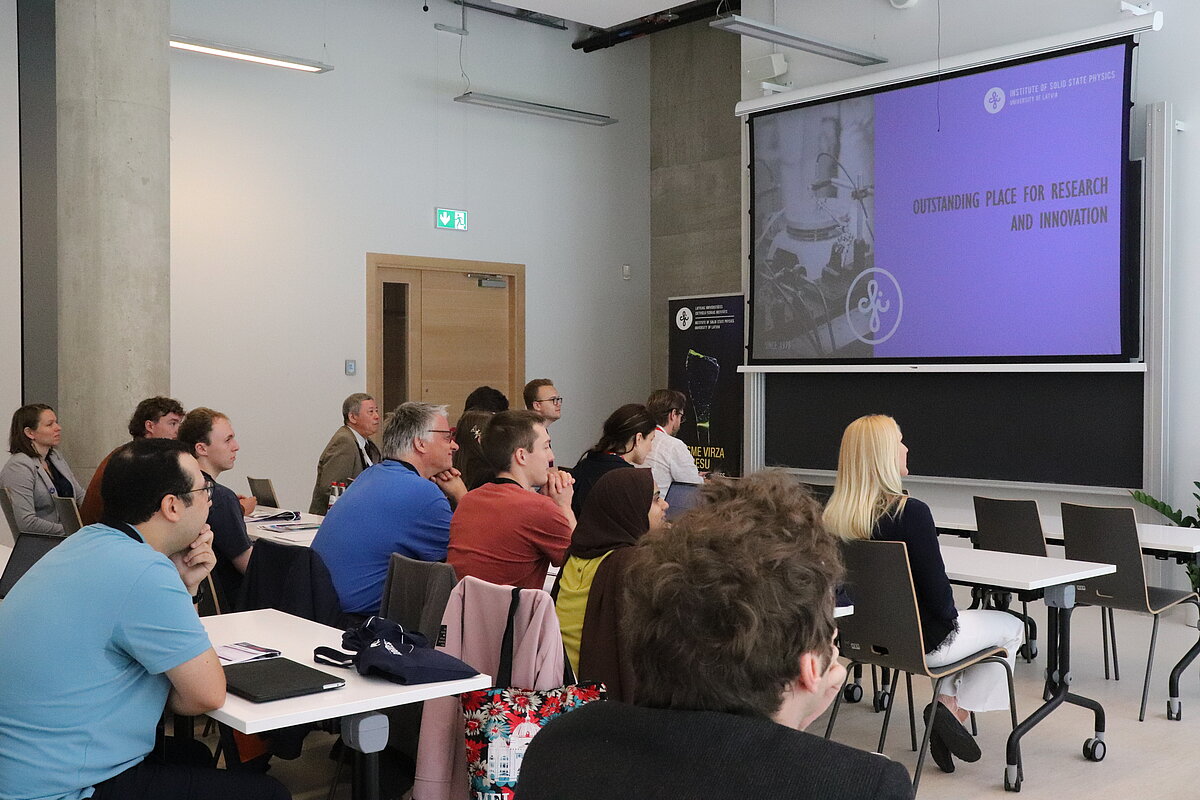
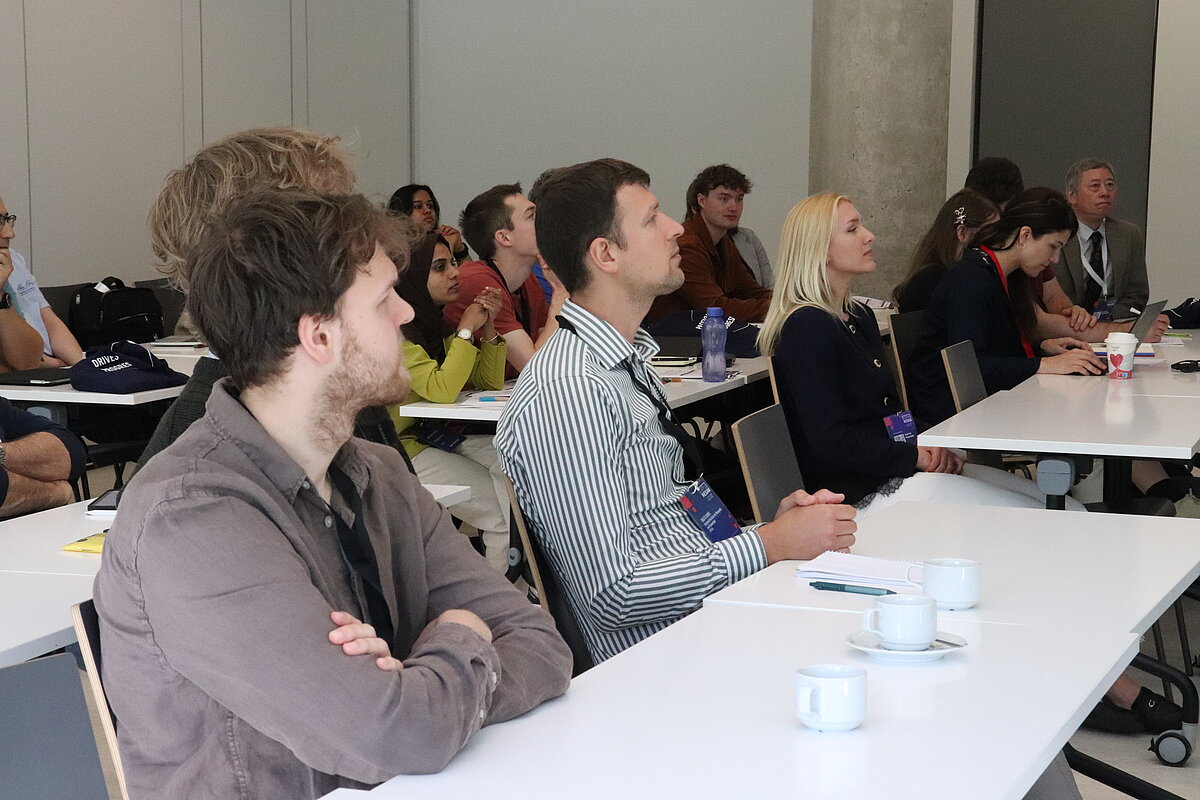
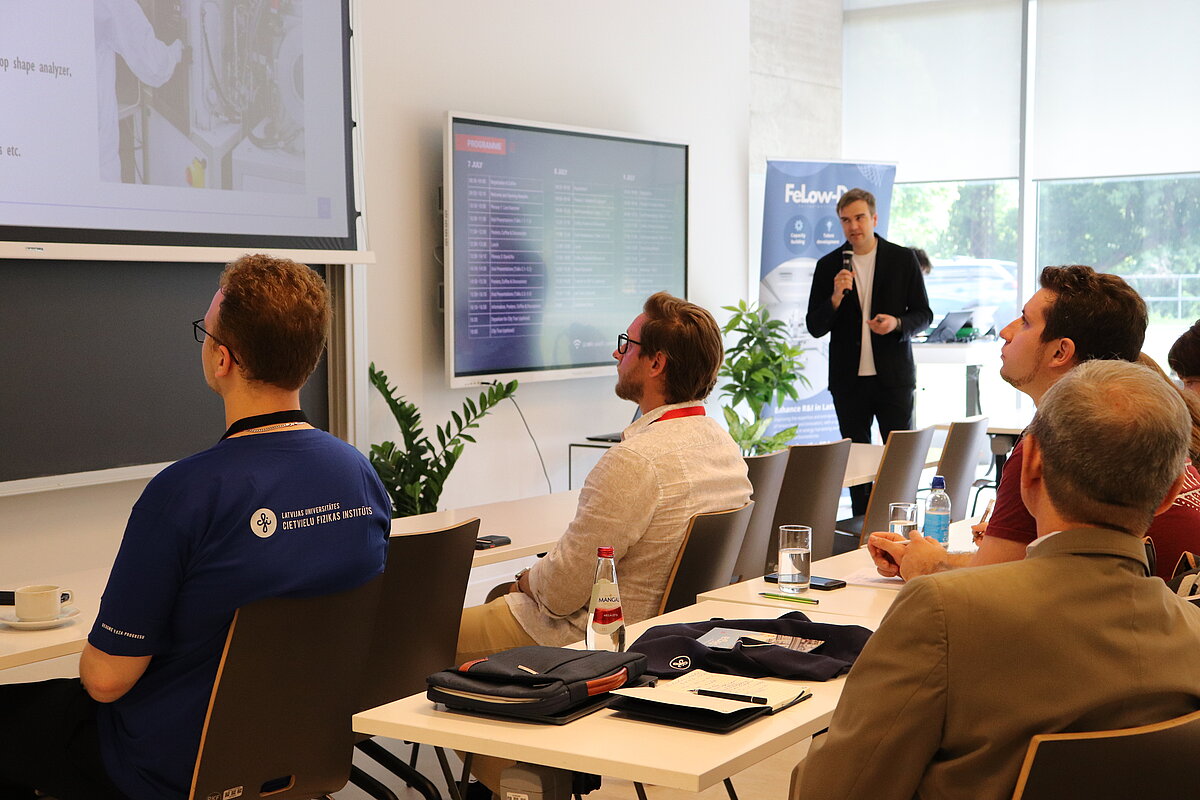
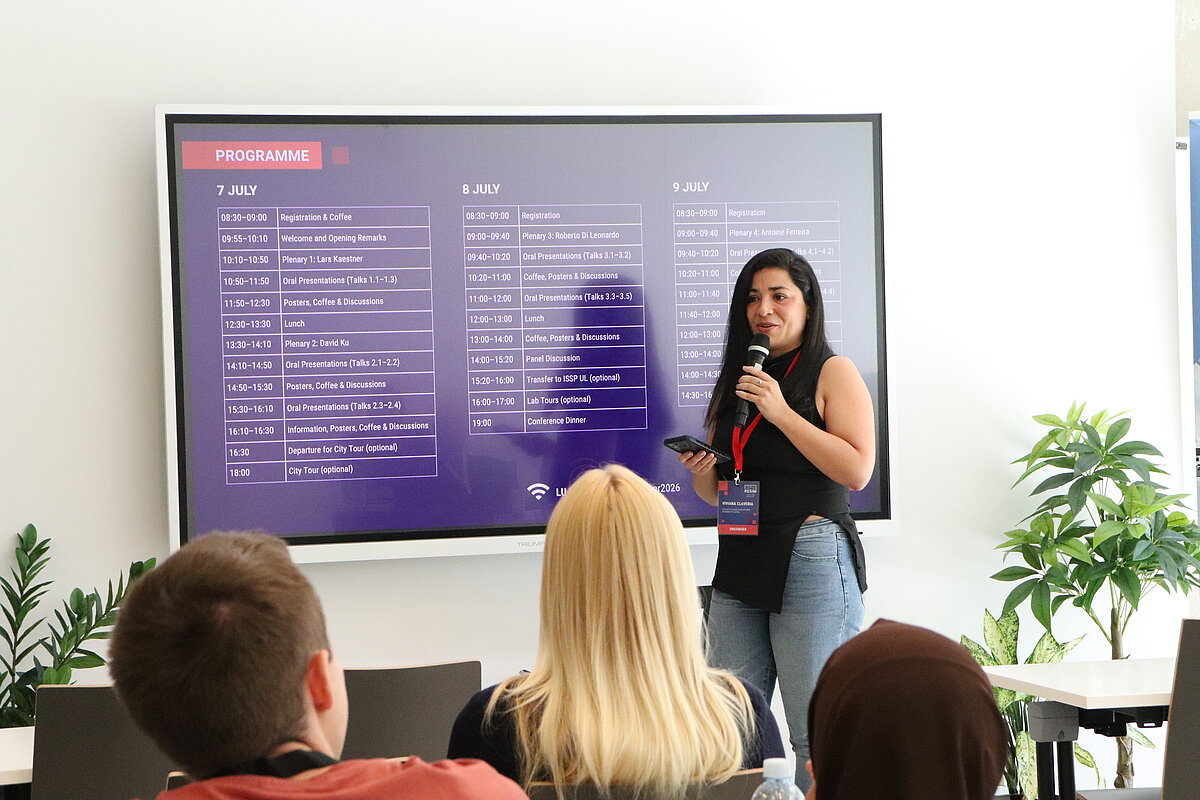
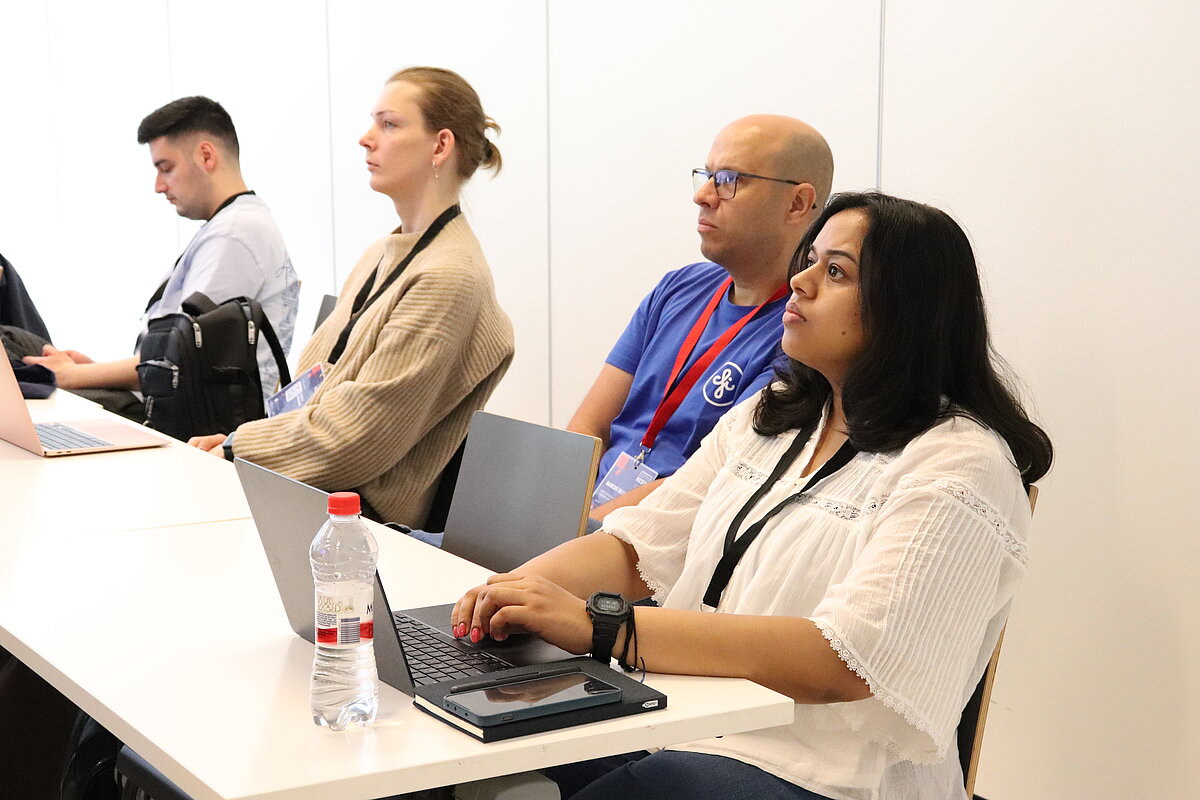
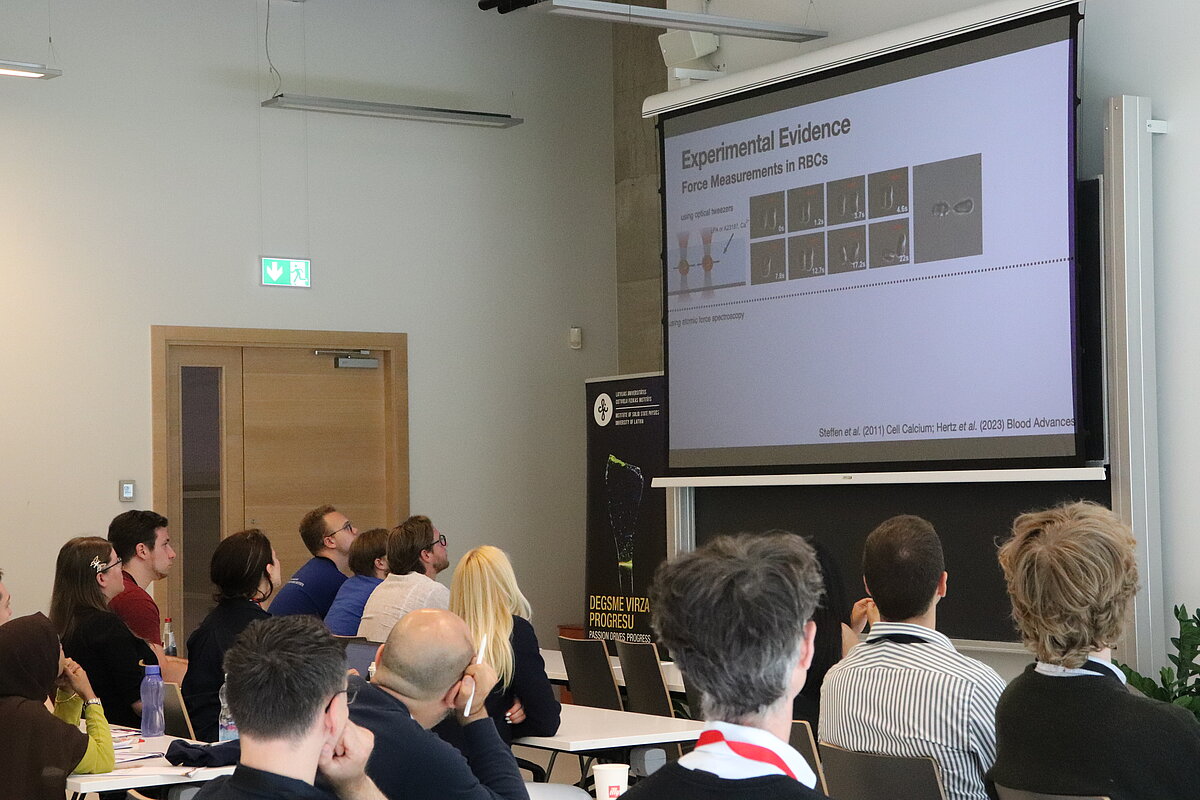
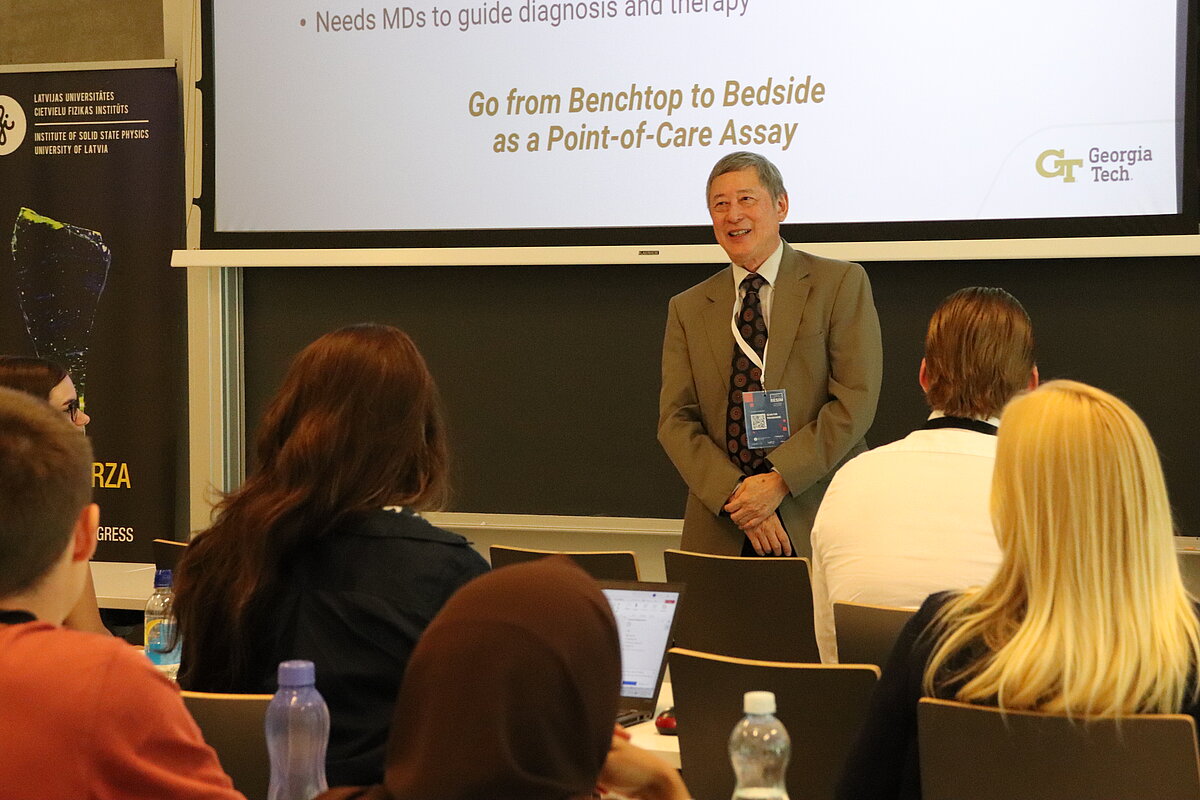
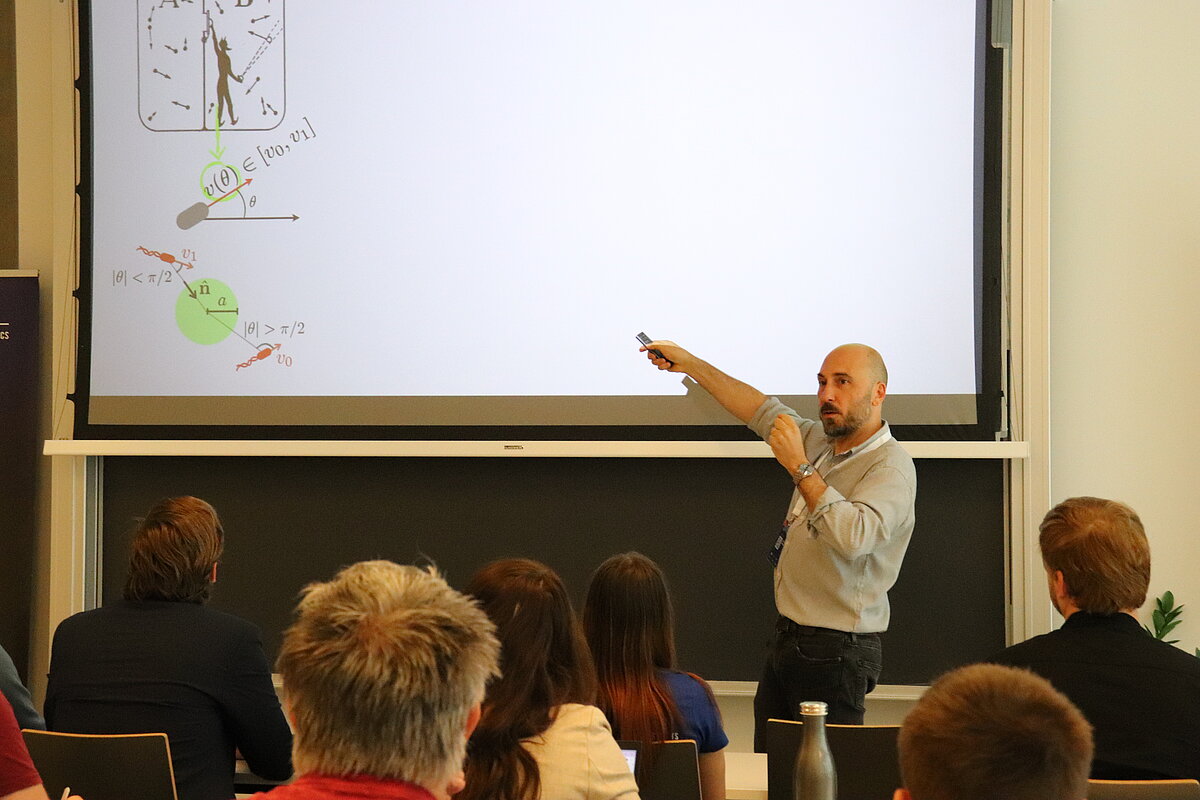
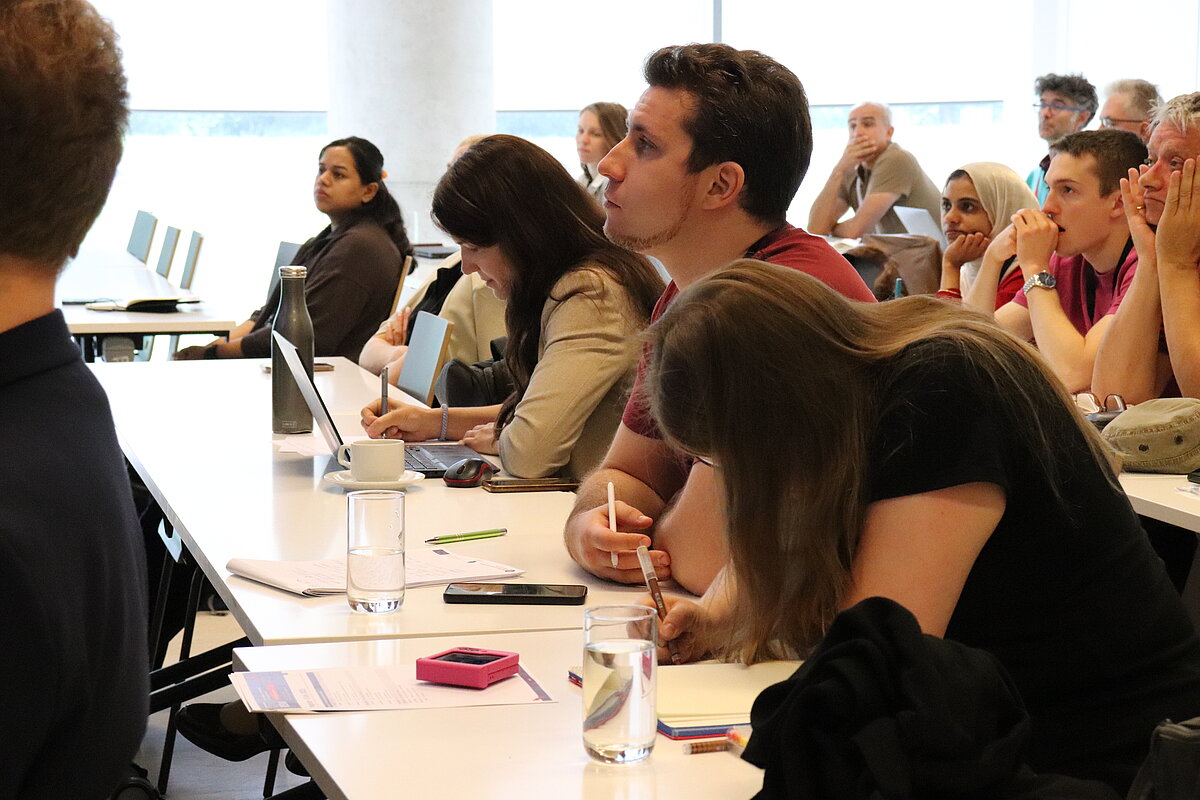
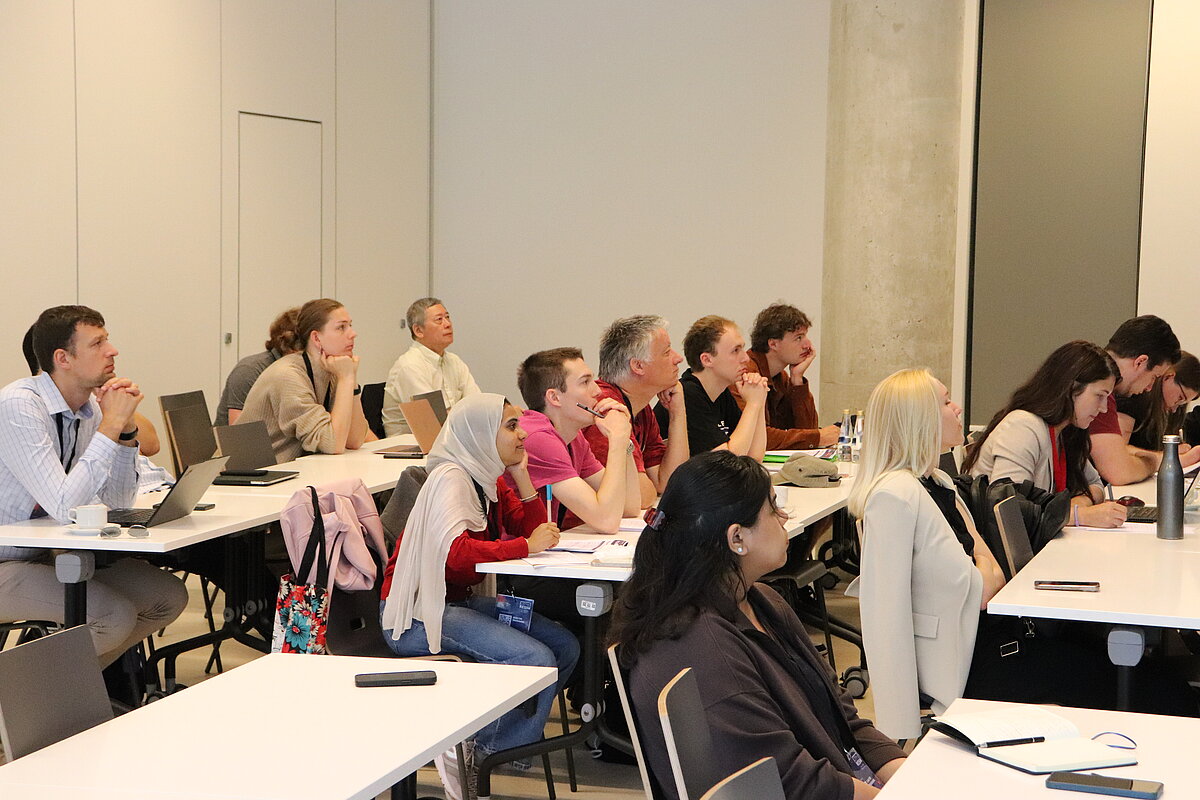
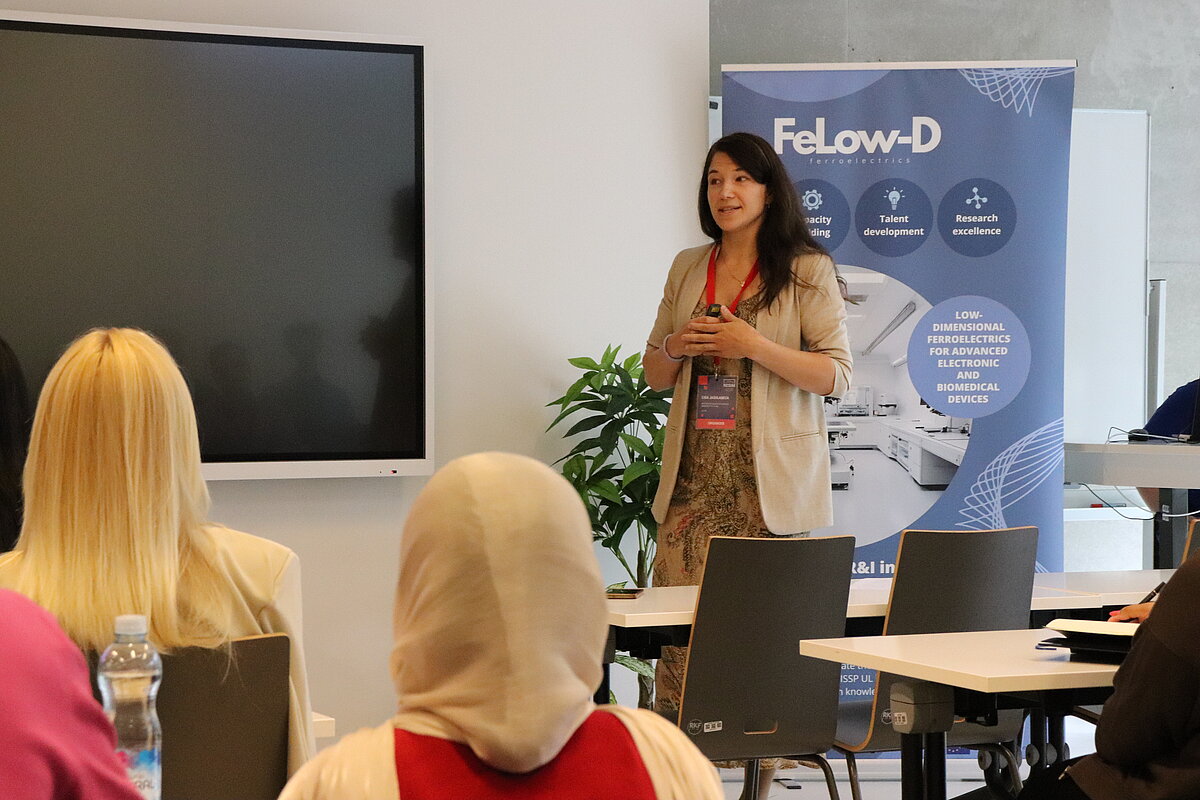
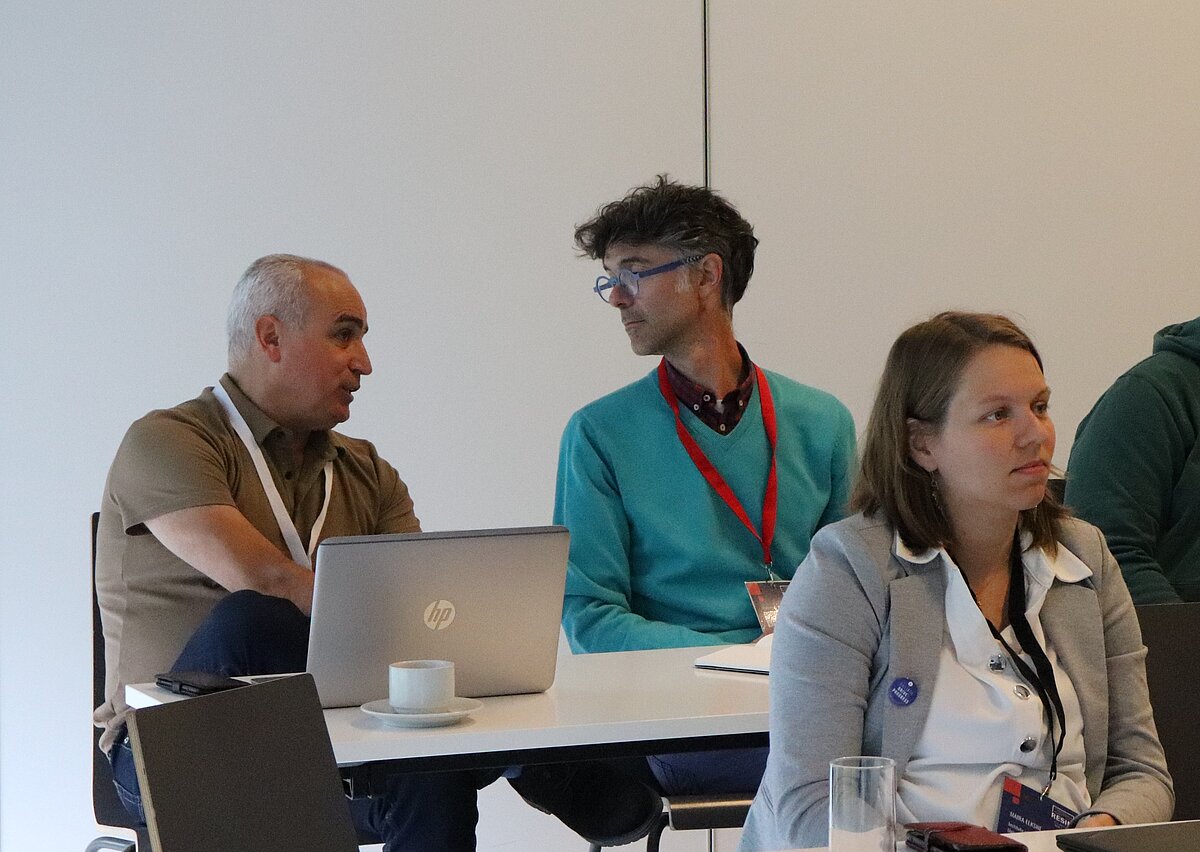
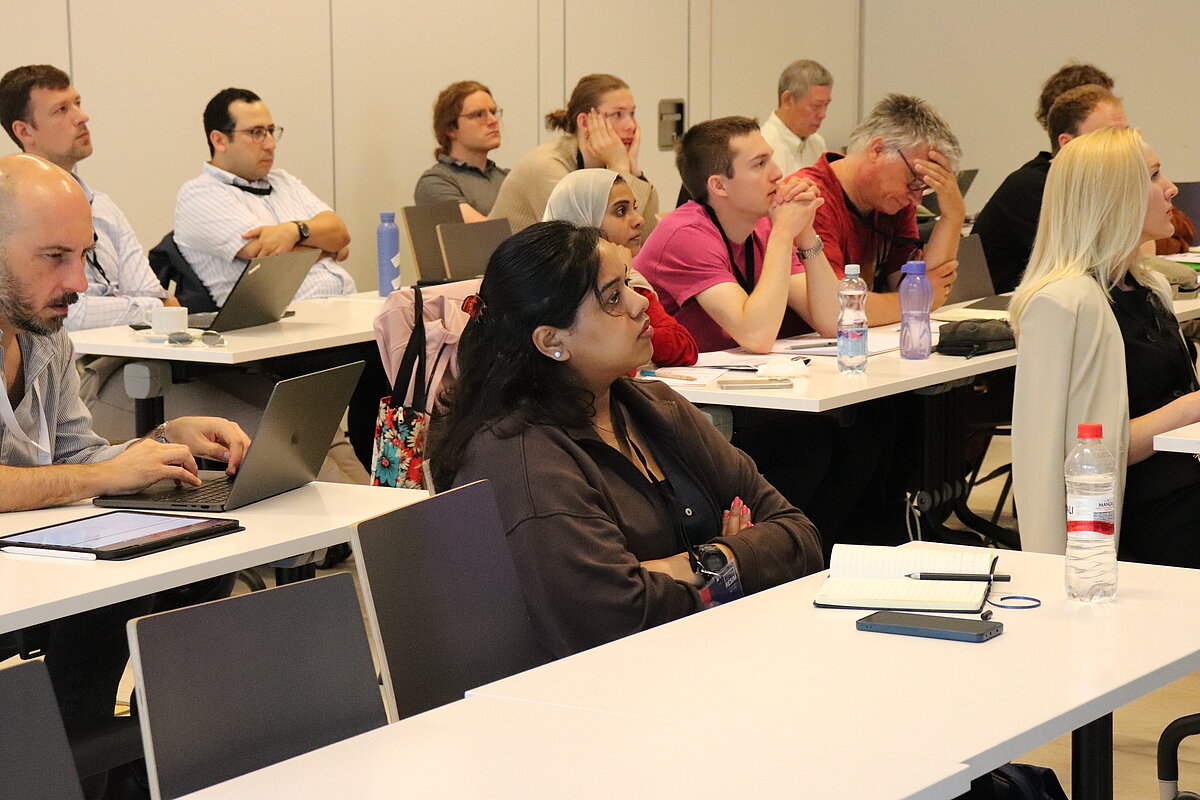
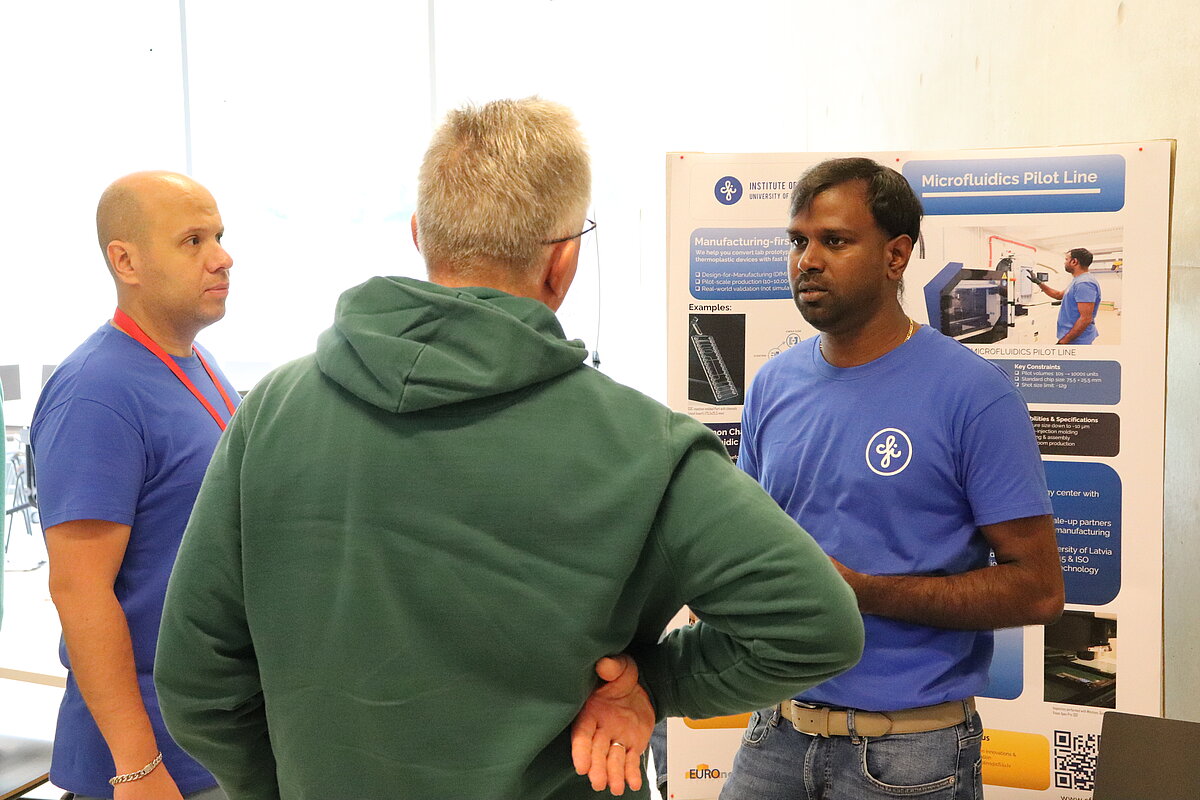
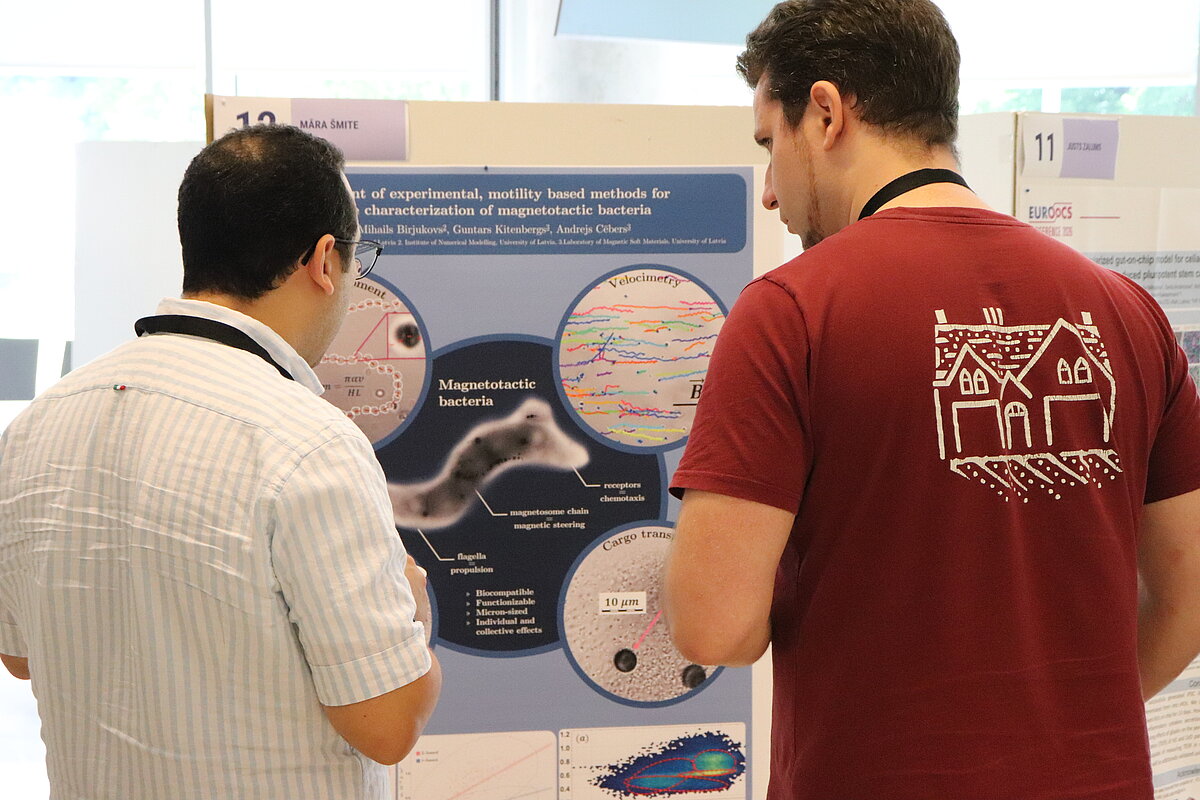
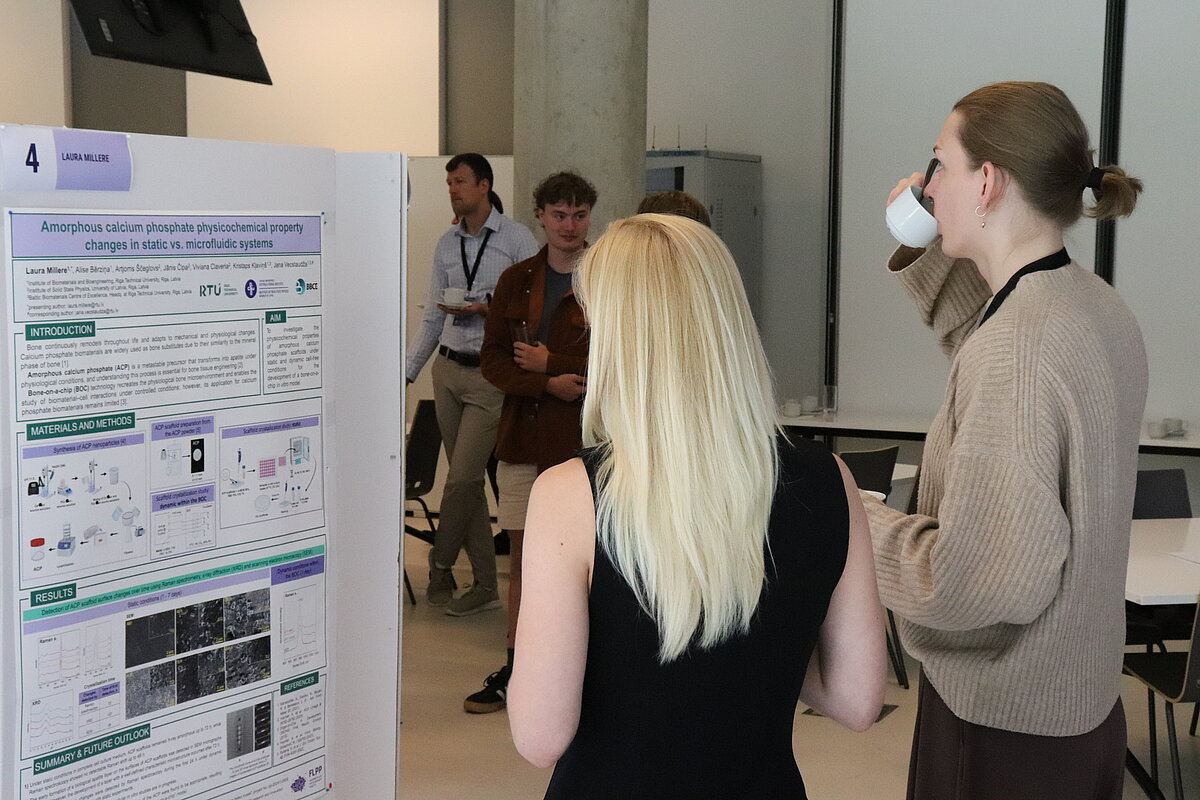
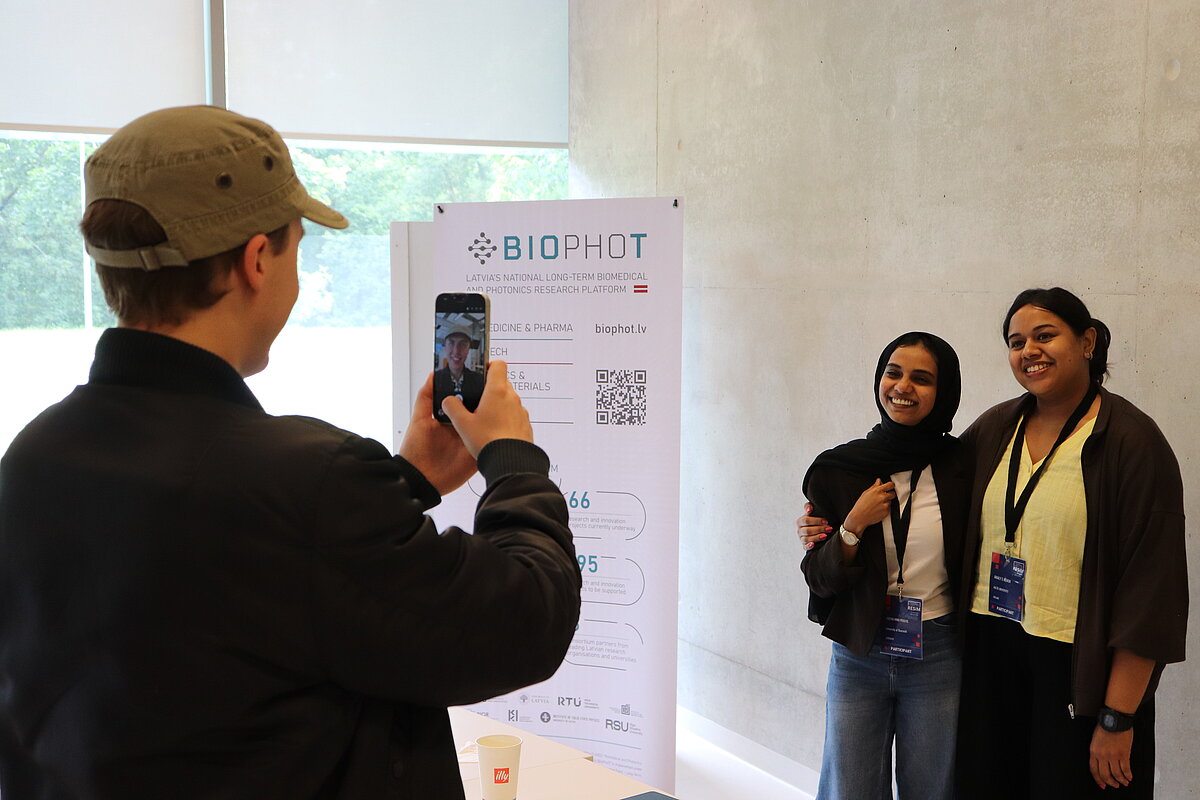
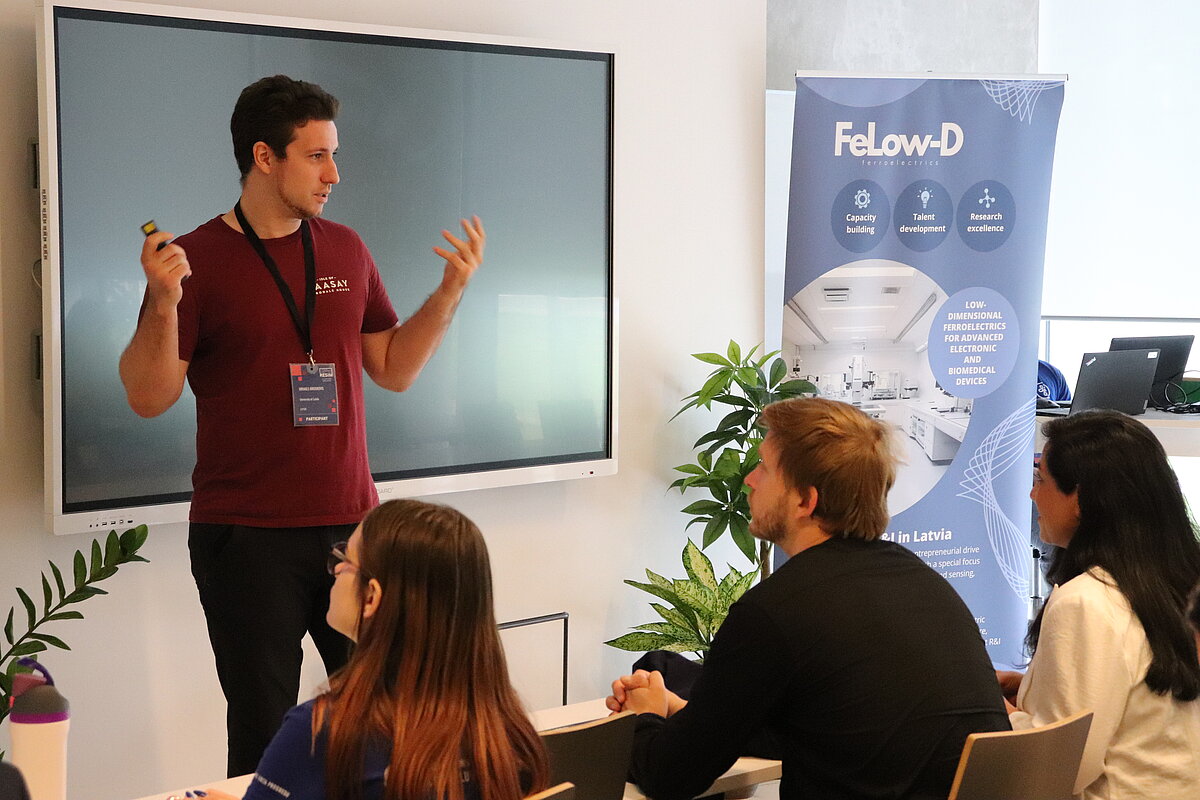
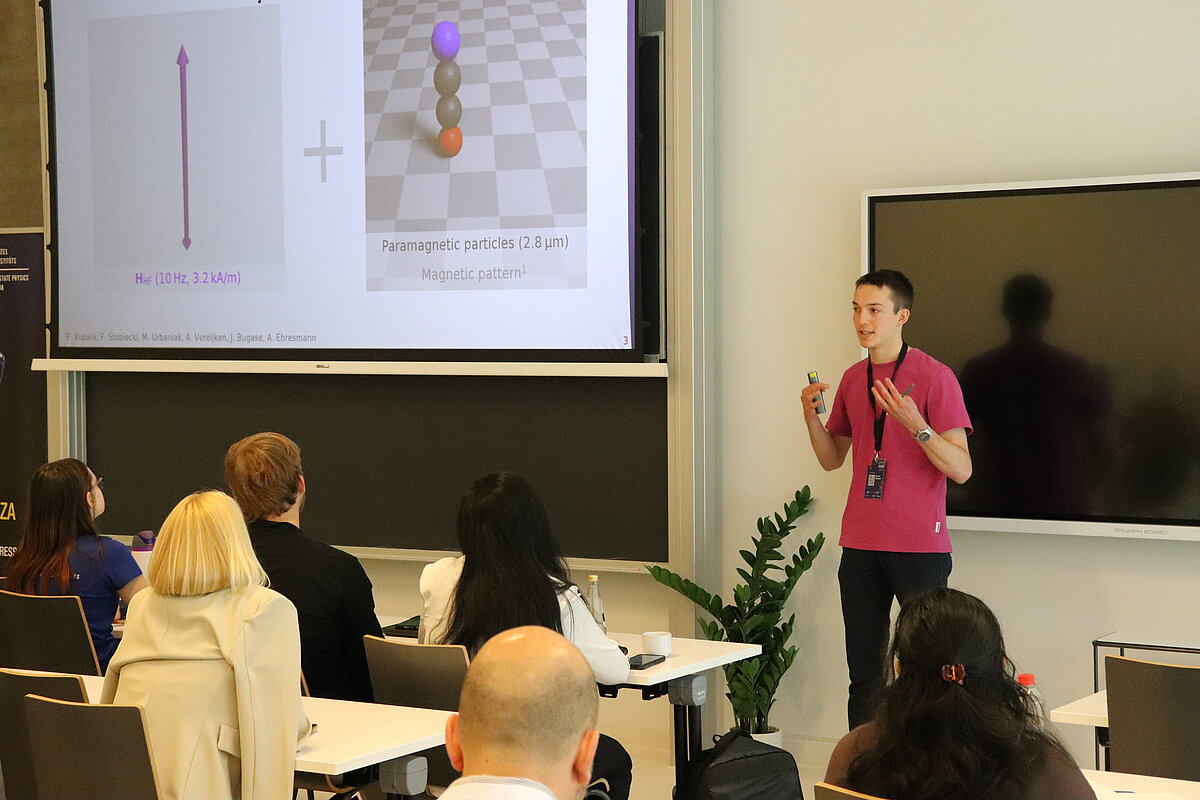
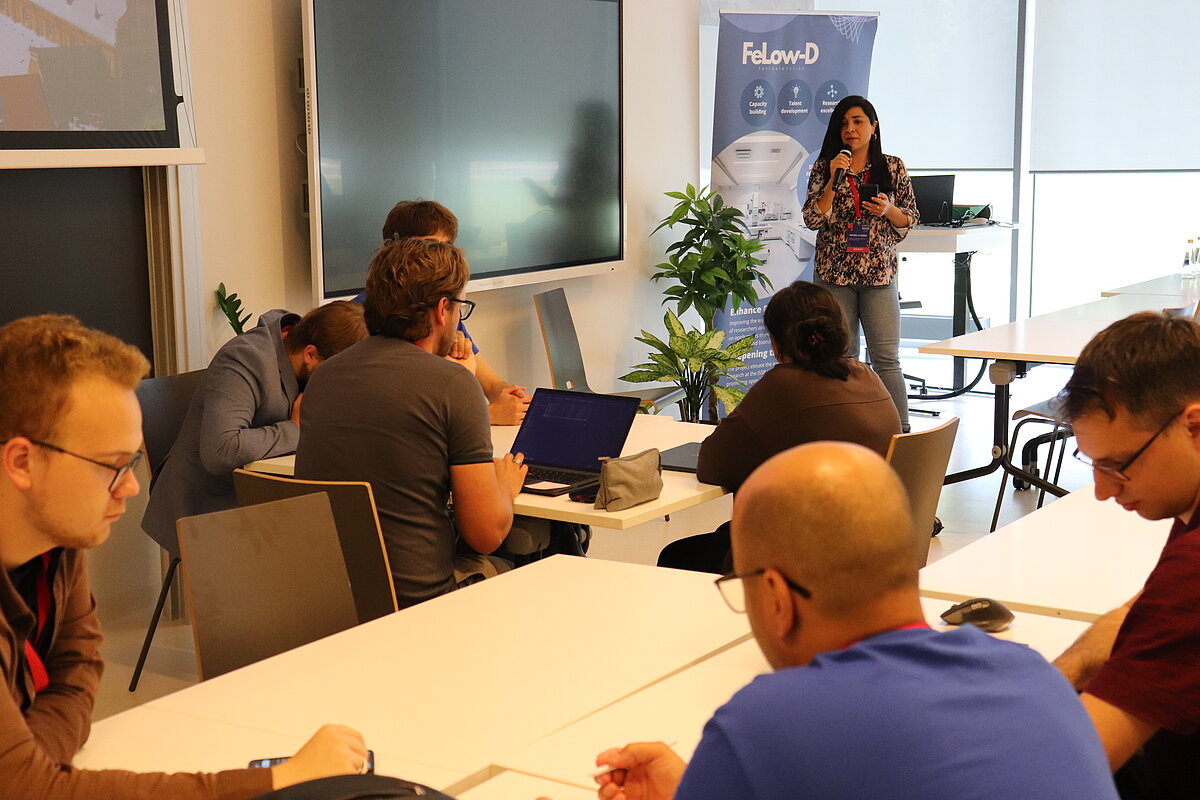
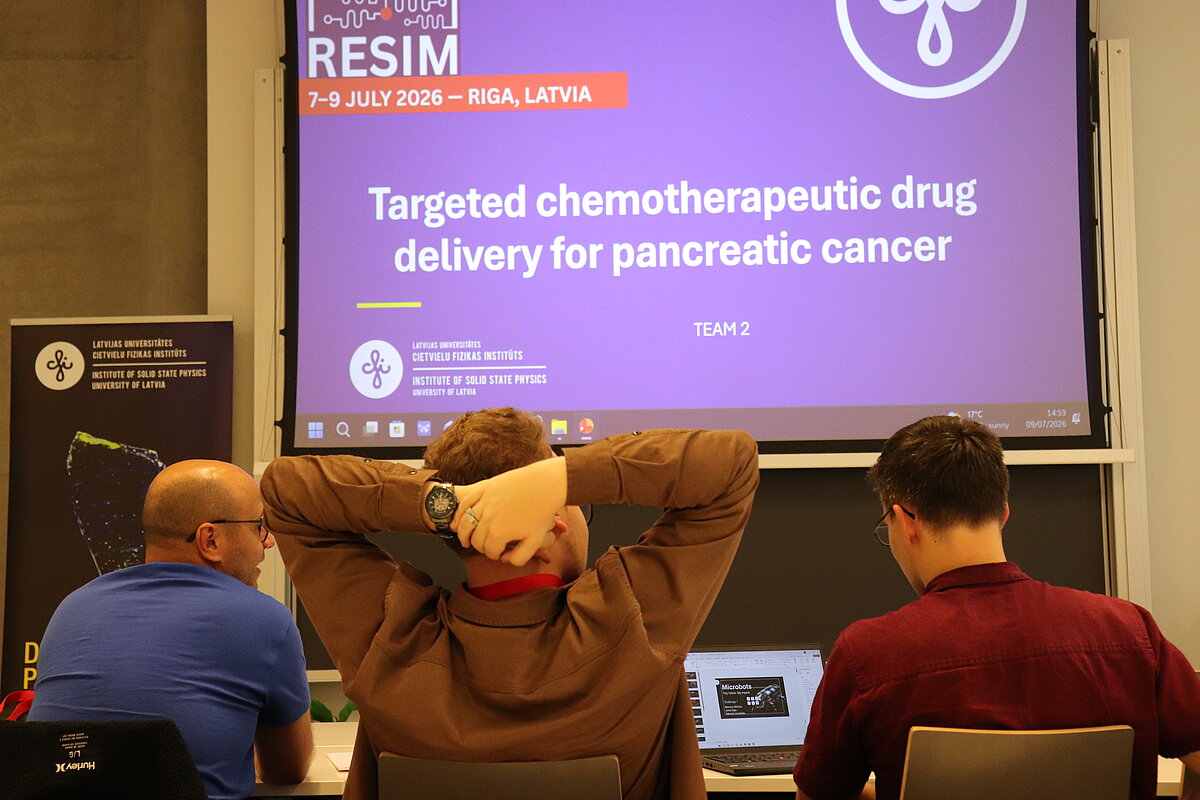
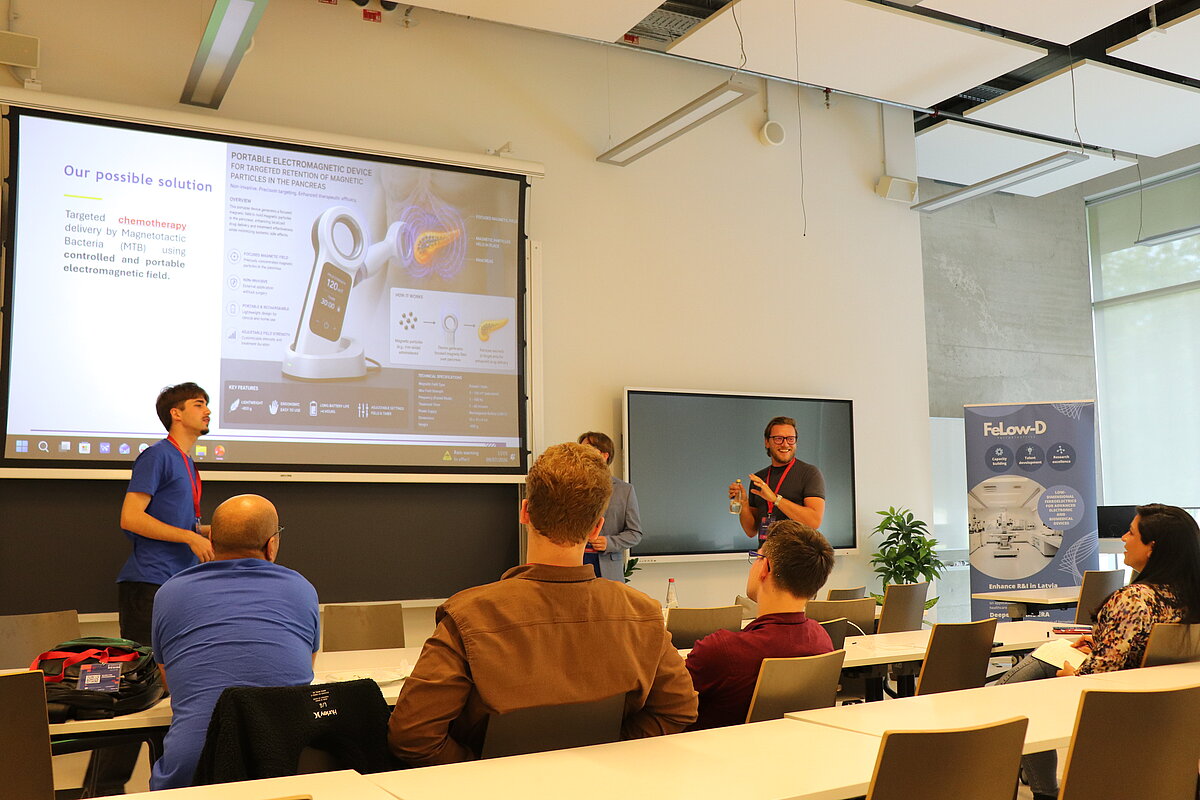
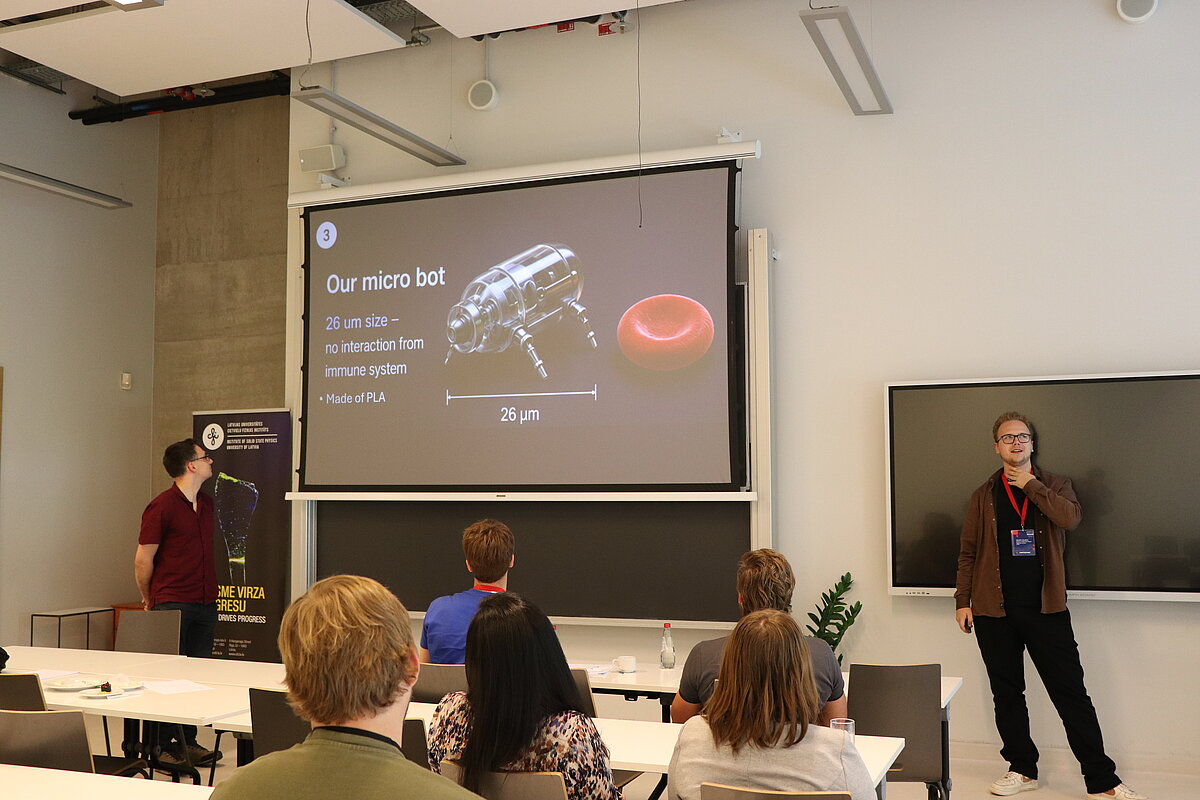
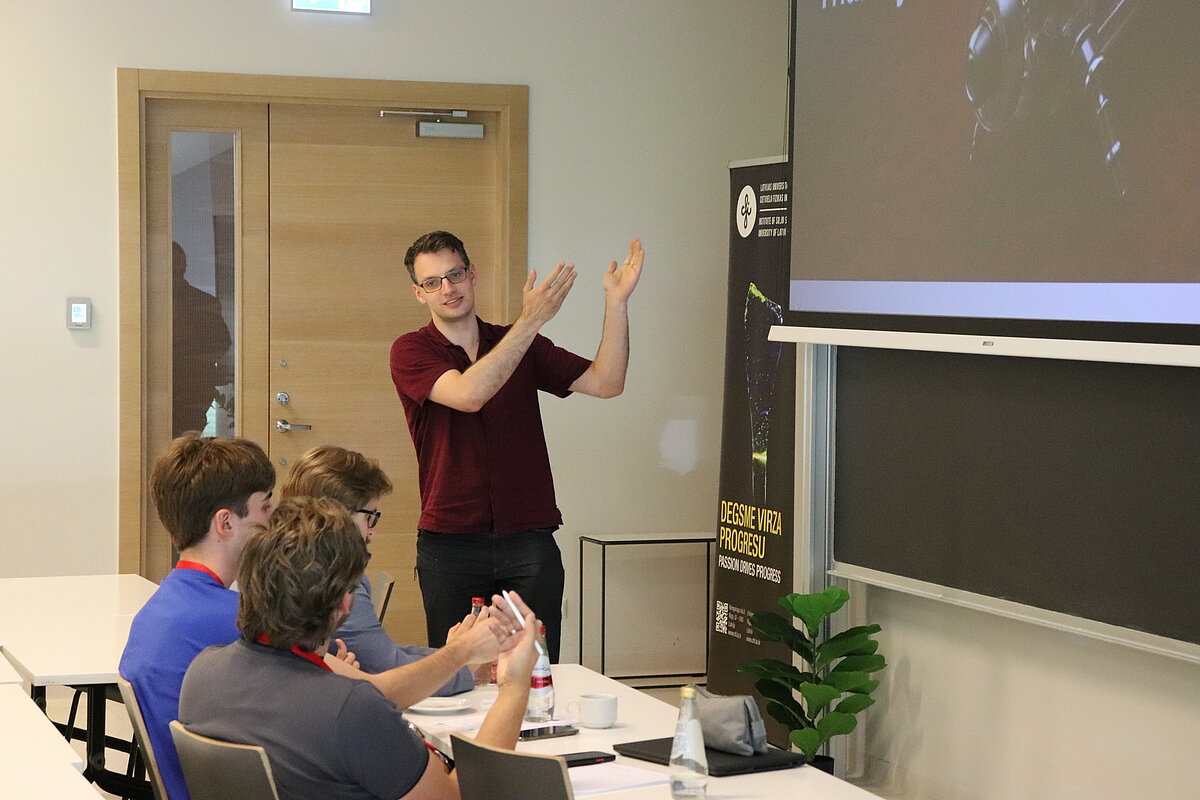
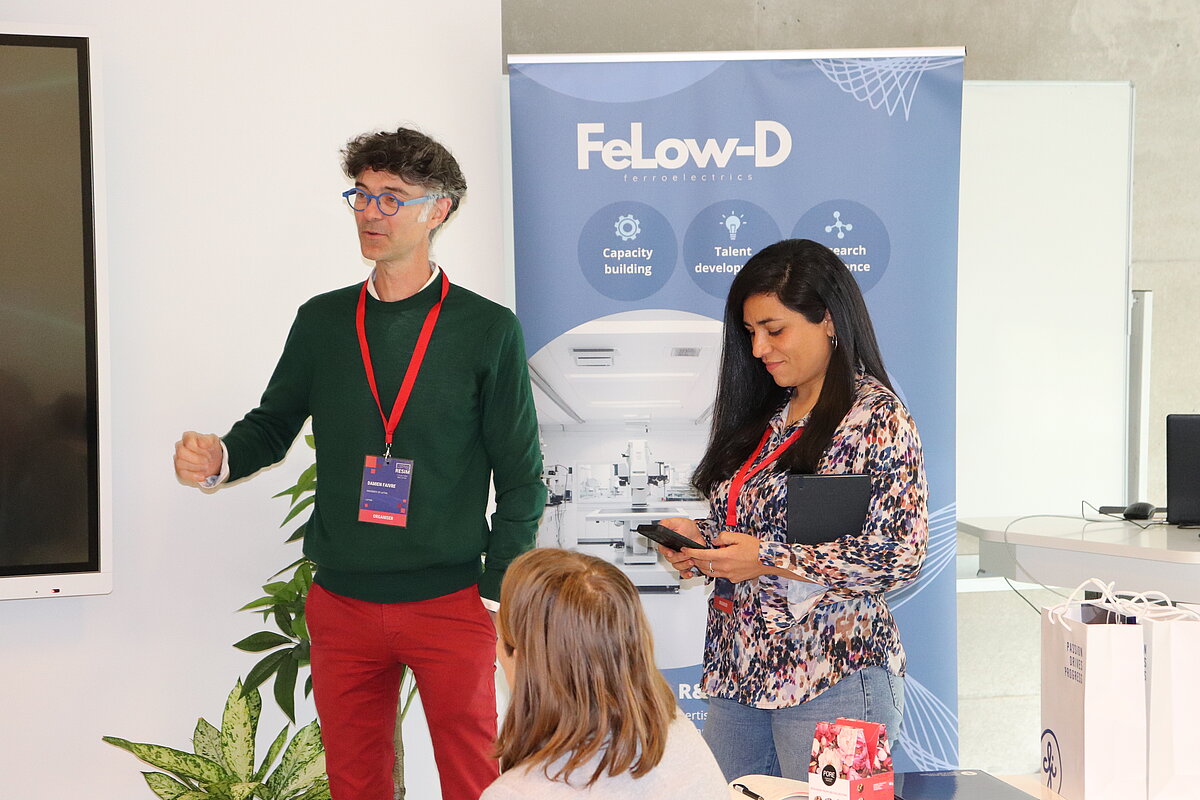
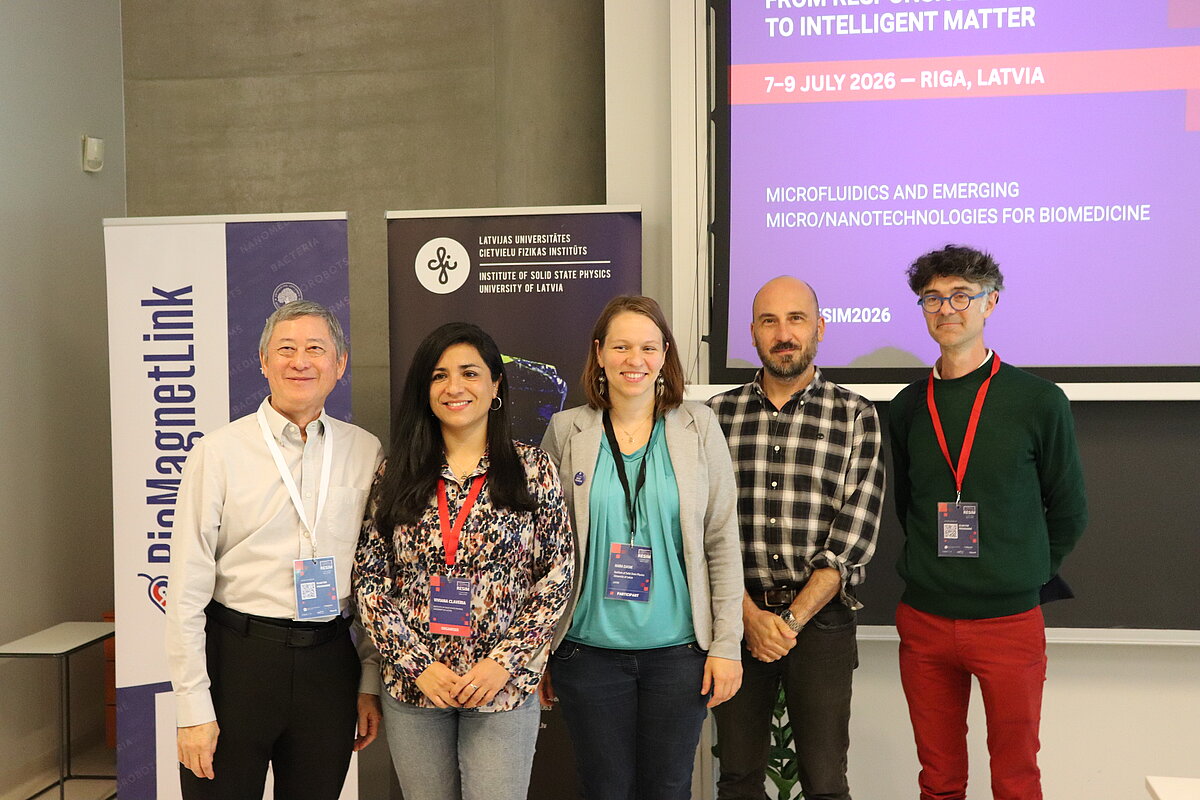
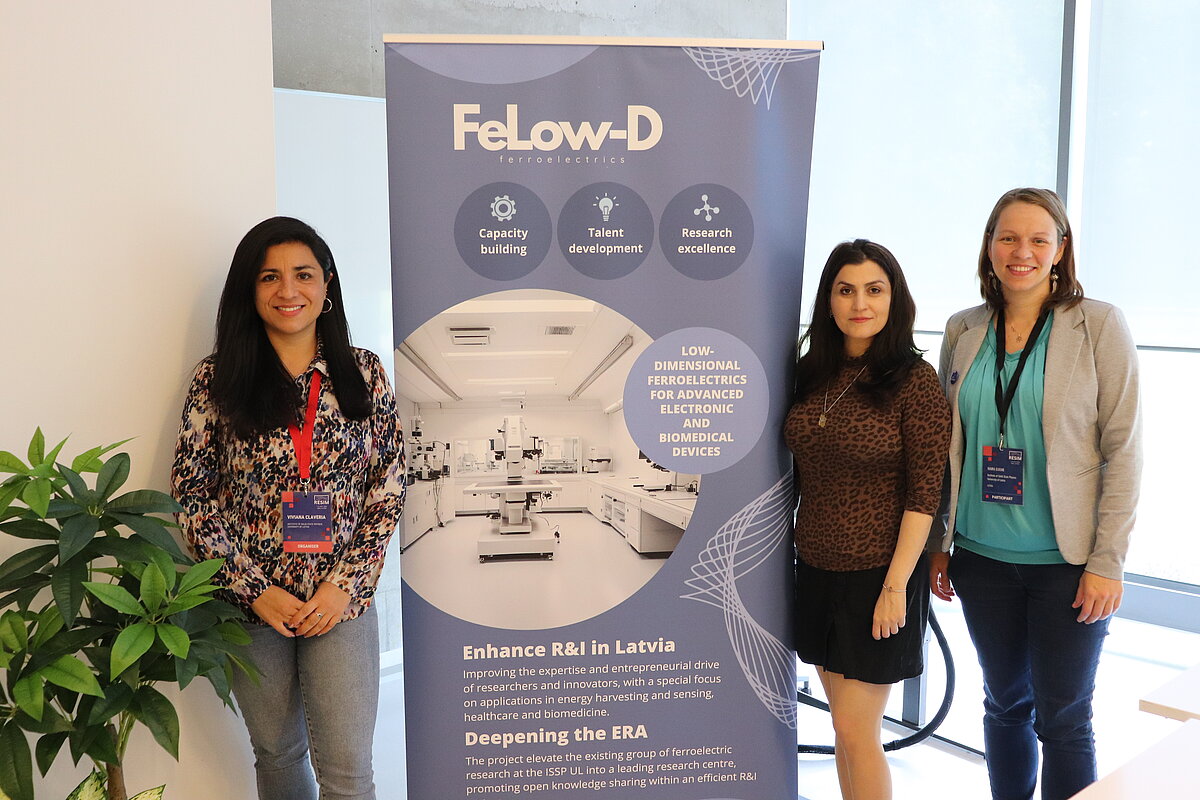
From July 7 to 9, the House of Science of the University of Latvia became a hub for biomedical innovation as it hosted the international symposium RESIM 2026. The symposium brought together students, PhD candidates, and both early-career and experienced researchers to share significant discoveries and spark new solutions in biomedicine.
The event highlighted achievements spanning both fundamental research in biophysics and its practical applications. Special emphasis was placed on the physical intelligence of single cells and cellular collectives, exploring the principles that enable swimming microparticles and small-scale robots to sense signals, make decisions, and operate.
Presentations and discussions during the event focused on four rapidly growing areas:
Mechanobiology and rheology of biosuspensions: Explaining how complex biological suspensions sense signals, respond, and adapt in physiological and biomimetic environments.
Microfluidics and lab-on-a-chip platforms: Driving emerging micro/nanotechnologies from design development to clinical application and diagnostics.
Micro and nanosensors, actuators: Enabling real-time detection of metabolites and pathogens and triggering targeted actions in microrobots.
Active matter and microrobotics: Navigating simple and complex fluids using biohybrid and synthetic microparticles, as well as intelligent delivery systems.
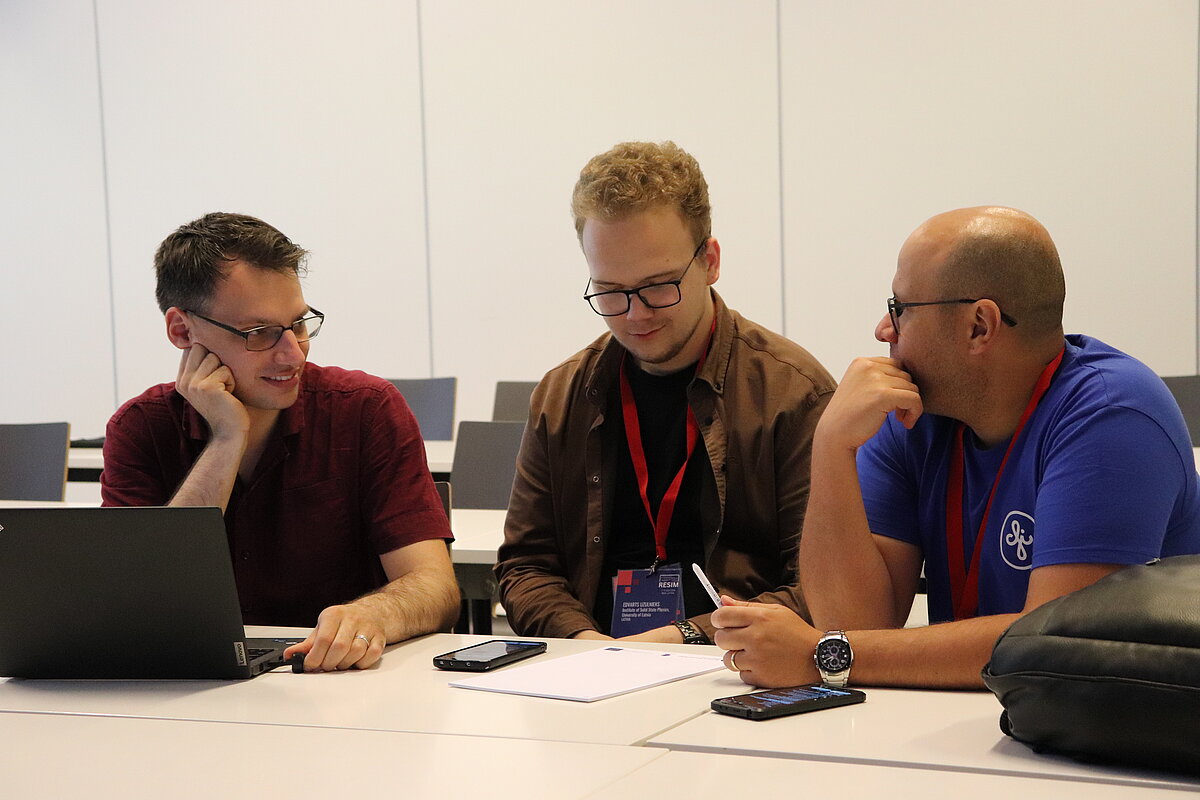
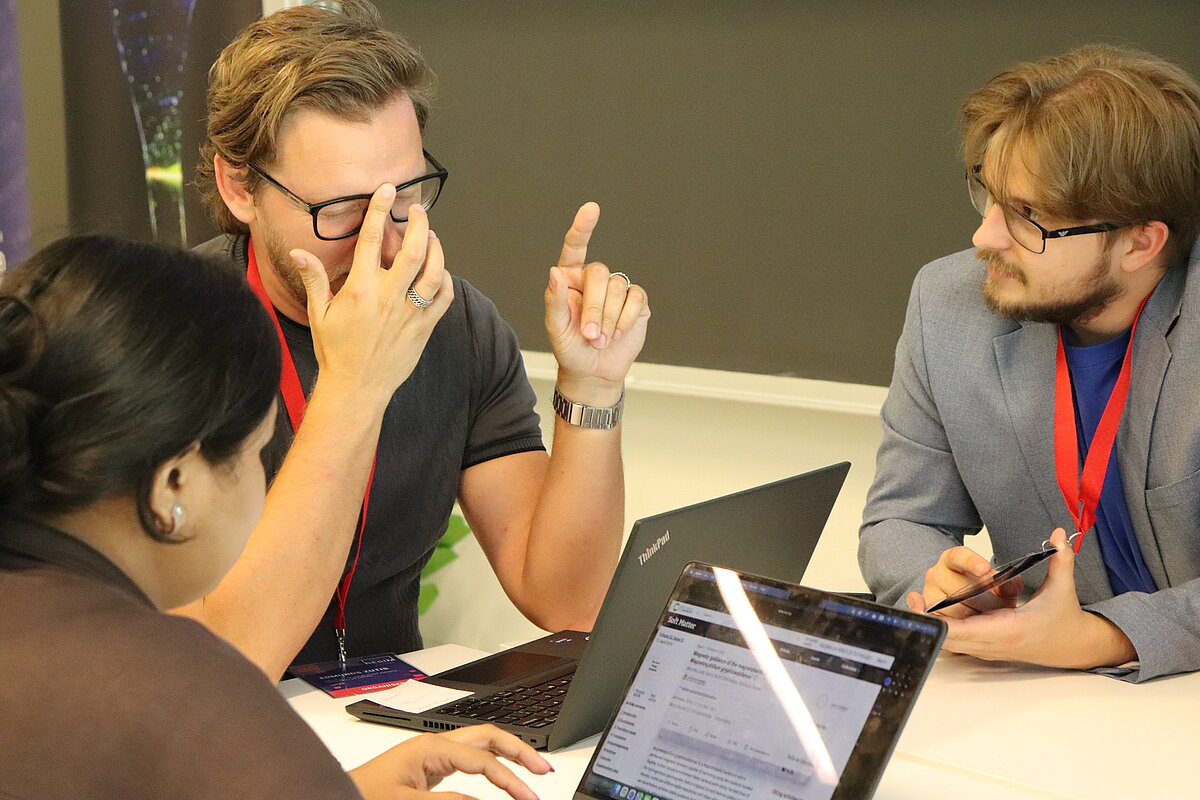
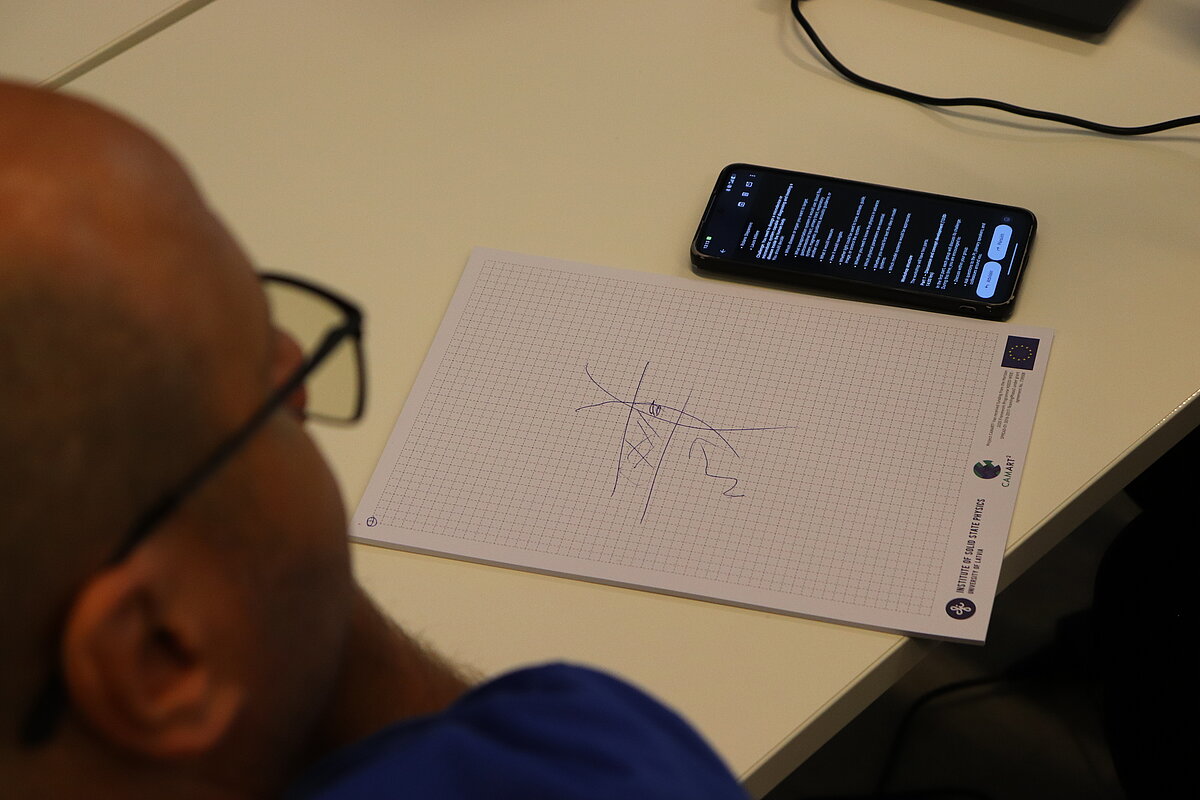
In addition to scientific presentations, the symposium offered participants hands-on experience through interactive workshops. Working in teams, researchers developed concepts for biorobotics solutions and outlined the first steps for their actual design and application.
Attendees also took an extensive tour of the laboratories at the Institute of Solid State Physics, University of Latvia (ISSP UL), getting a firsthand look at the modern cleanrooms, the microfluidics pilot line, the Laboratory of Thin Films, and the Laboratory of Spectroscopy.
By providing a dynamic platform for early-career researchers to connect with leading industry and academic experts, RESIM 2026 successfully laid the groundwork for future international collaborations that will continue to shape the next generation of biomedical systems.
The event was organized by ISSP UL in cooperation with the EU-funded project BioMagnetLink and the ERDF project FeLow-D.
