
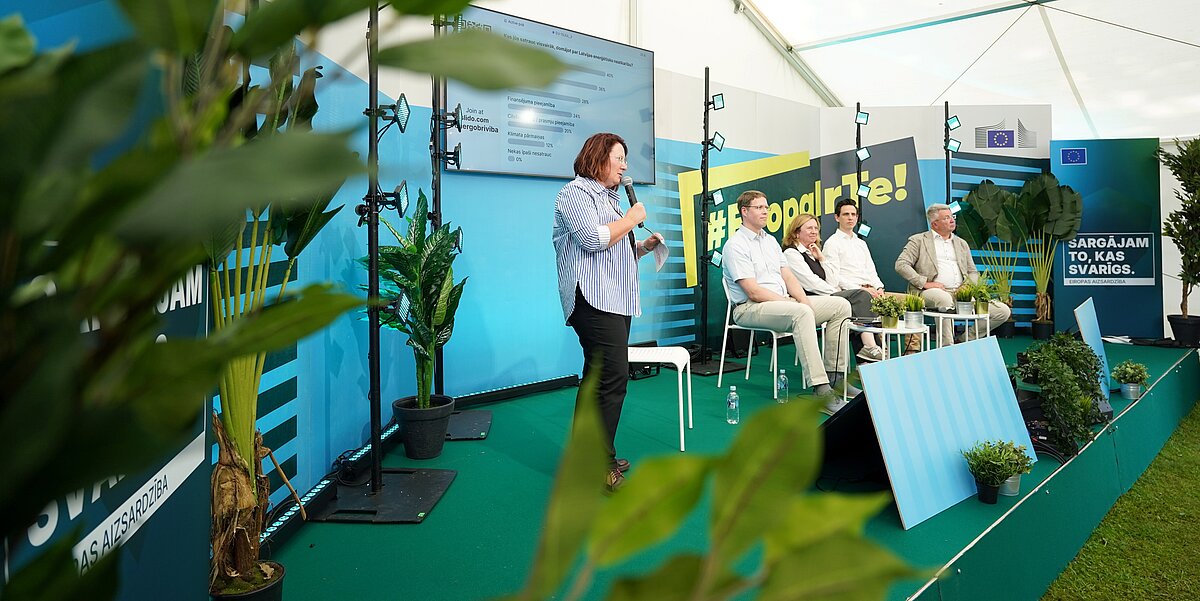
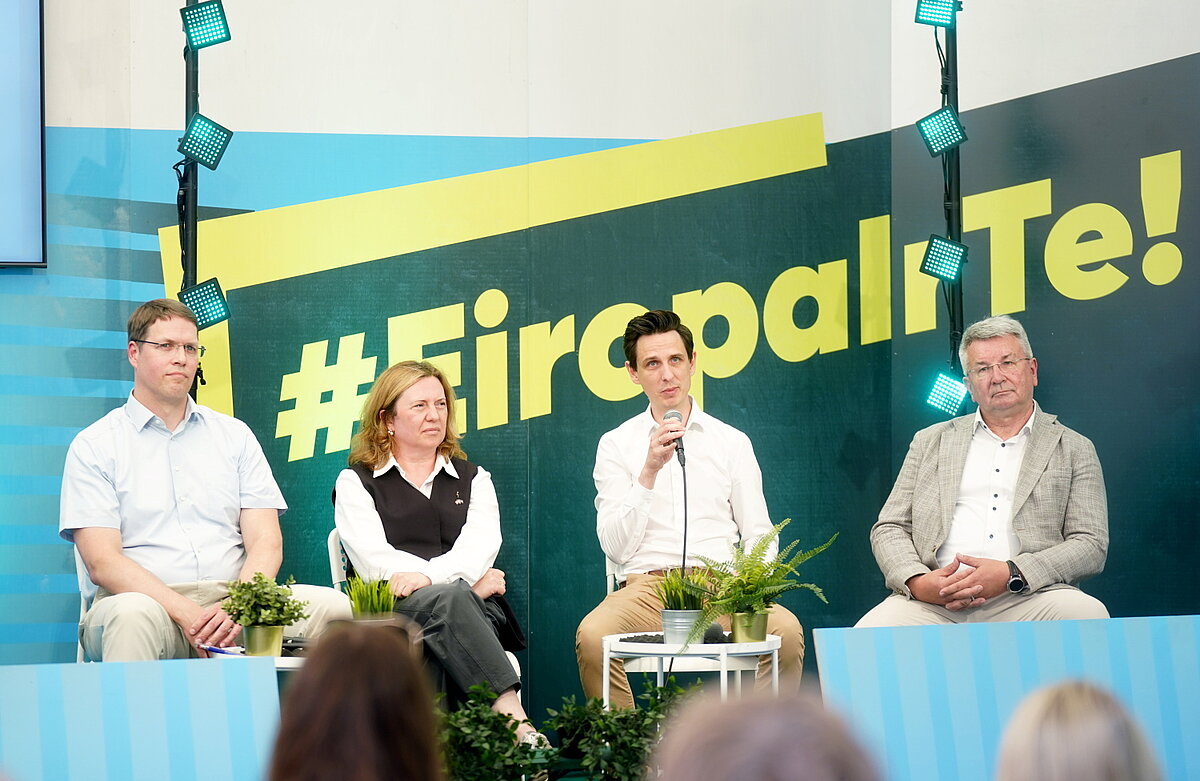
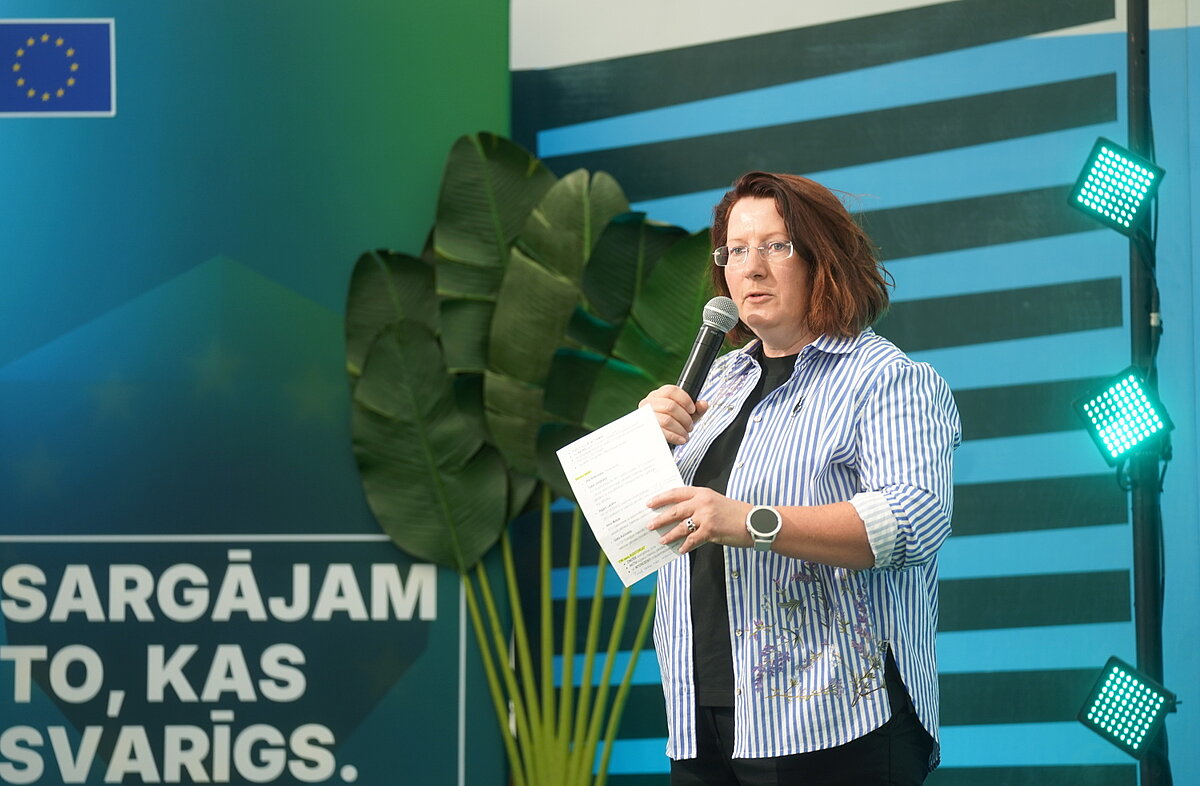
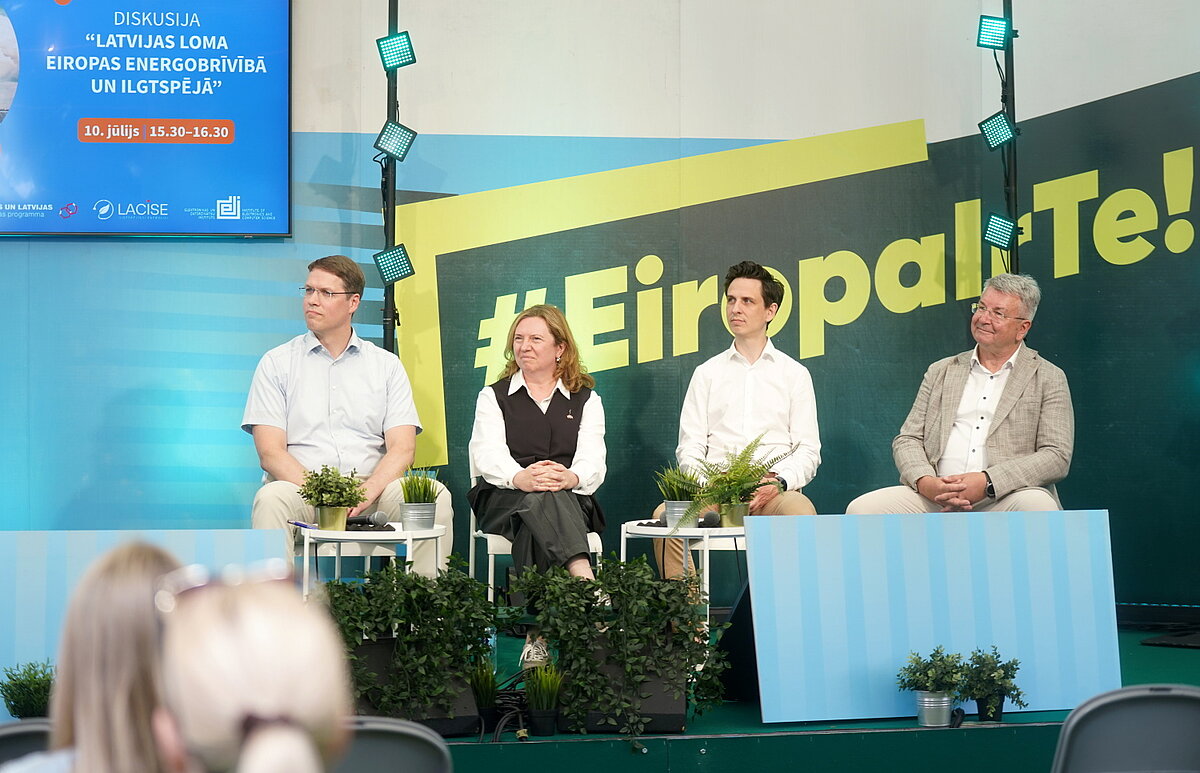
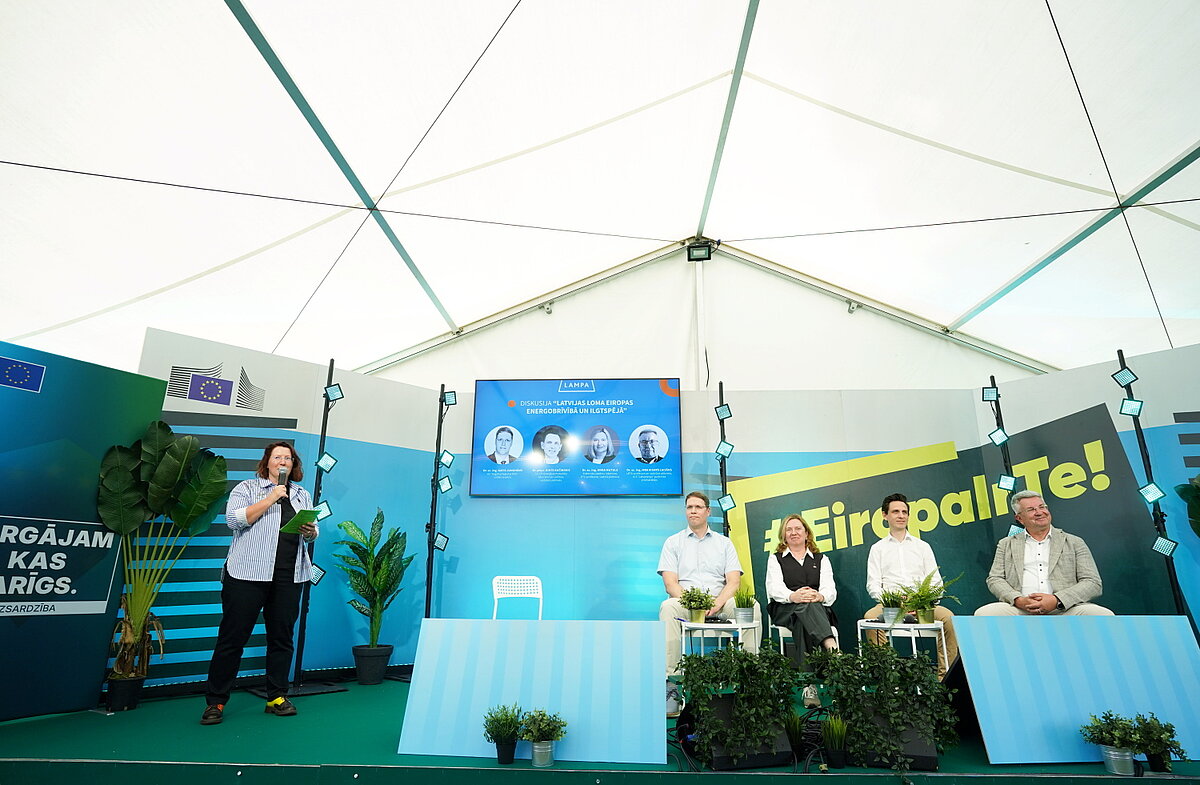
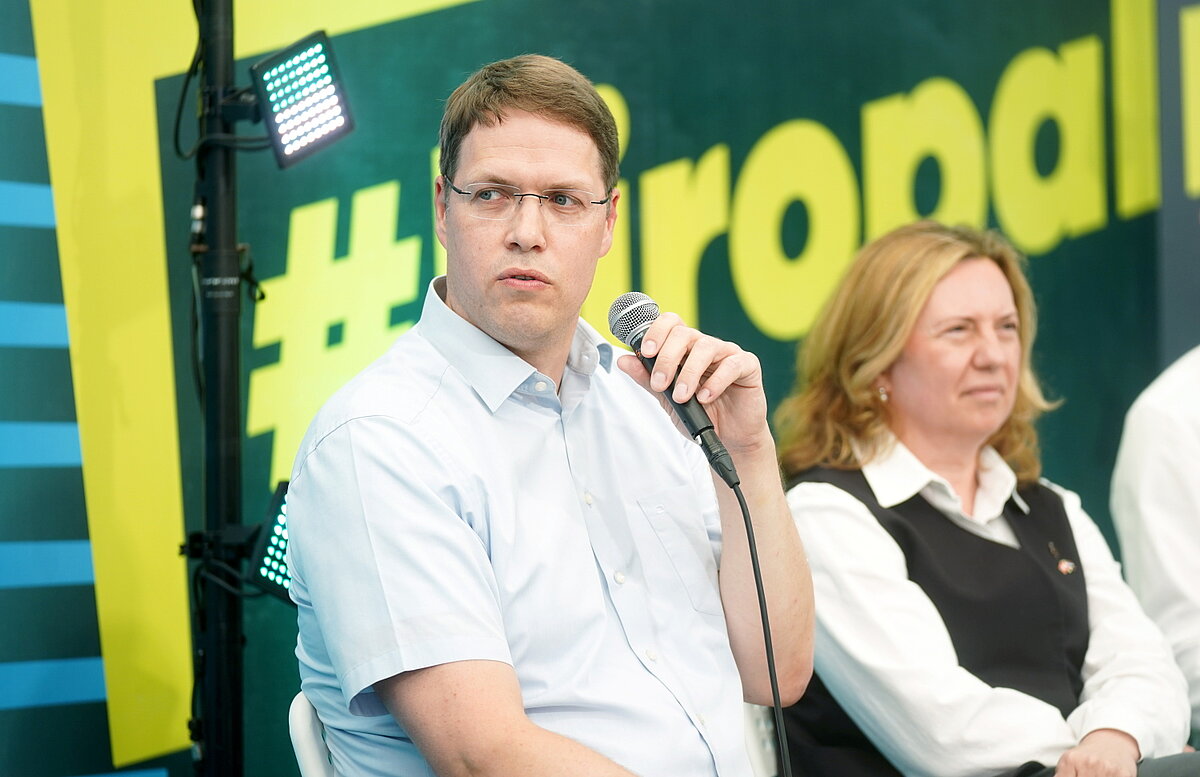
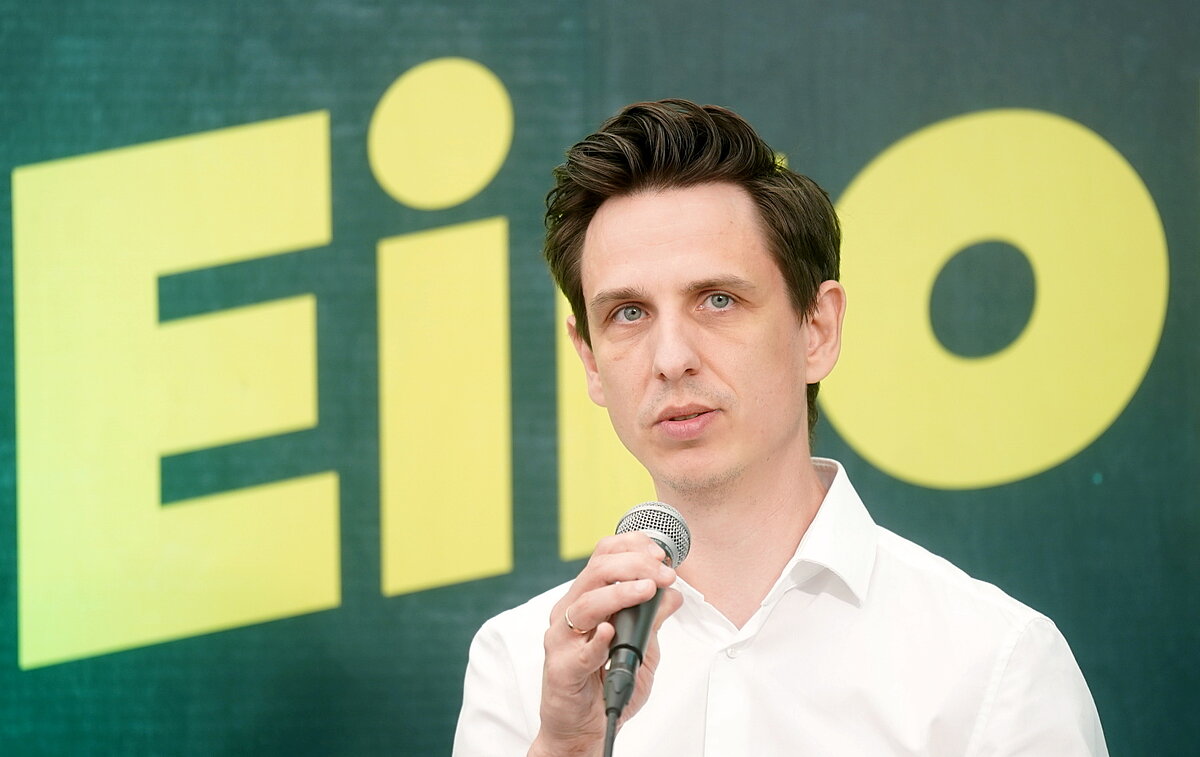
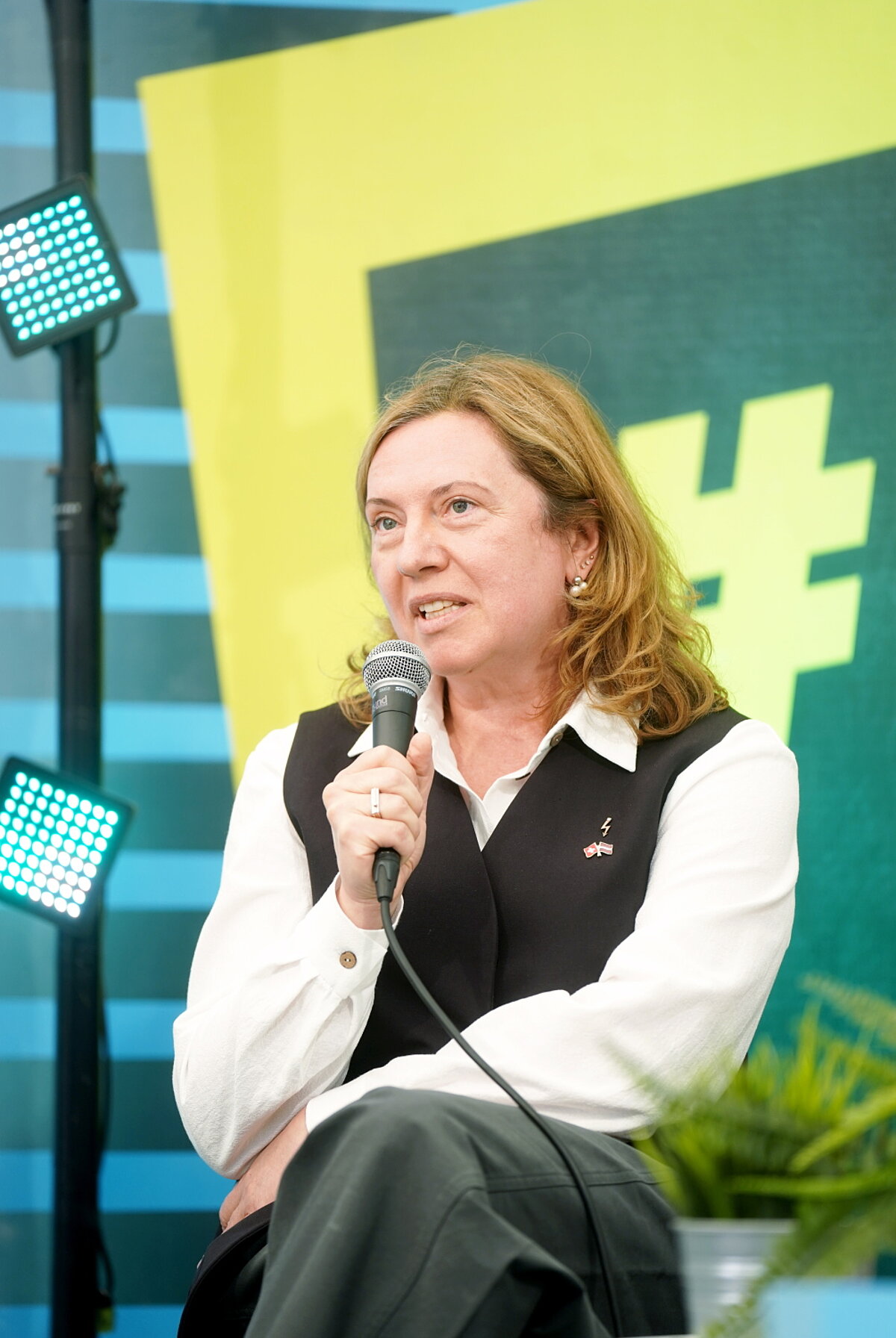
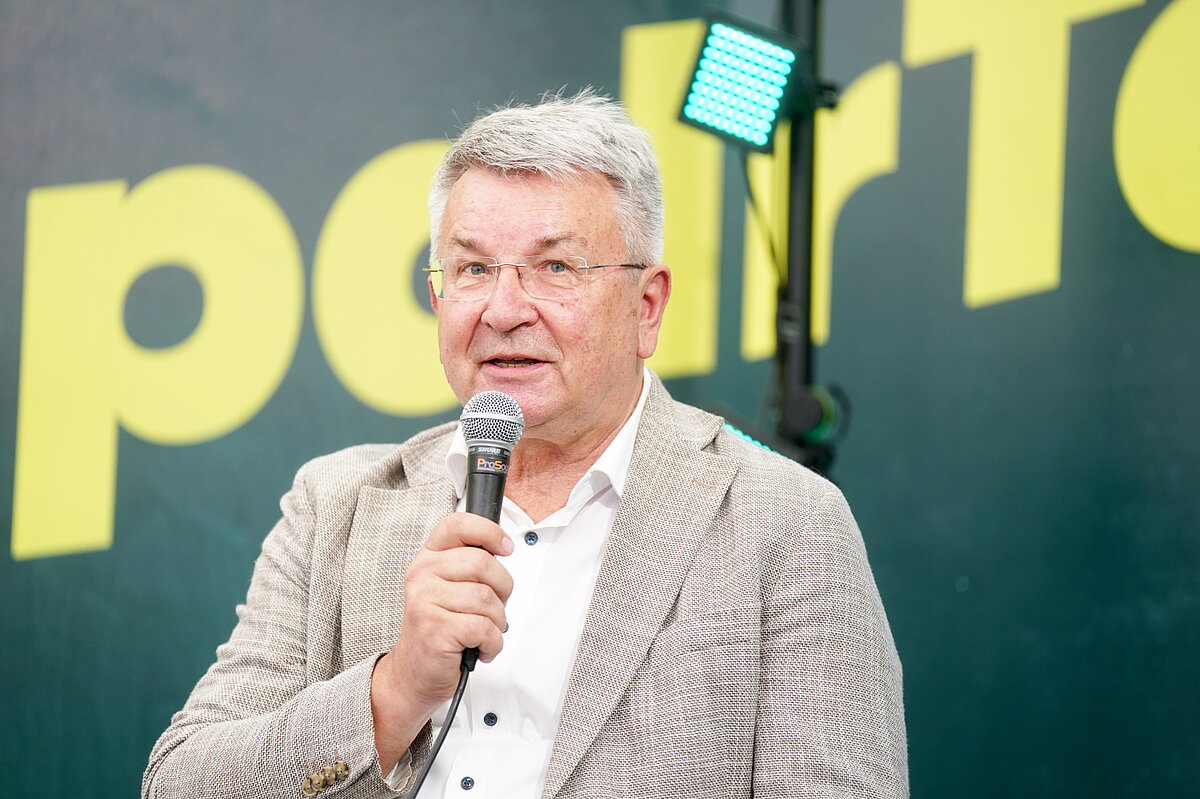
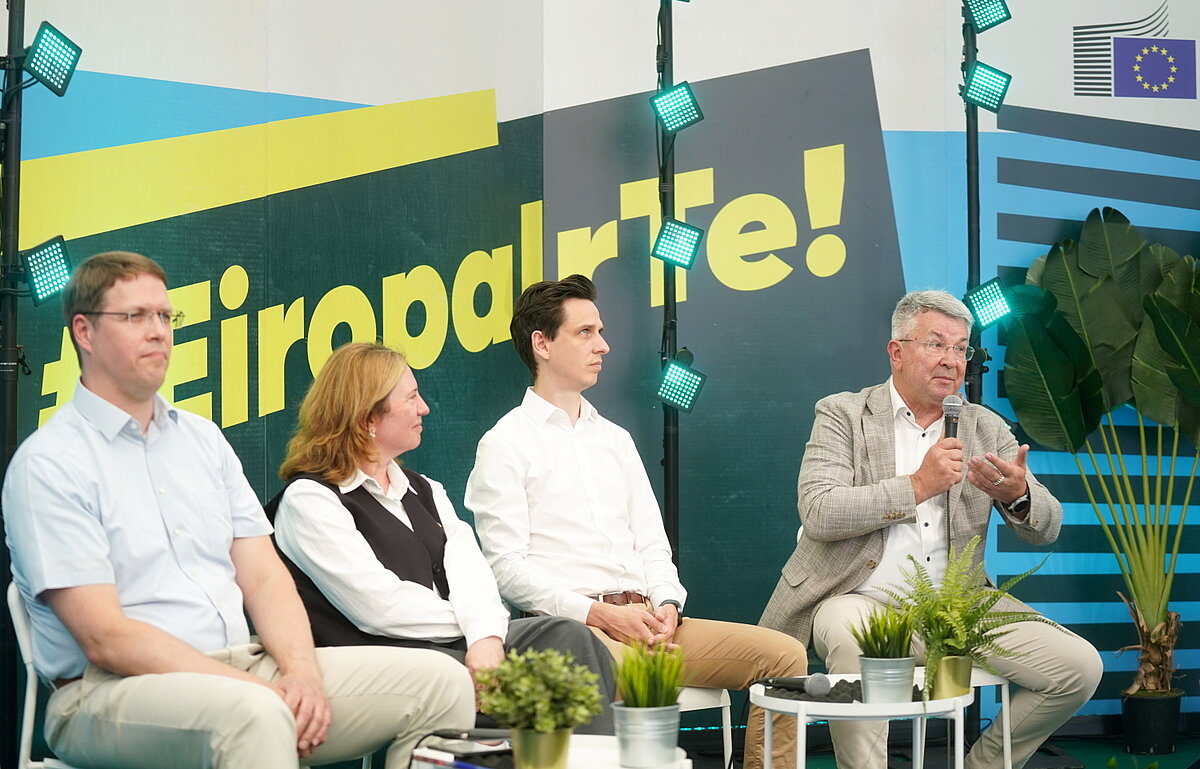
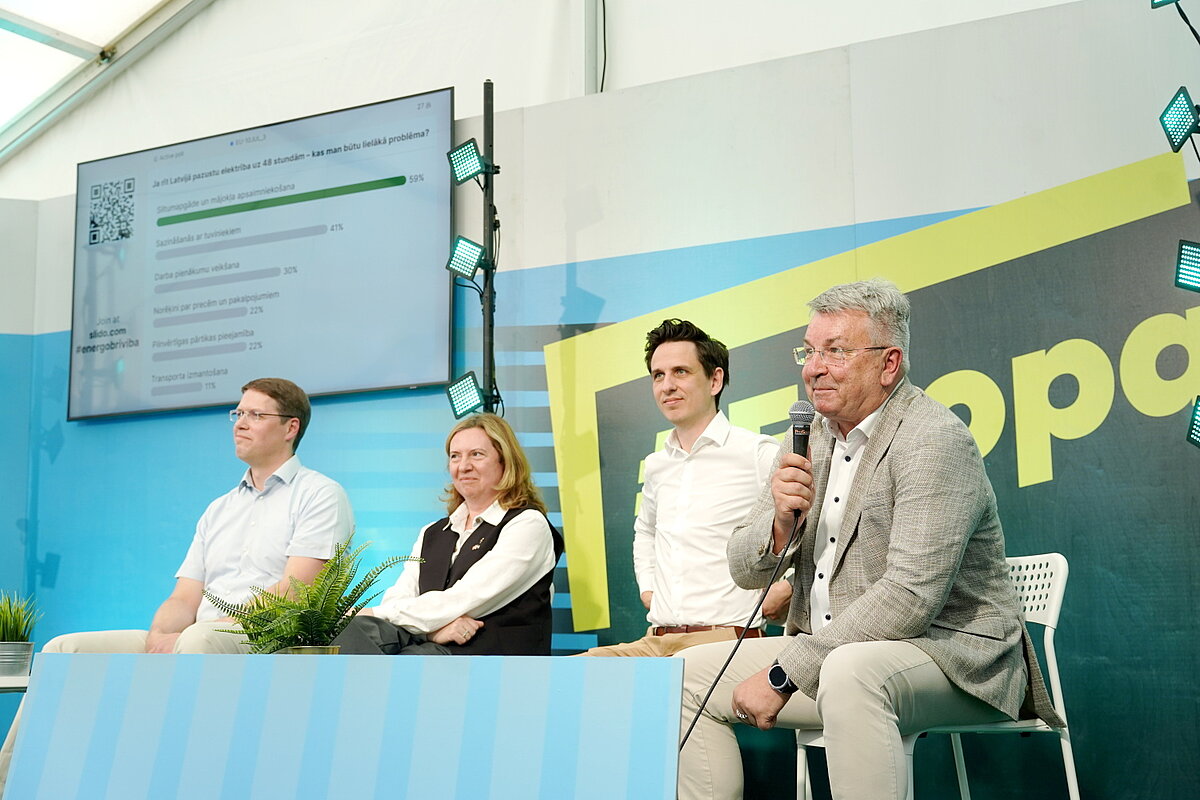
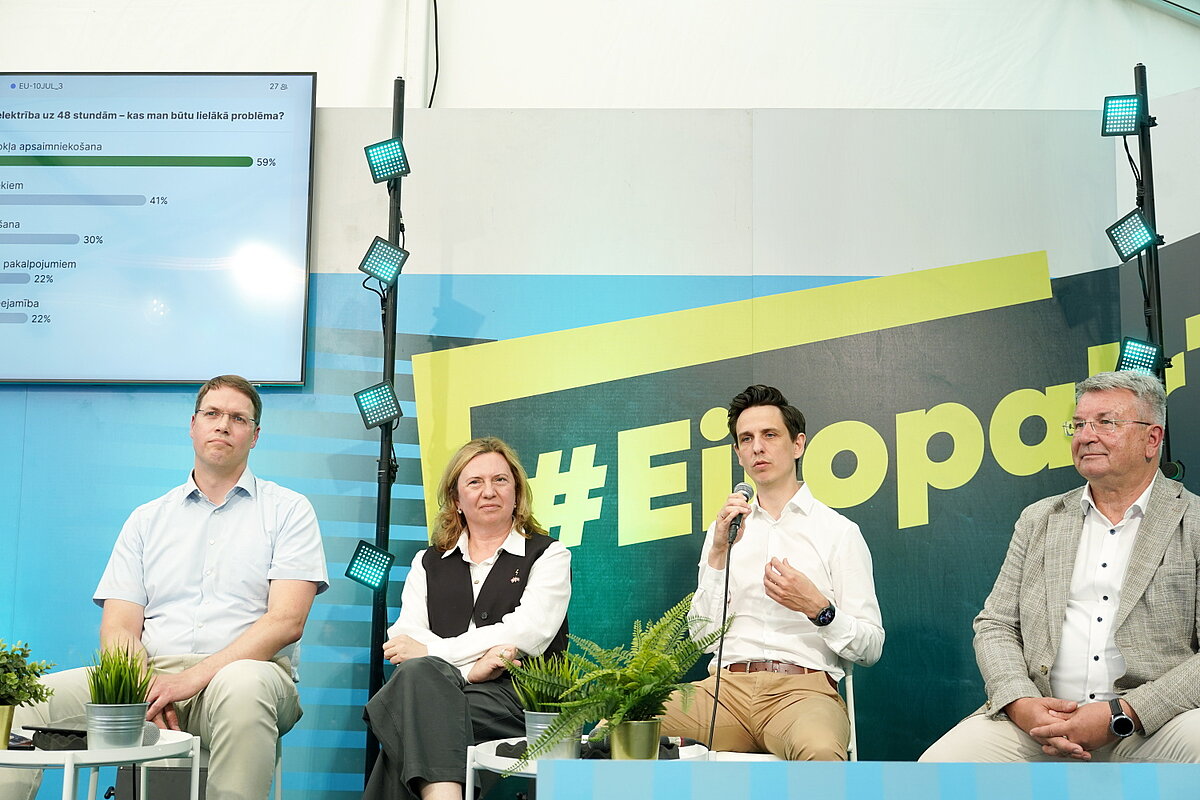
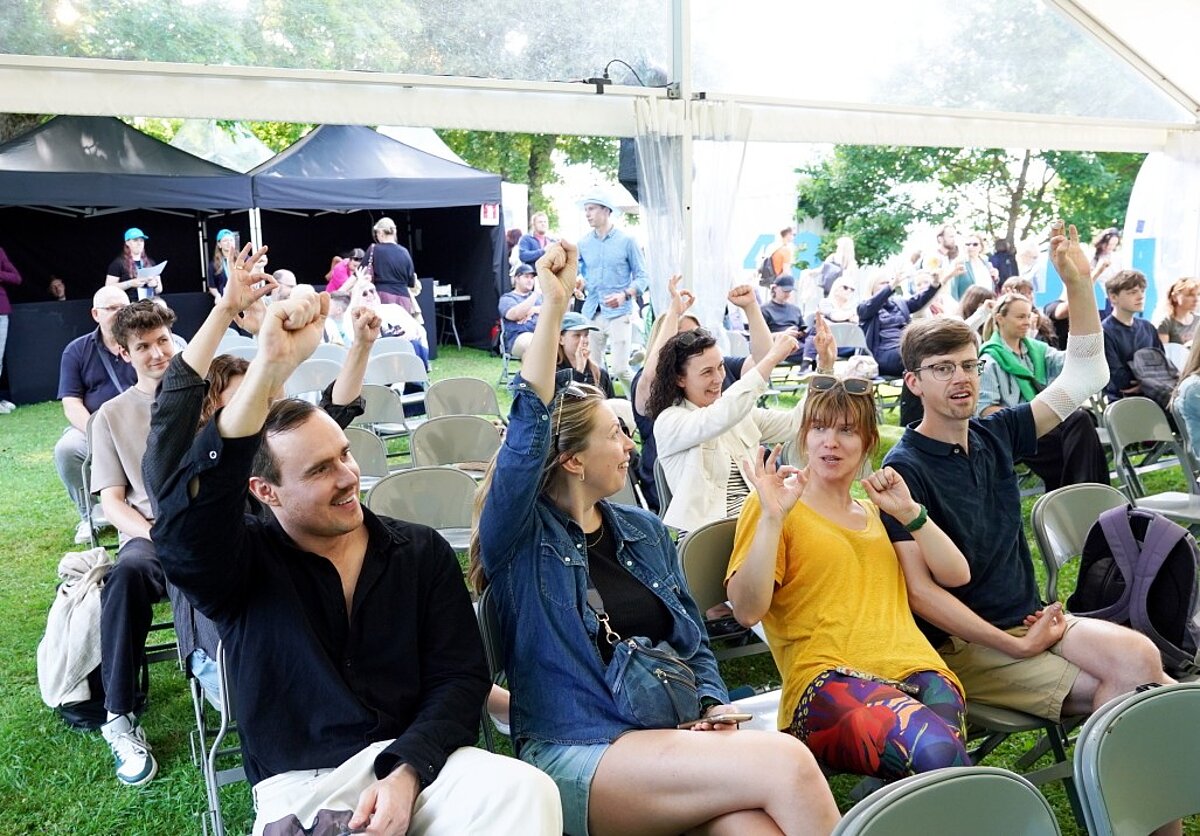
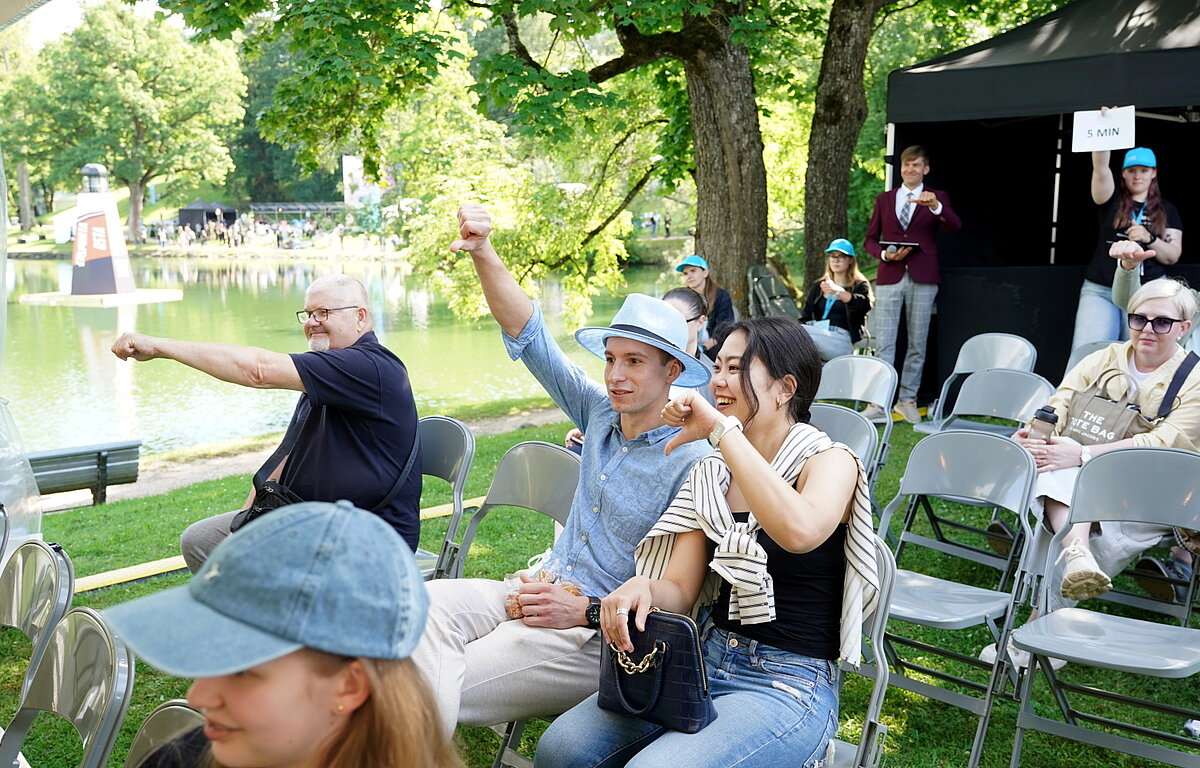
On July 10, within the annual Latvian conversation festival LAMPA the Institute of Solid State Physics, University of Latvia (ISSP UL) with the international Swiss-Latvian cooperation project LACISE organised the panel discussion titled “Latvia's Role in Europe's Energy Freedom and Sustainability” to talk about the future of Latvia's energy landscape.
The panel brought together leading experts from science and industry to explore how these sectors can collaborate more effectively to secure a sustainable future:
- Gints Kučinskis – Head of the Energy Materials Laboratory and Lead Researcher at ISSP UL, and coordinator of the LACISE project.
- Gatis Junghāns – Board Member of AS "Augstsprieguma tīkls".
- Aigars Laizāns – Professor and Lead Researcher at LBTU, and Chairman of the Supervisory Board of AS LATVENERGO.
- Anna Mutule – Energy researcher, LACISE project manager at EDI, and Professor and Lead Researcher at RTU.
- Vita Brakovska – Discussion moderator.
The experts analyzed the current situation of Latvian power grids, addressing how truly independent and sustainable they are in the face of shifting geopolitical and environmental realities. The conversation highlighted critical steps needed to boost the country's energy efficiency, emphasizing the necessity of next-generation battery innovations and advanced, smarter energy management systems – on a national scale and down to the household-to-household level.
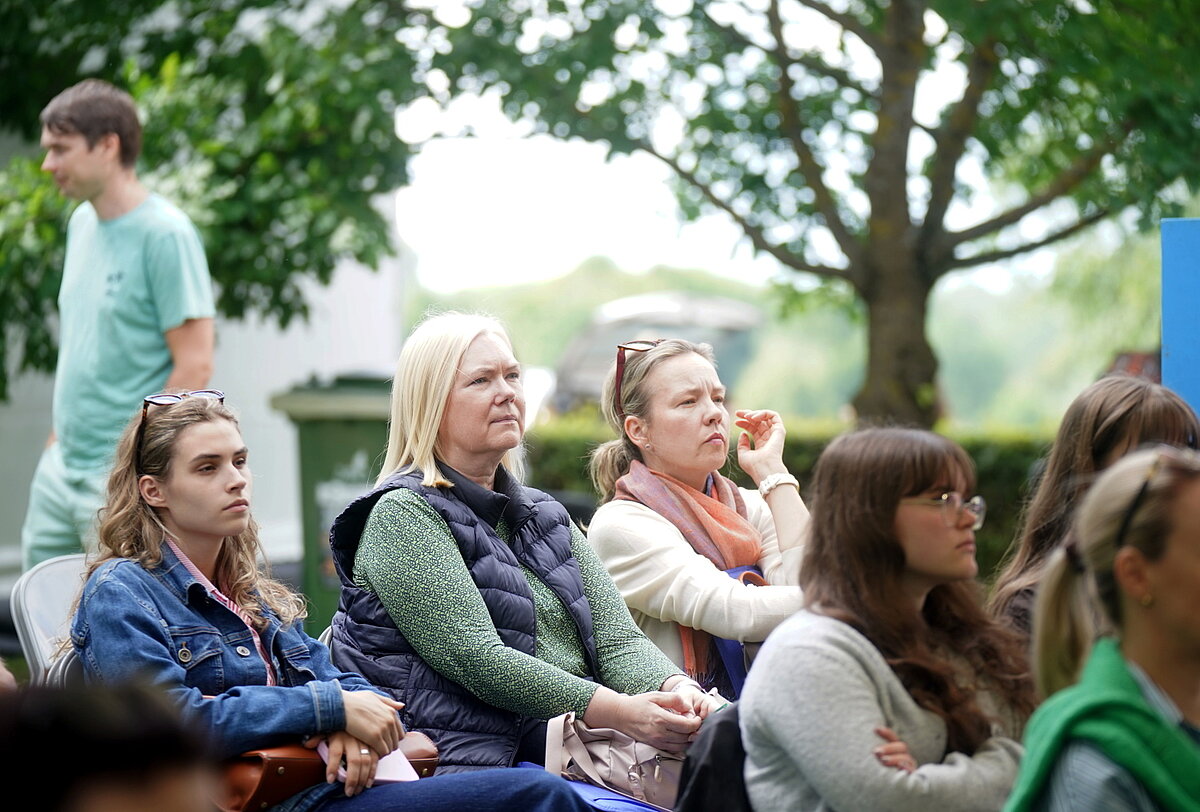
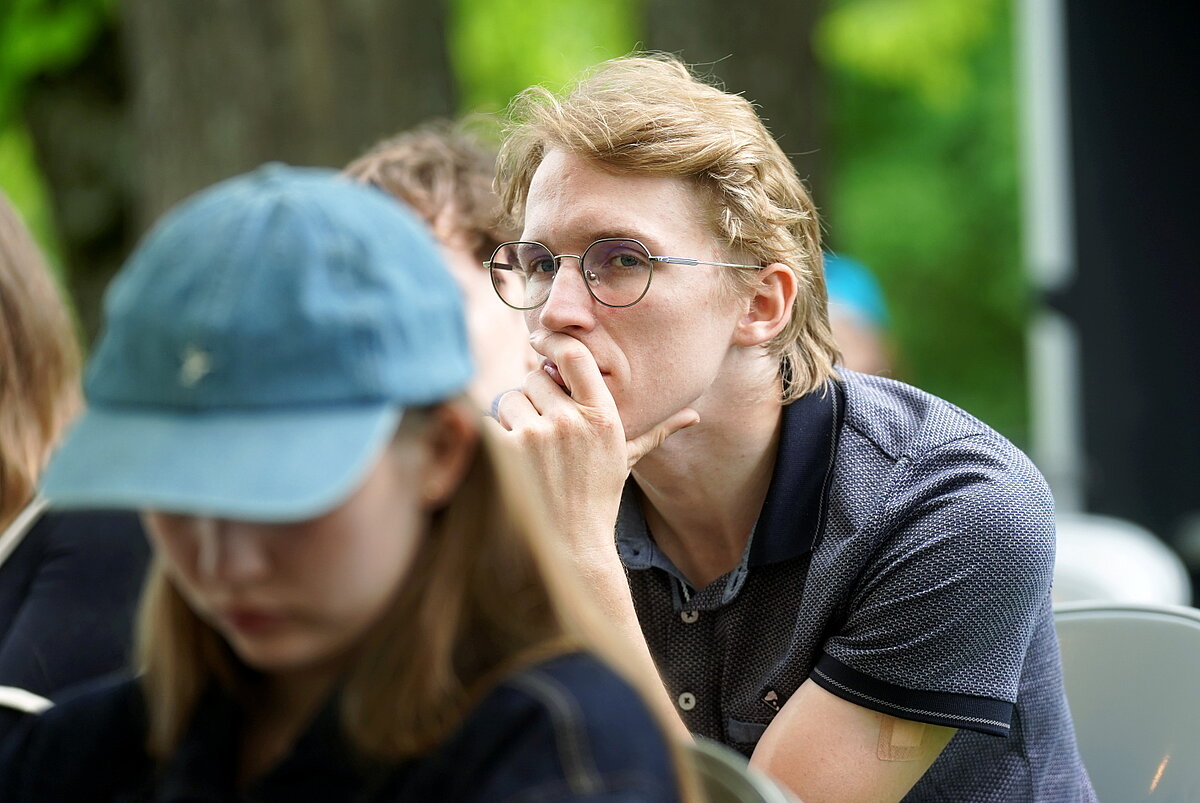
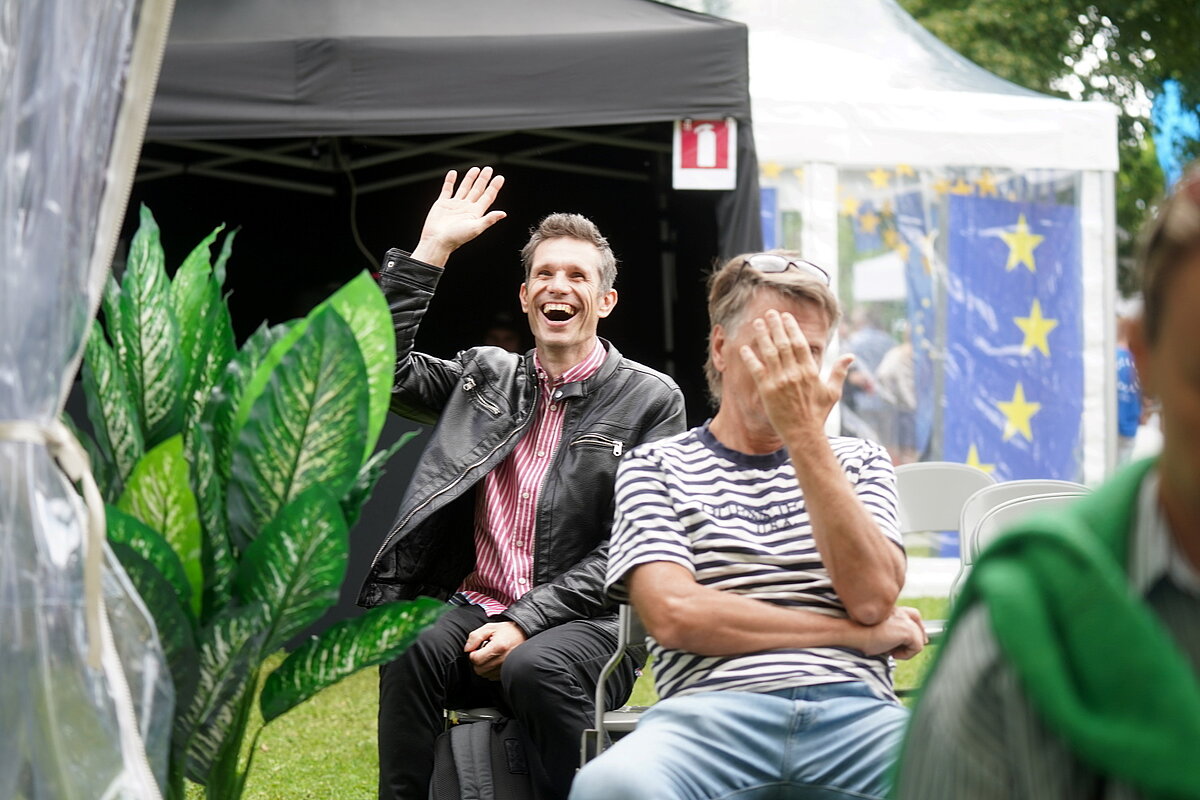
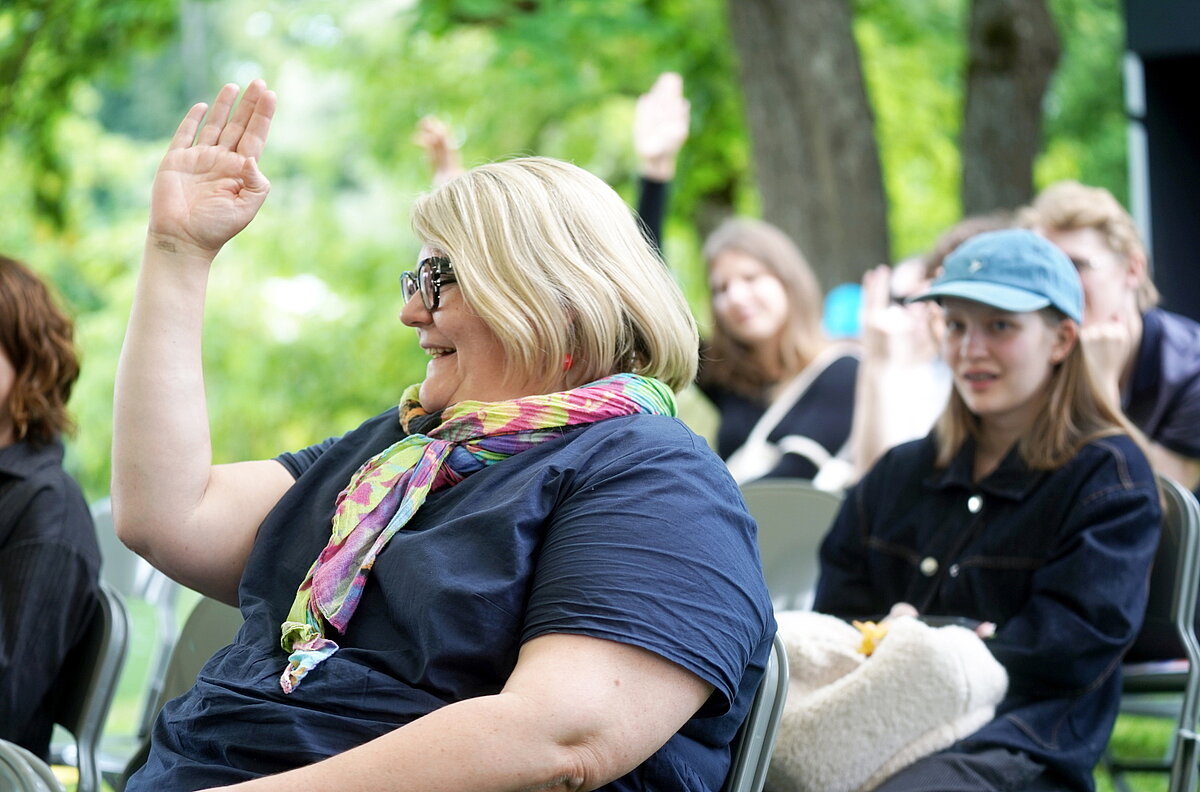
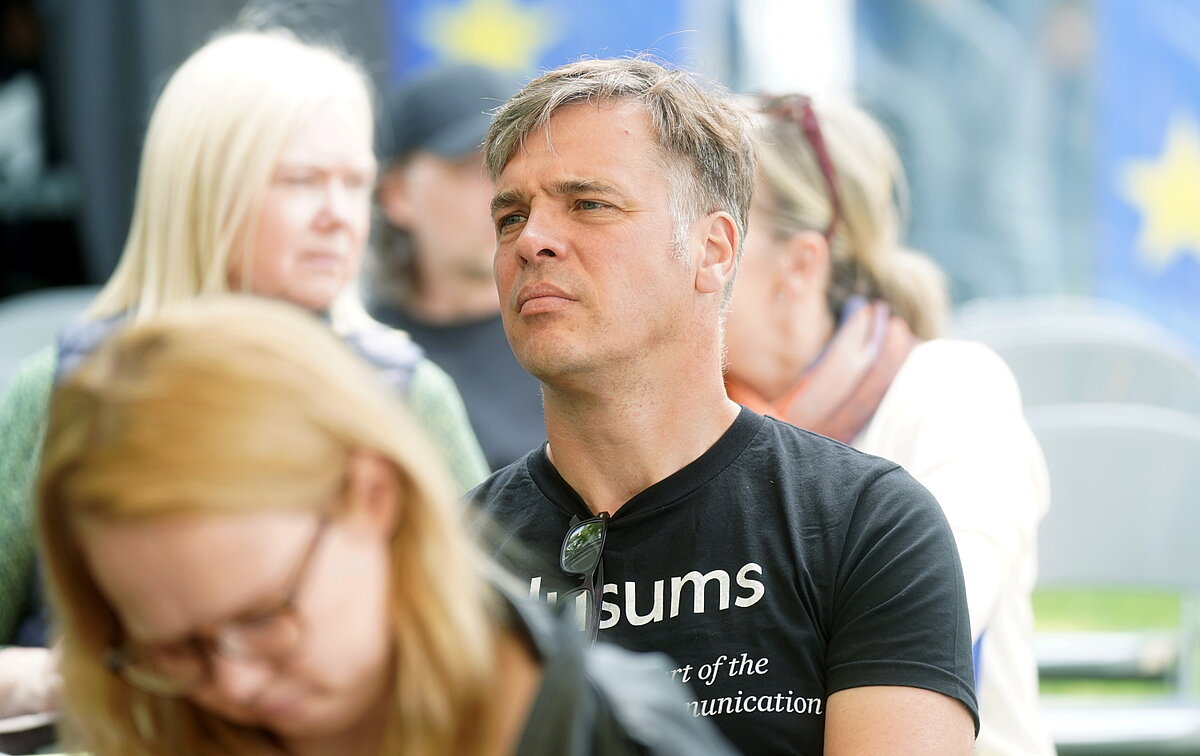
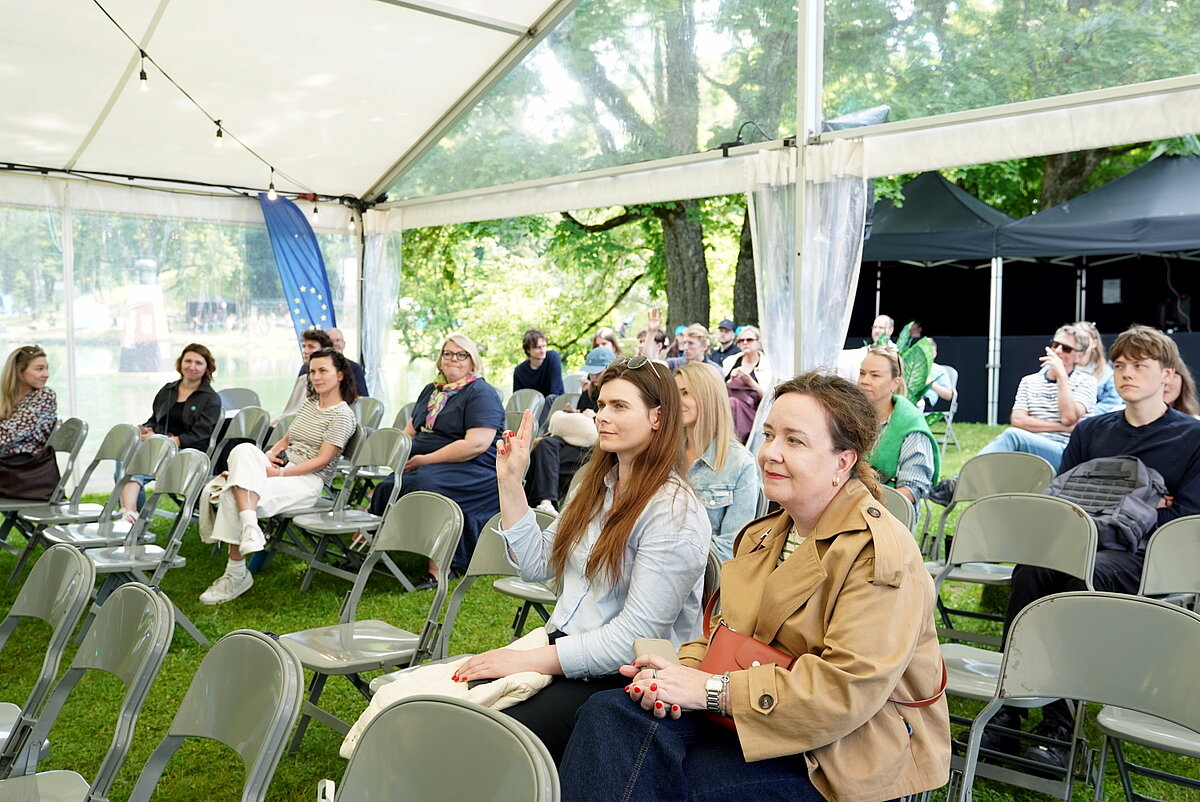
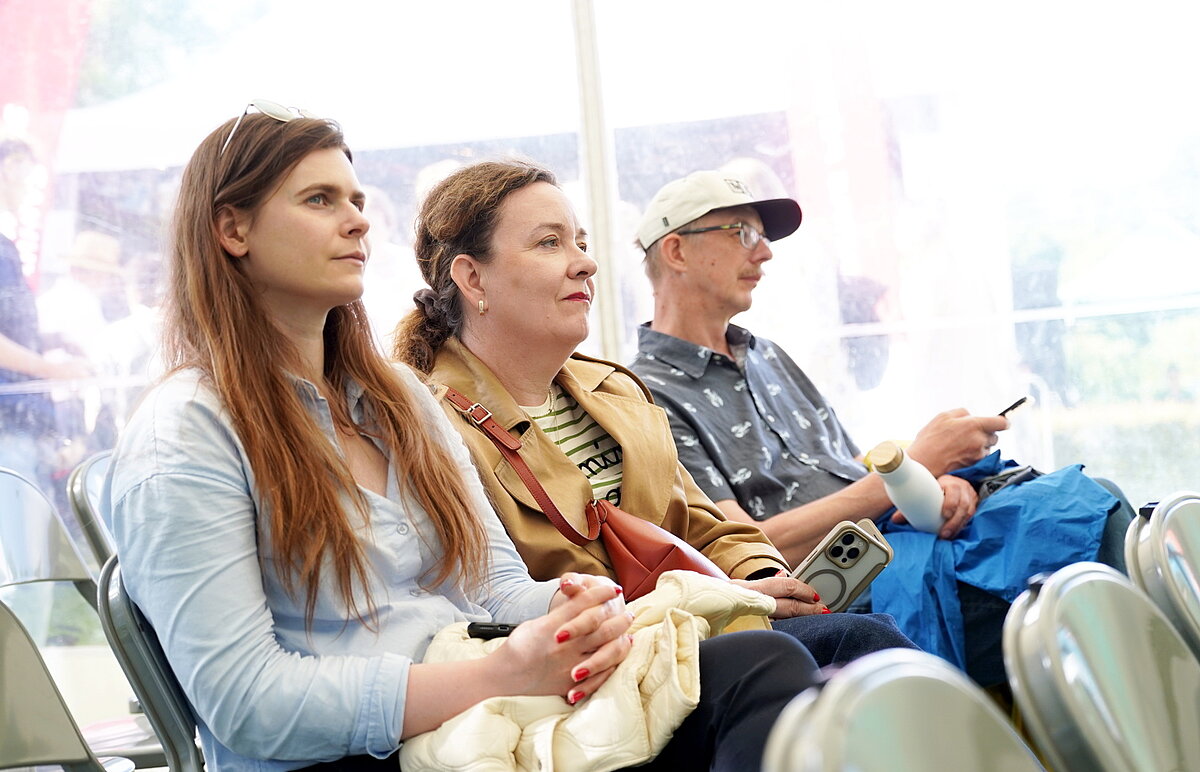
Rather than being passive listeners, attendees actively shared their perspectives on various energy-related dilemmas, for example, reflecting on the reality of modern energy dependency by answering the question: "If the power went out for 48 hours, what things would be the hardest for me to do?"
The event concluded with a clear takeaway: Latvia already possesses strong scientific and industrial competencies in energy and materials science, particularly in developing hydrogen technologies, smart grid AI integration, and next-gen batteries. Harnessing these innovations, alongside proactive individual choices, will be the driving force that ensures Latvia becomes safer, more resilient, and more energy-independent in the coming years.
