
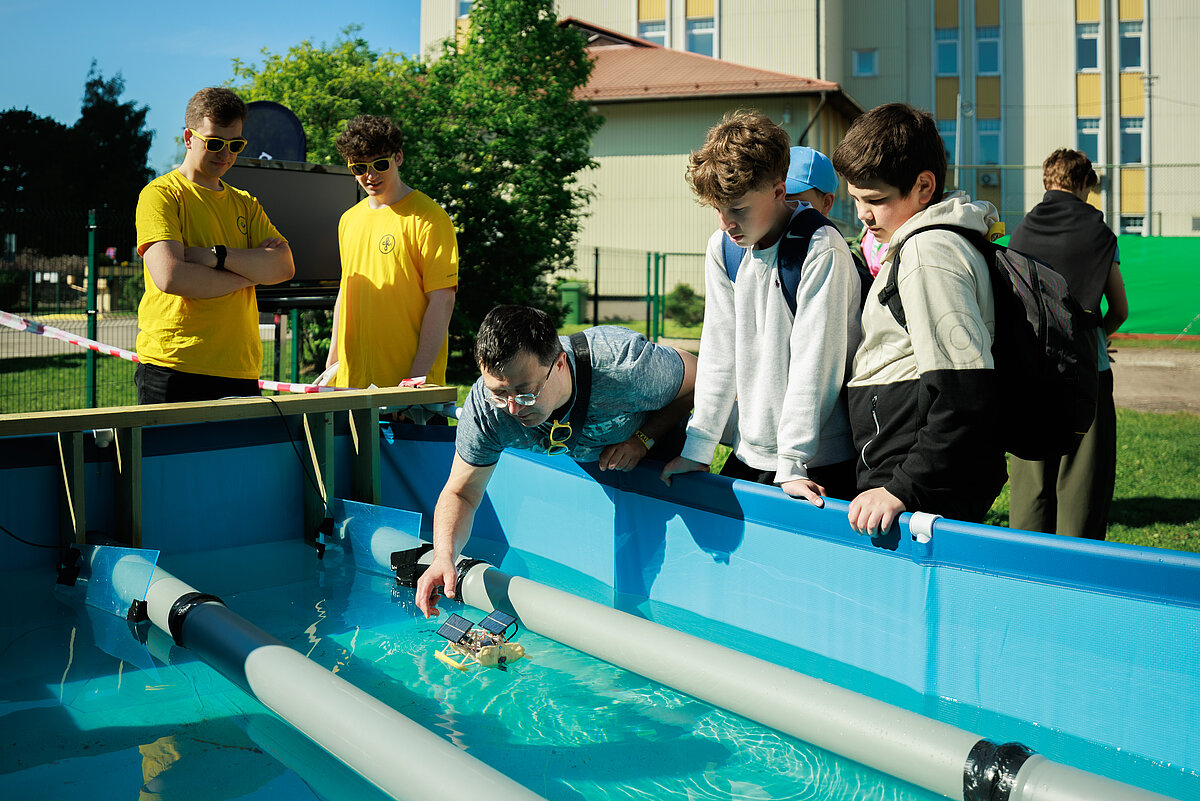
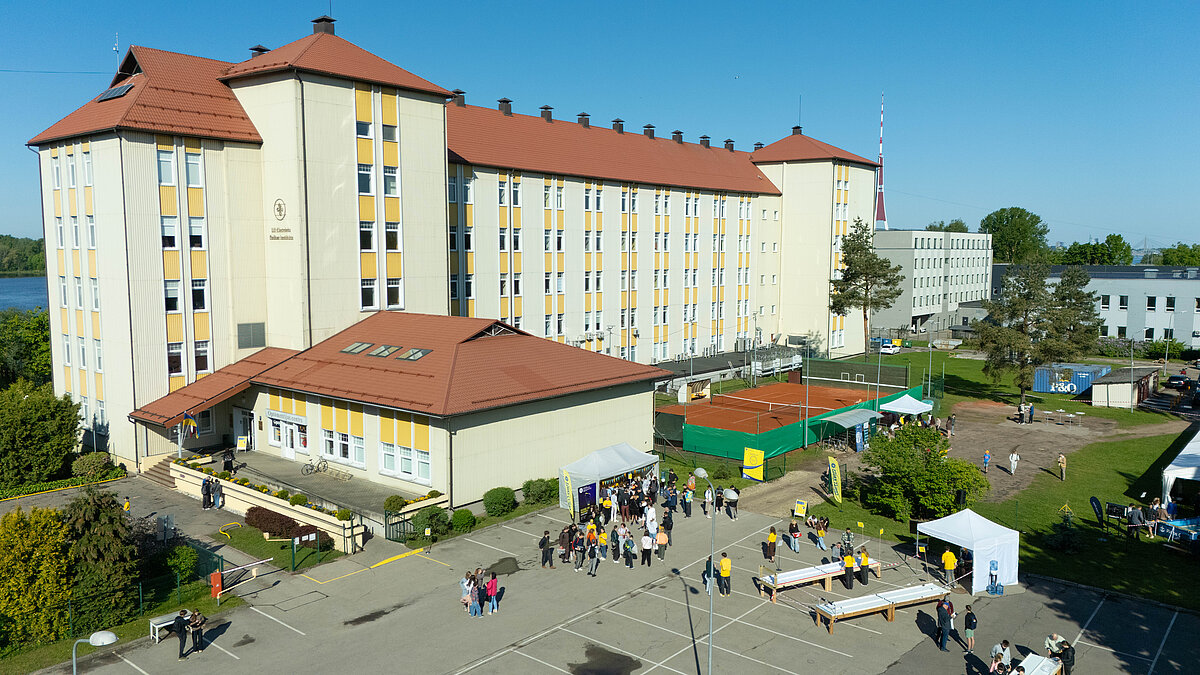
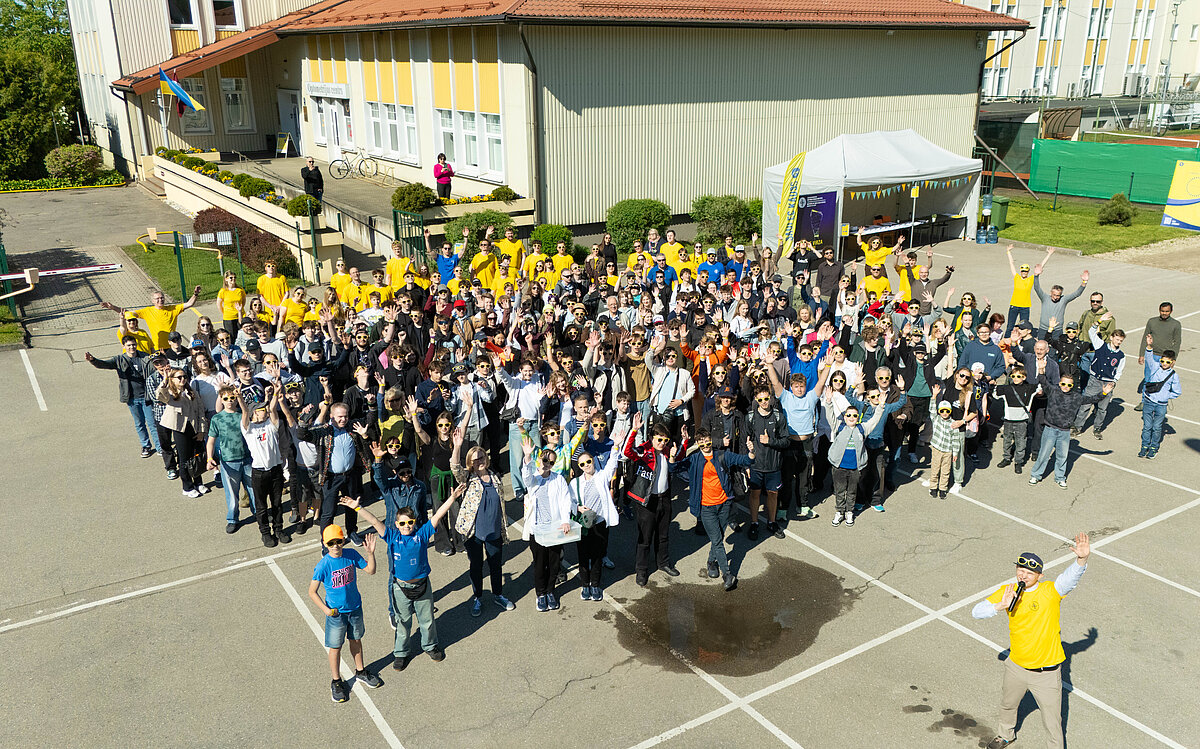
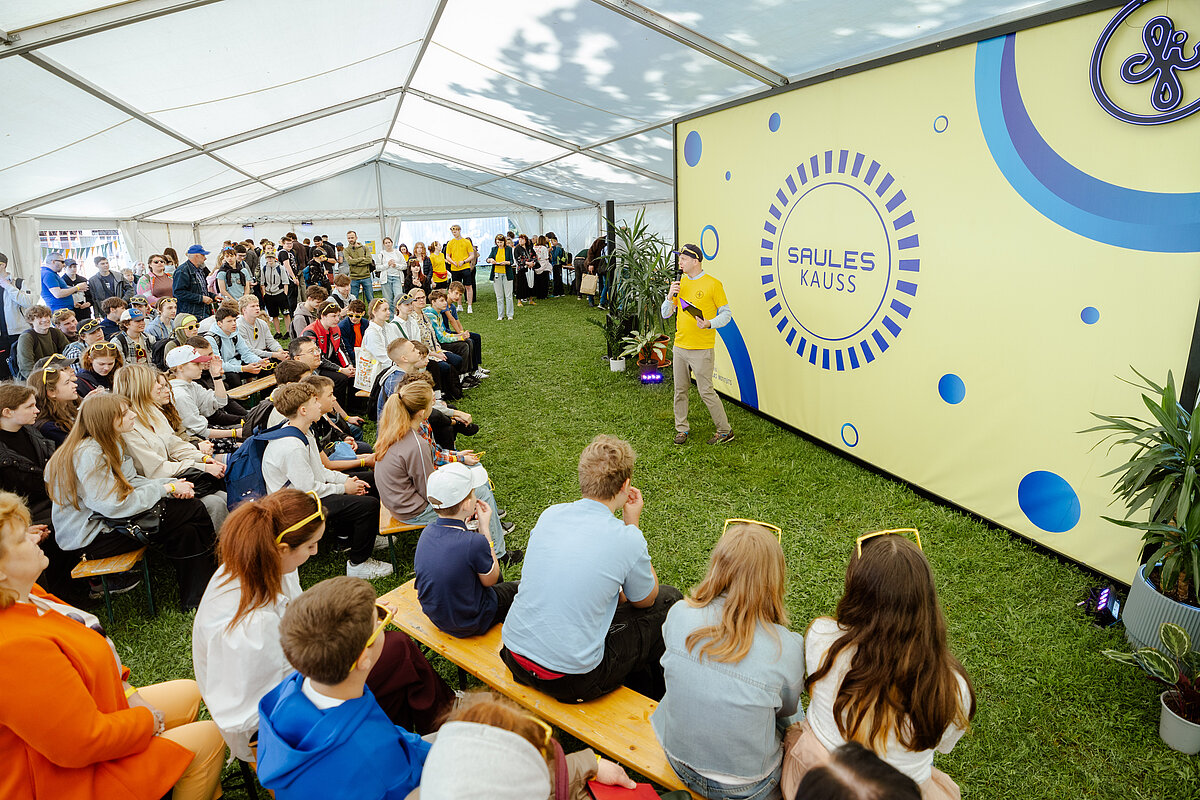
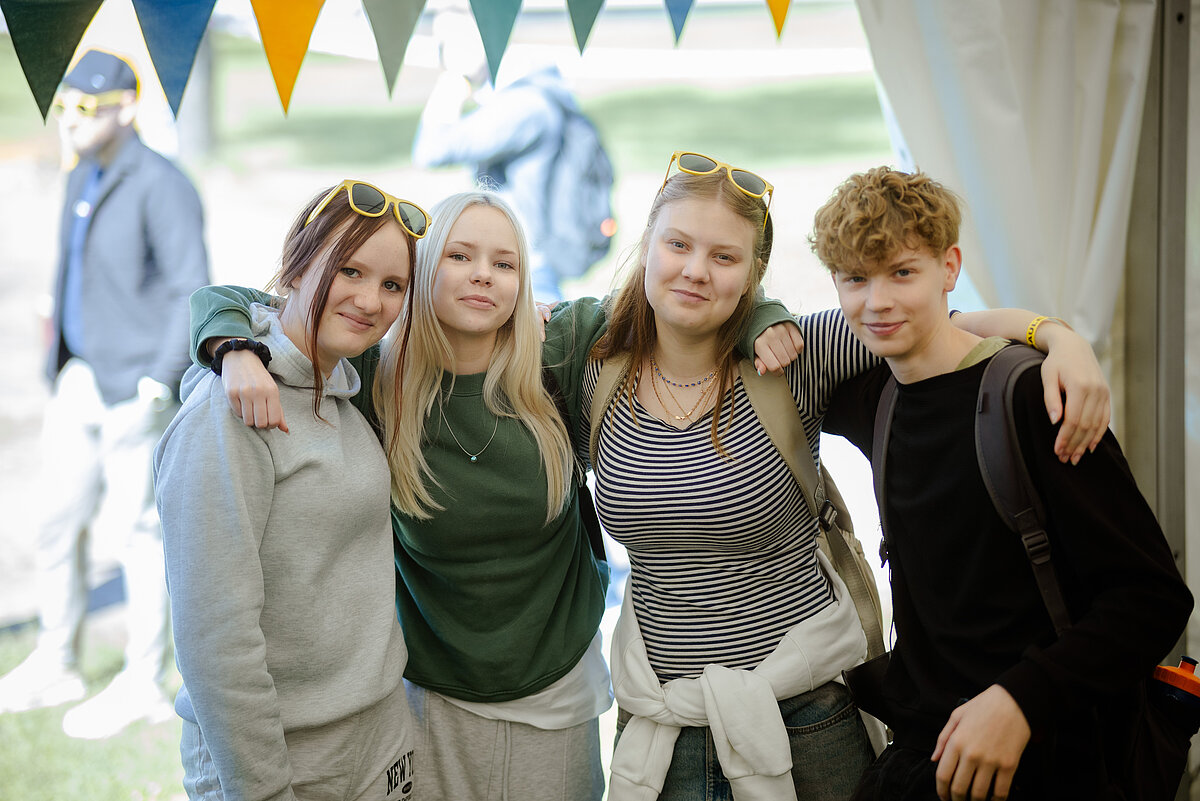
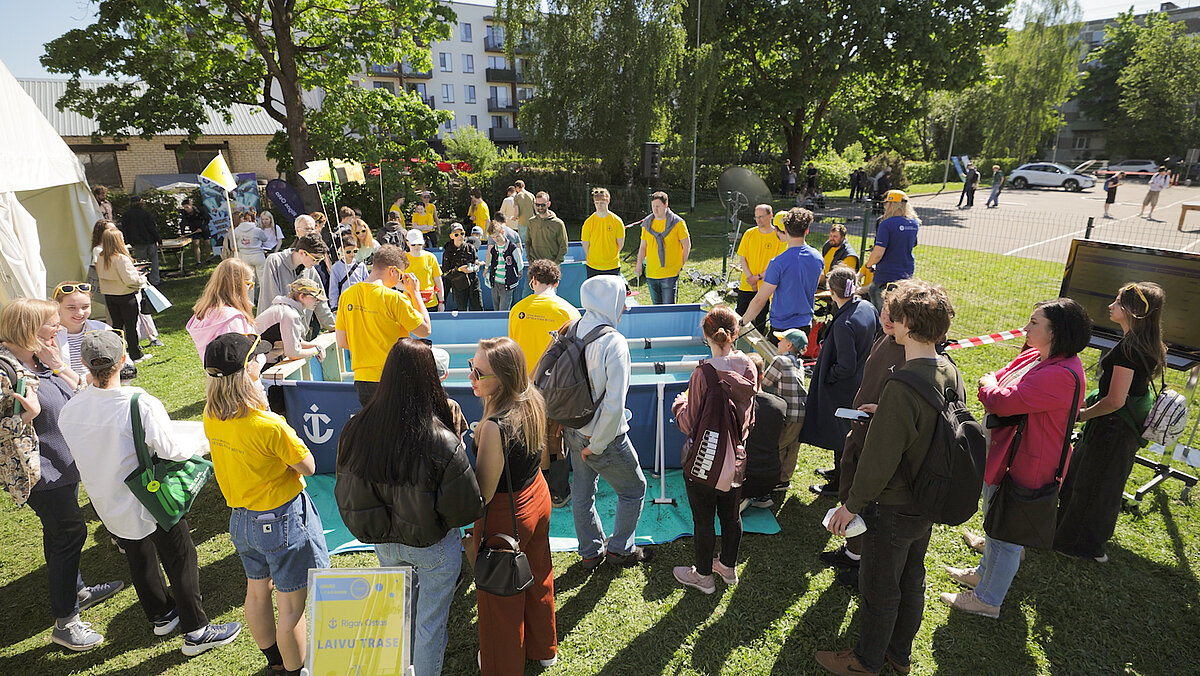
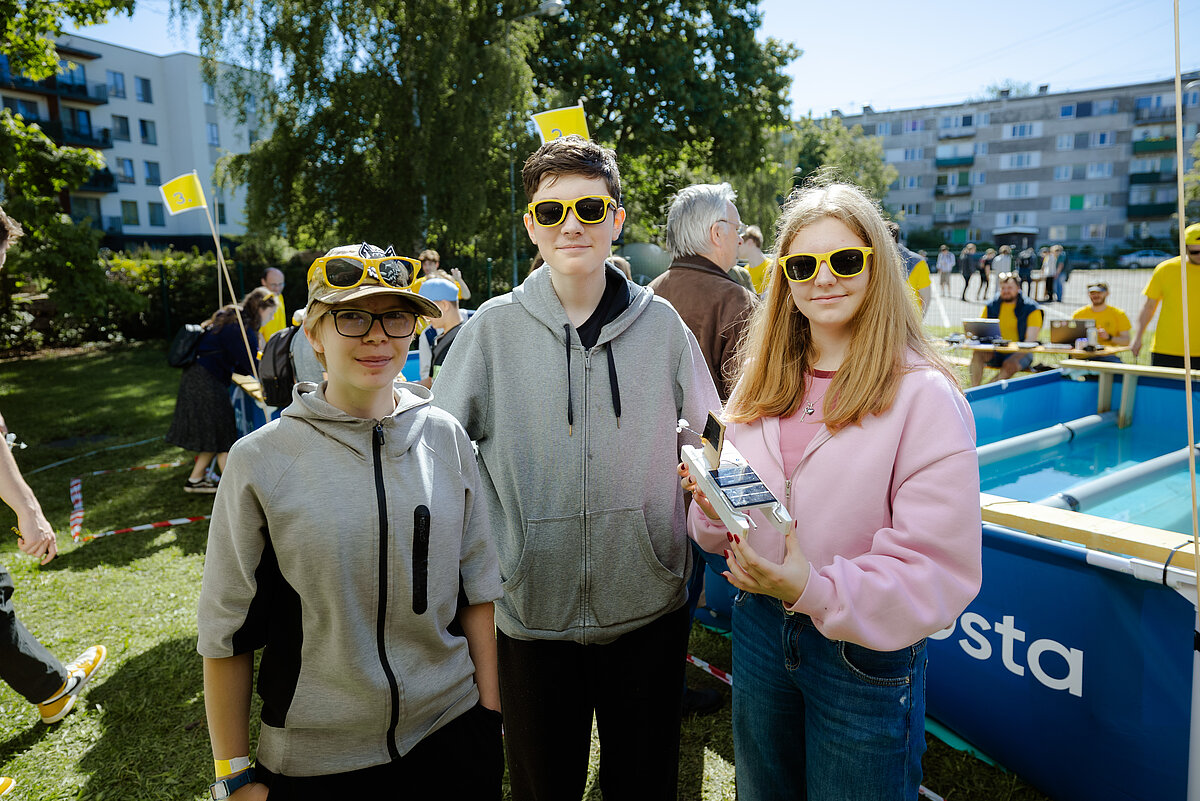
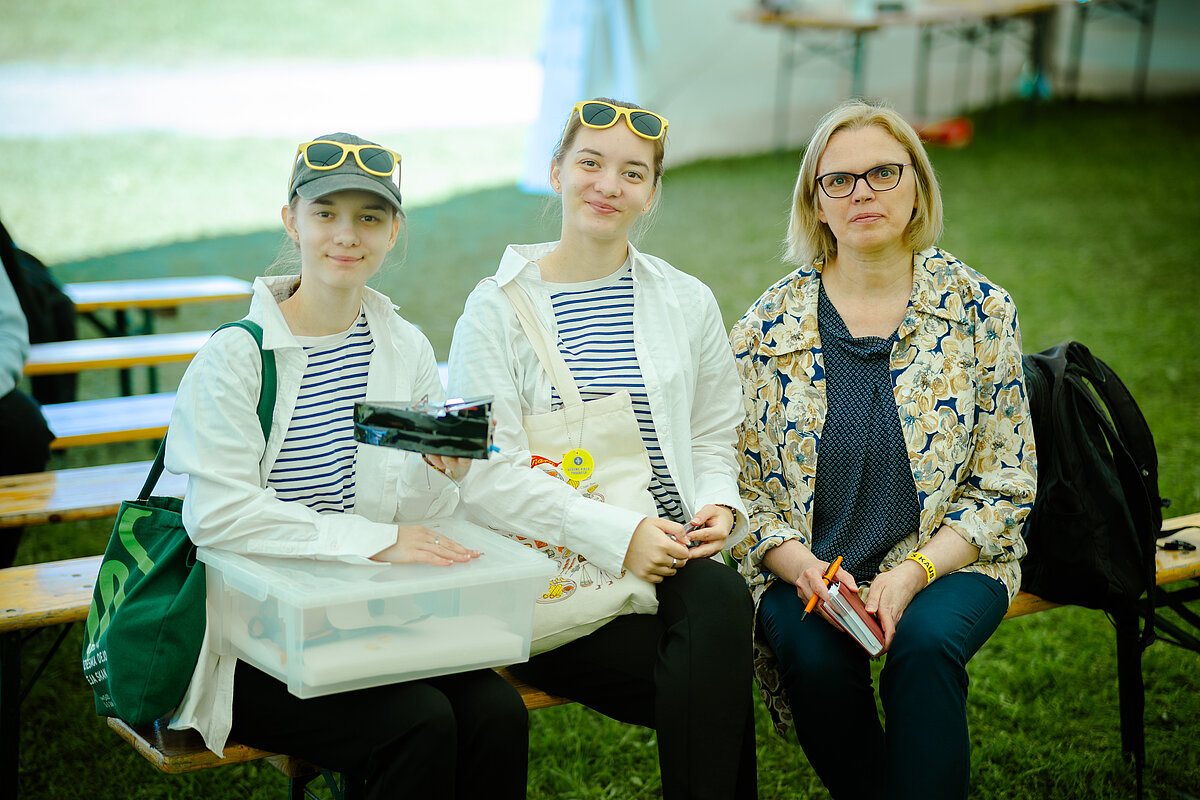
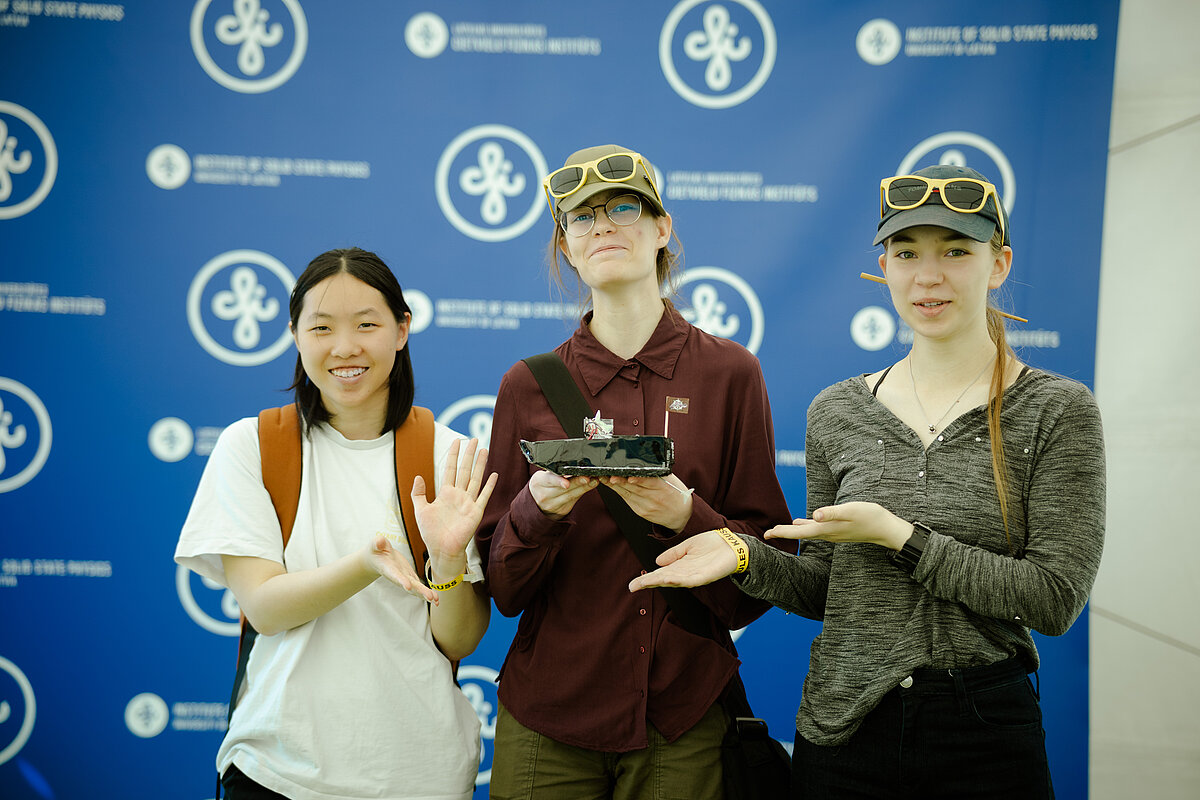
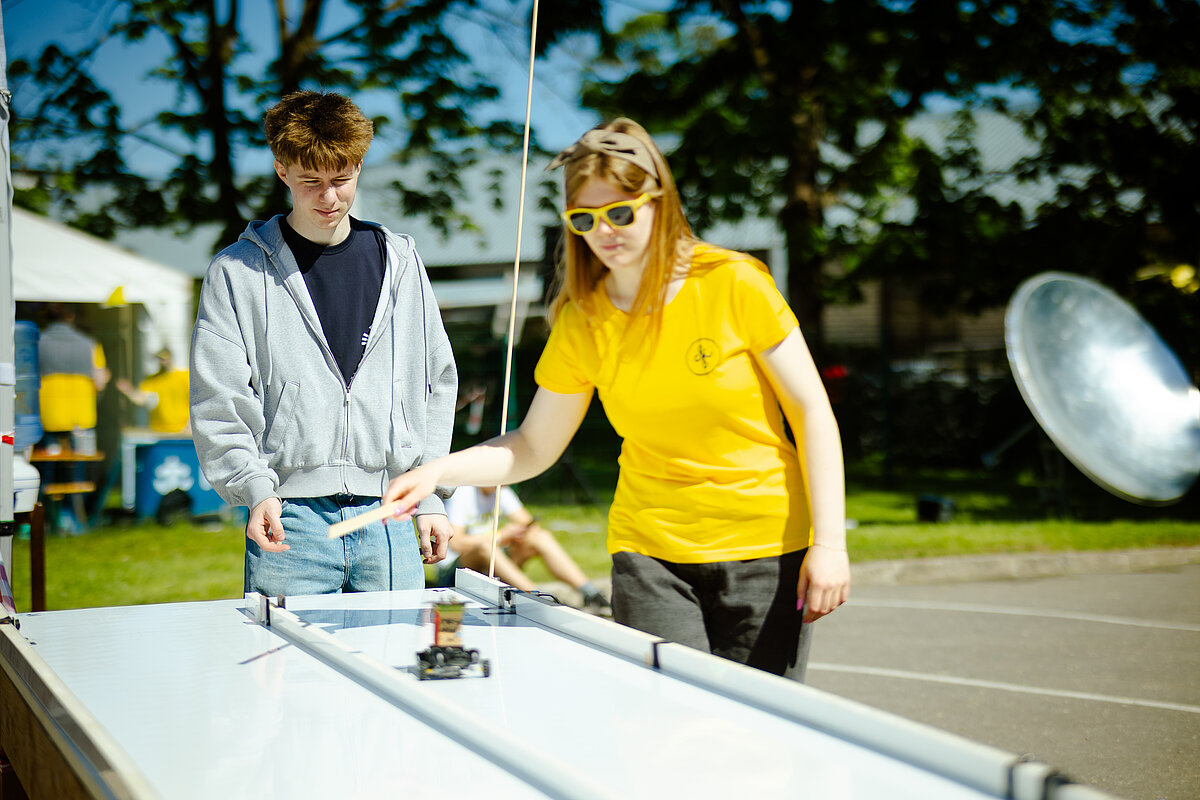
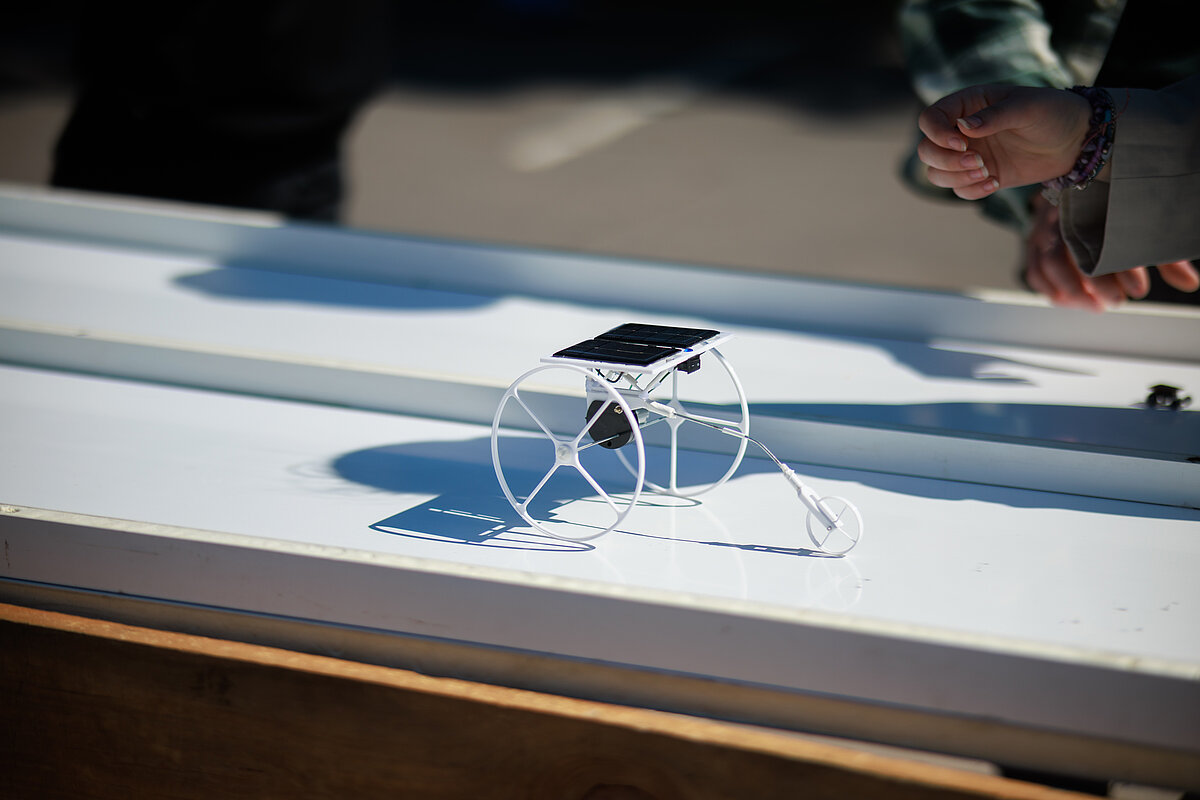
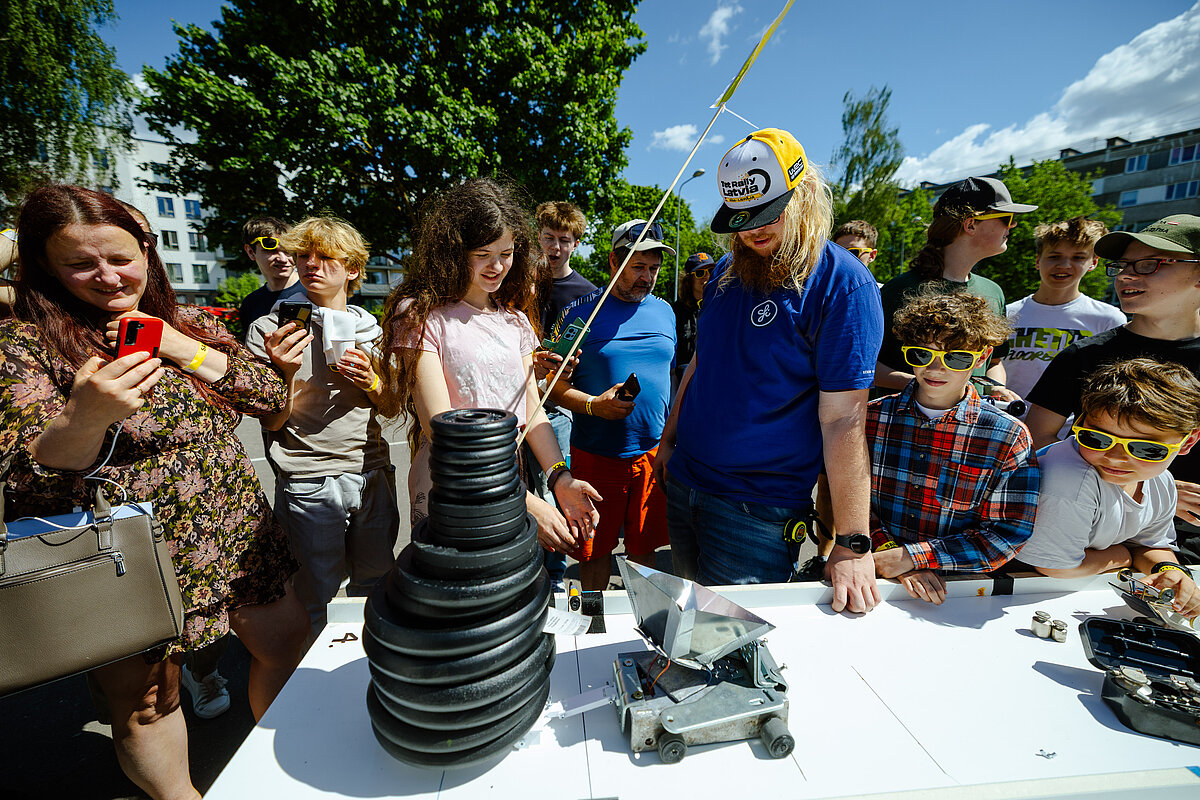
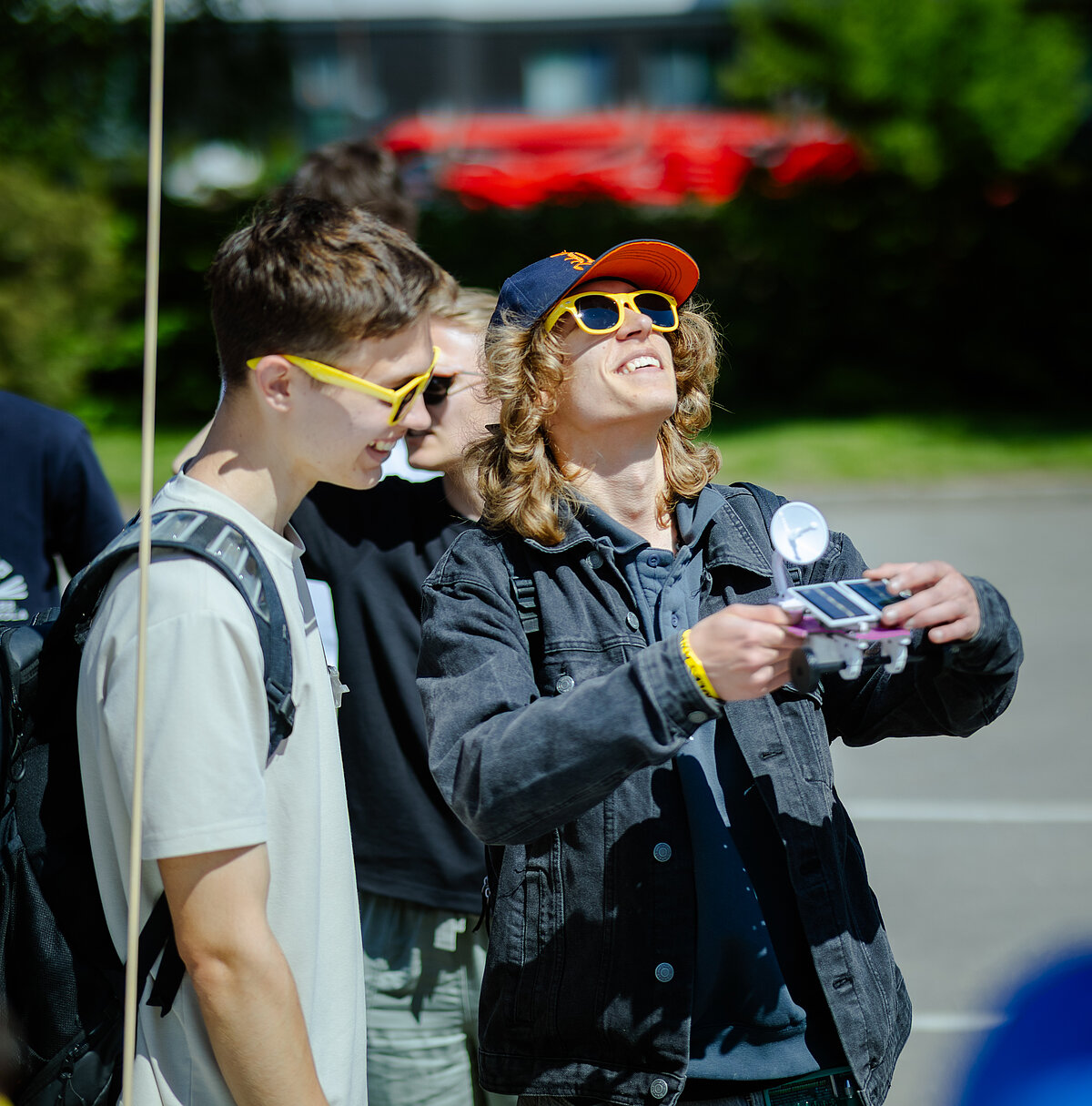
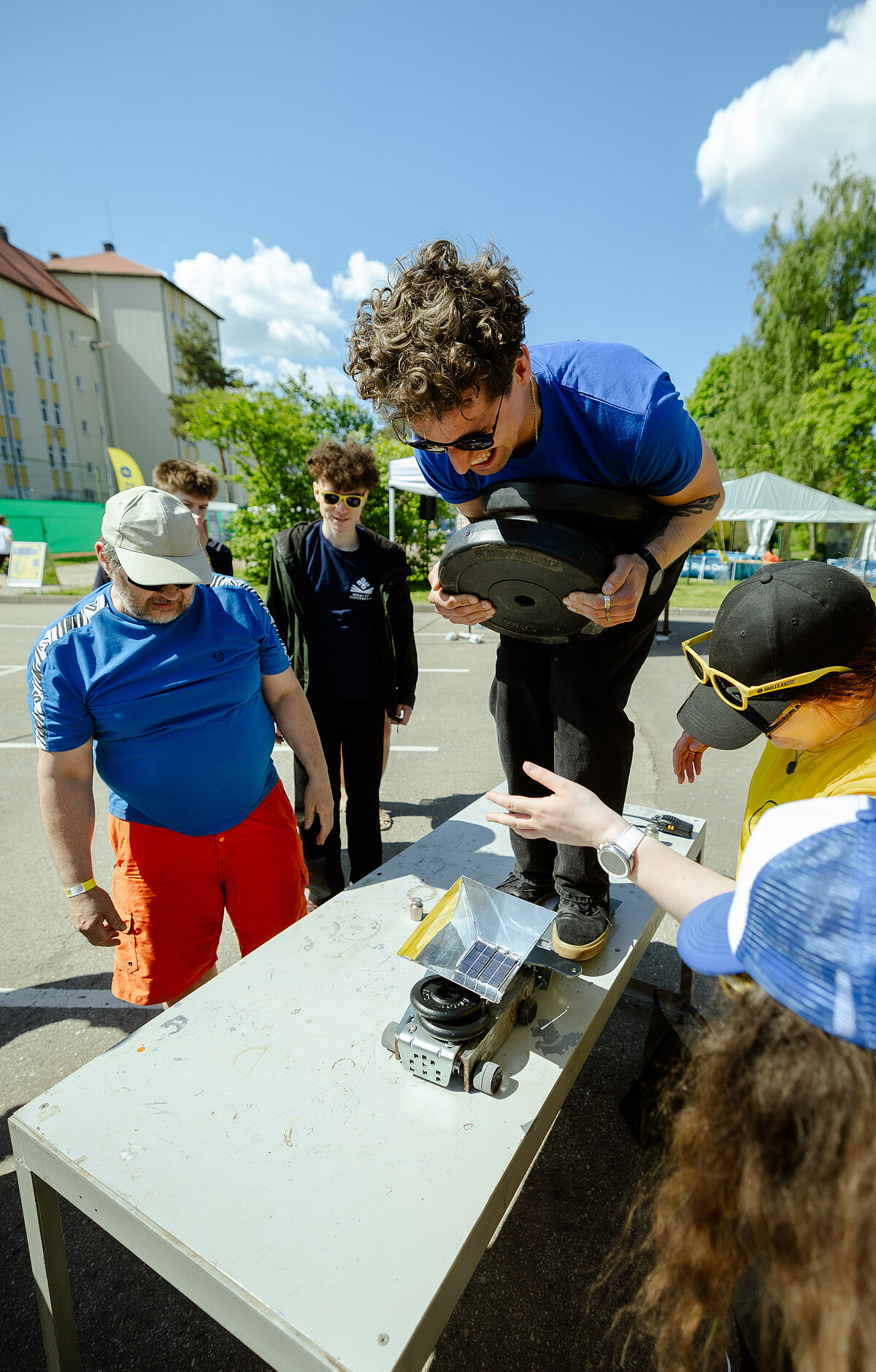
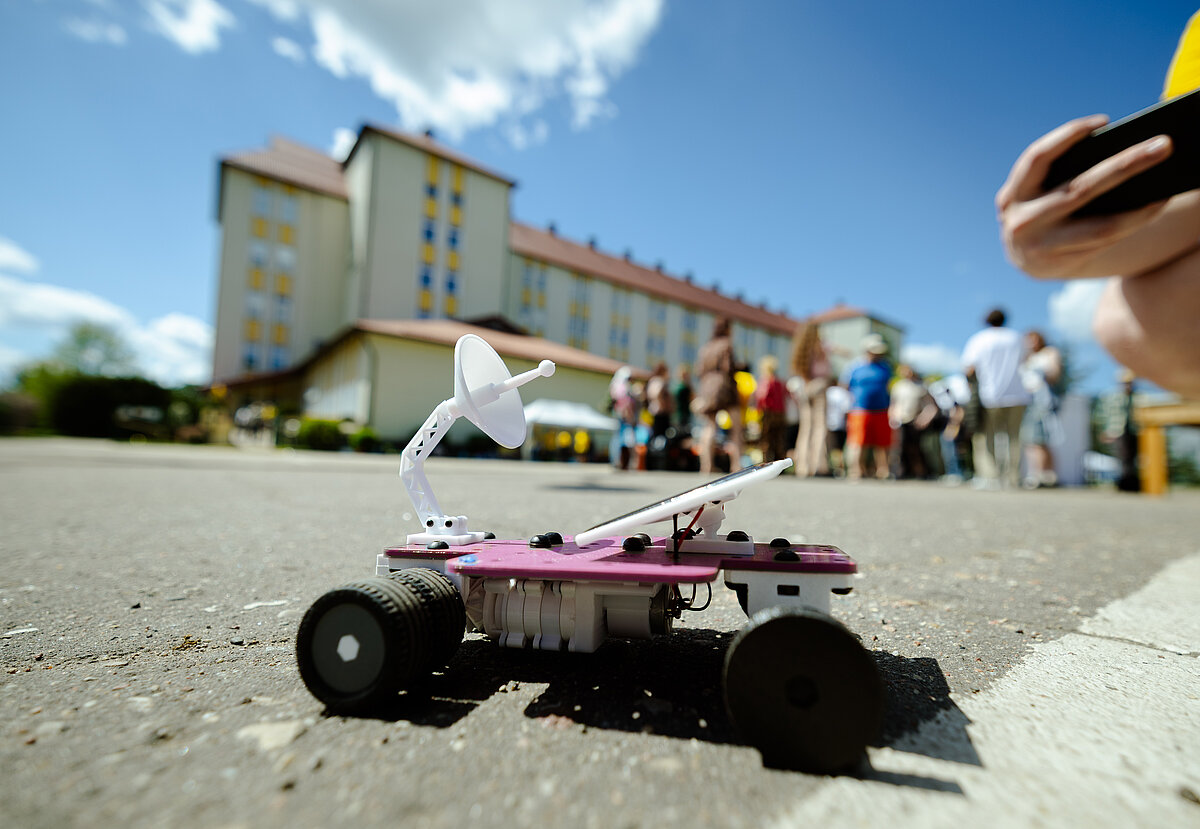
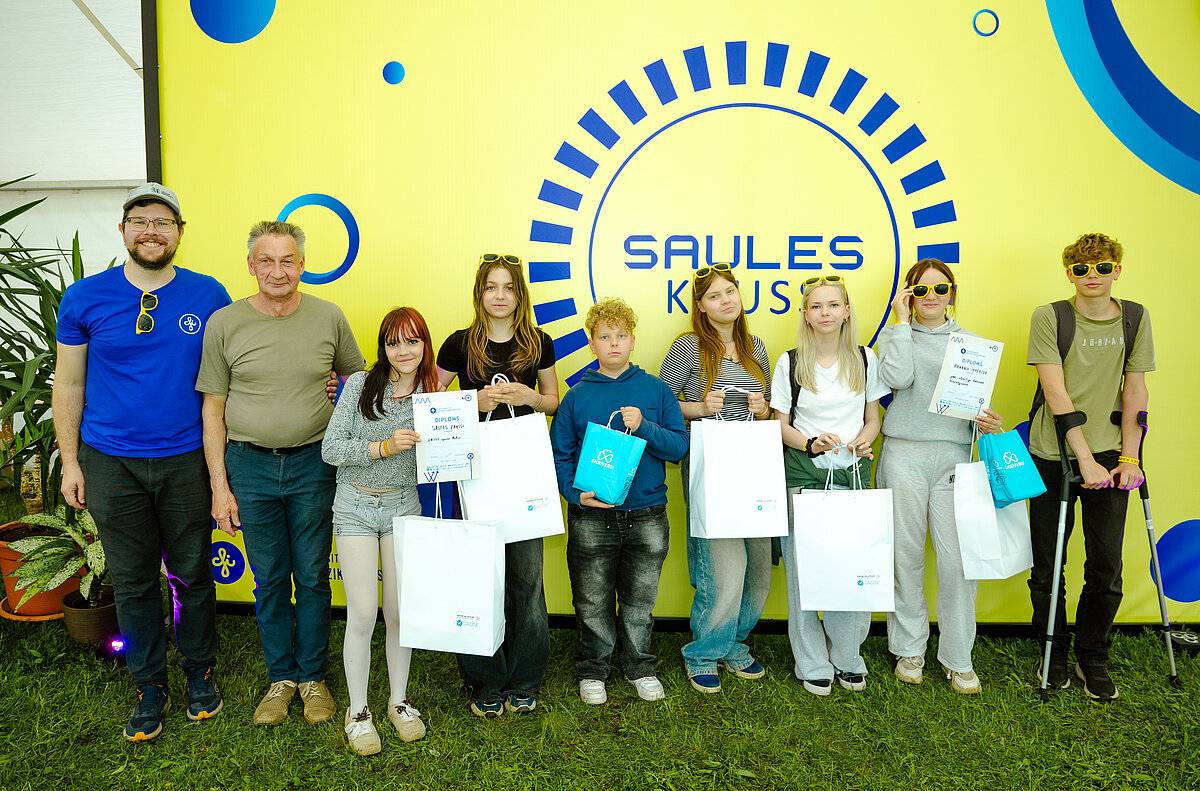
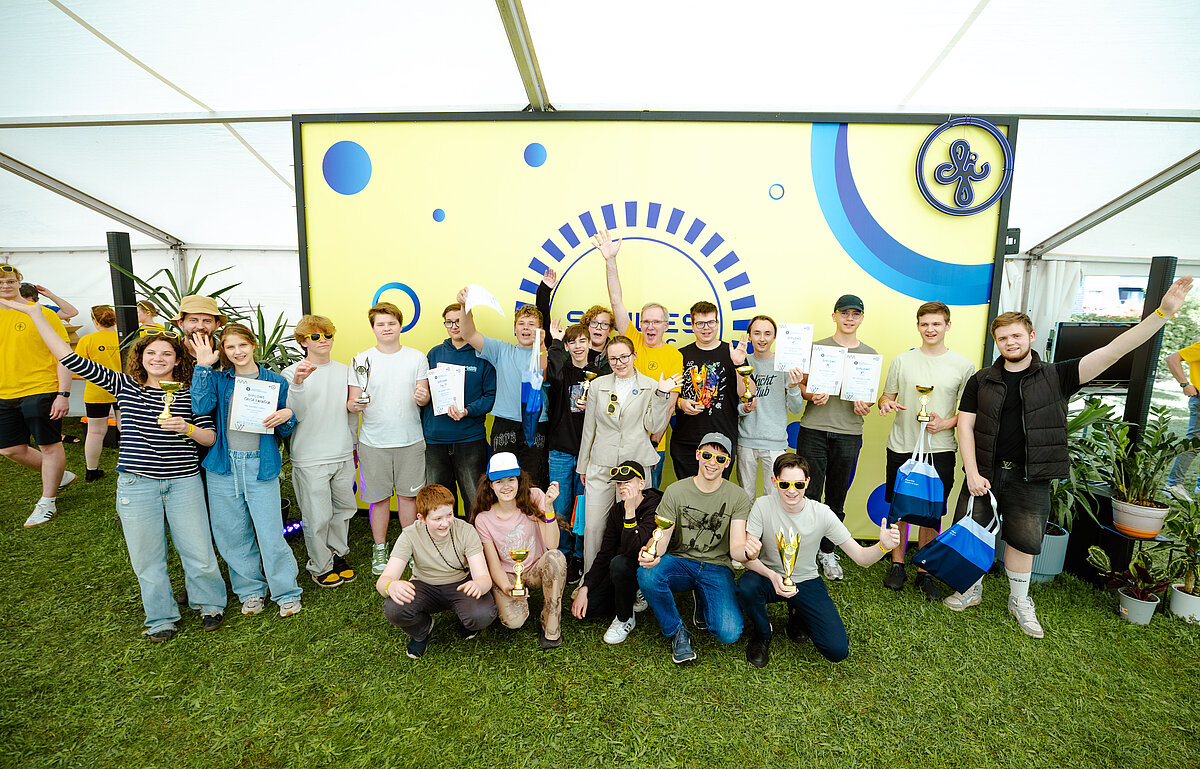
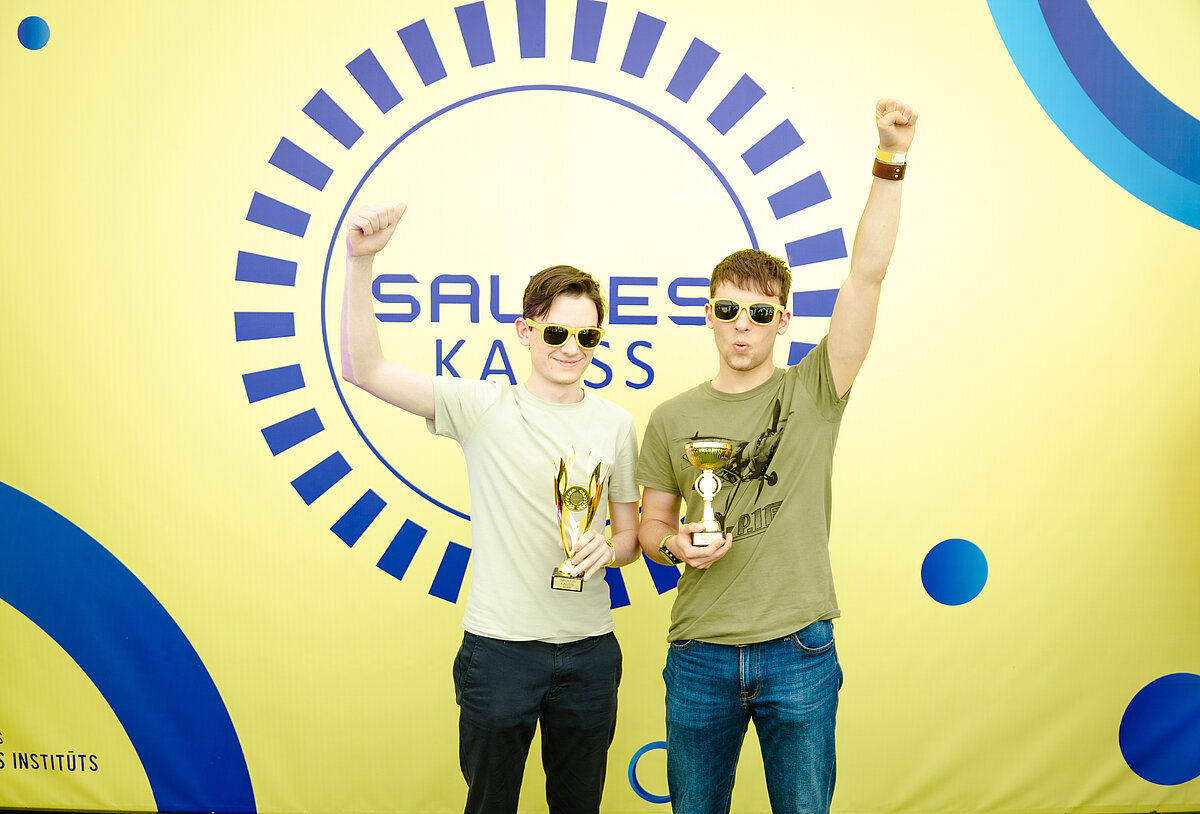
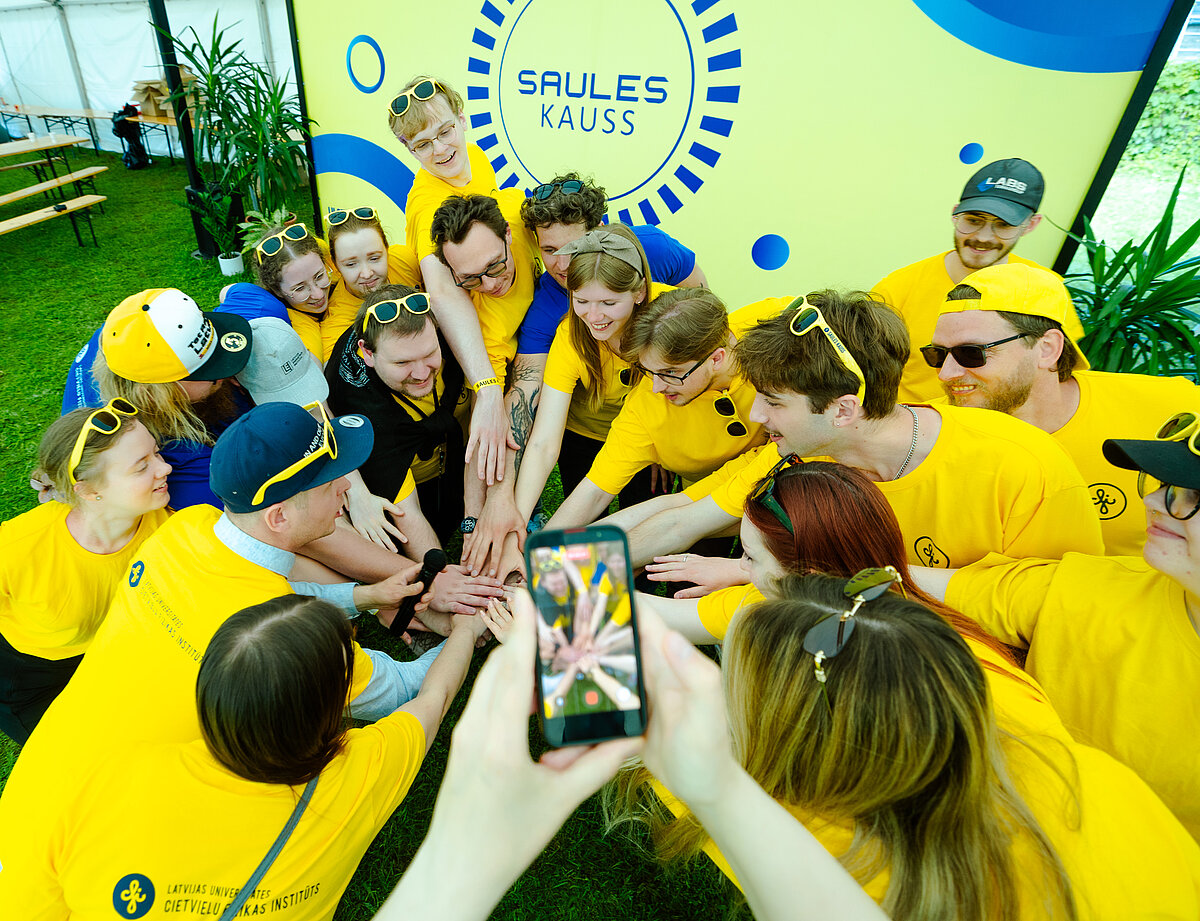
On Saturday, May 23, the Institute of Solid State Physics, University of Latvia (ISSP UL) was radiant with dynamic creativity and competitive spirit. Two hundred children gathered in the Institute's courtyard for the 18th annual Solar Cup 2026 competition. Students from grades 5 to 12 competed for speed and load capacity with self-built model vehicles powered directly by solar energy.
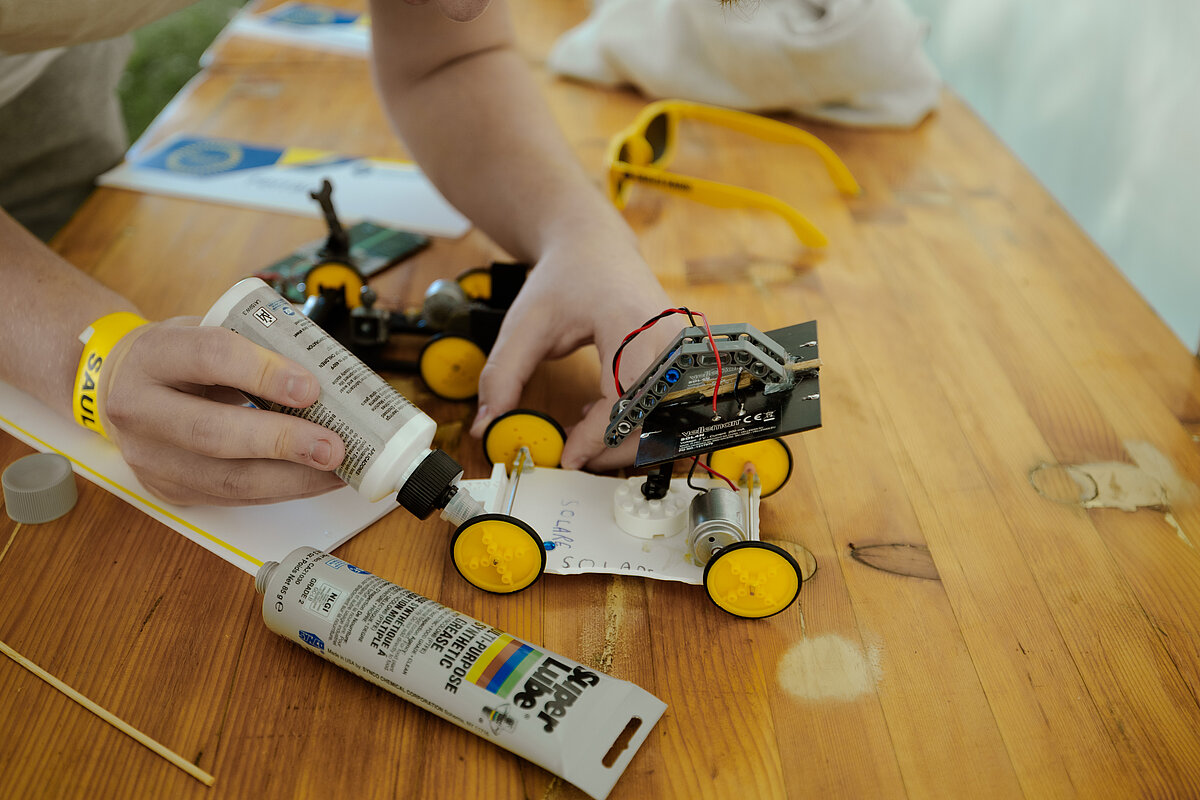
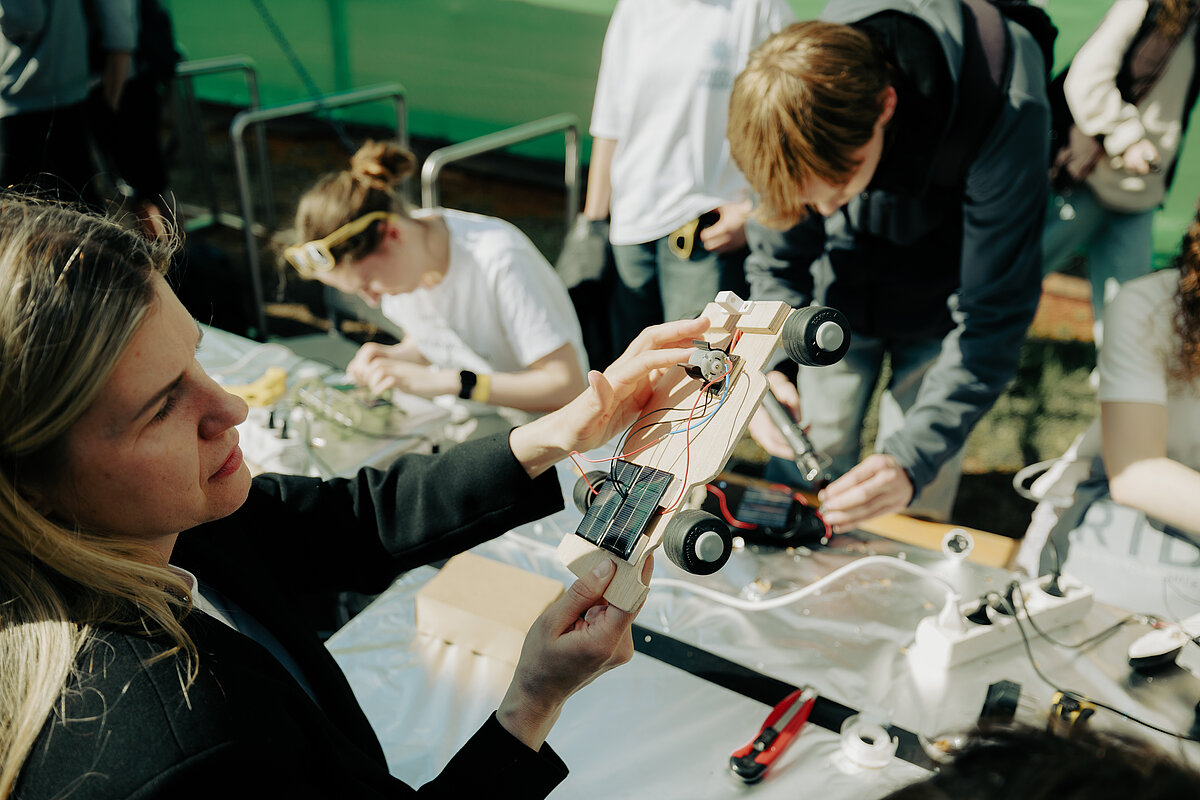
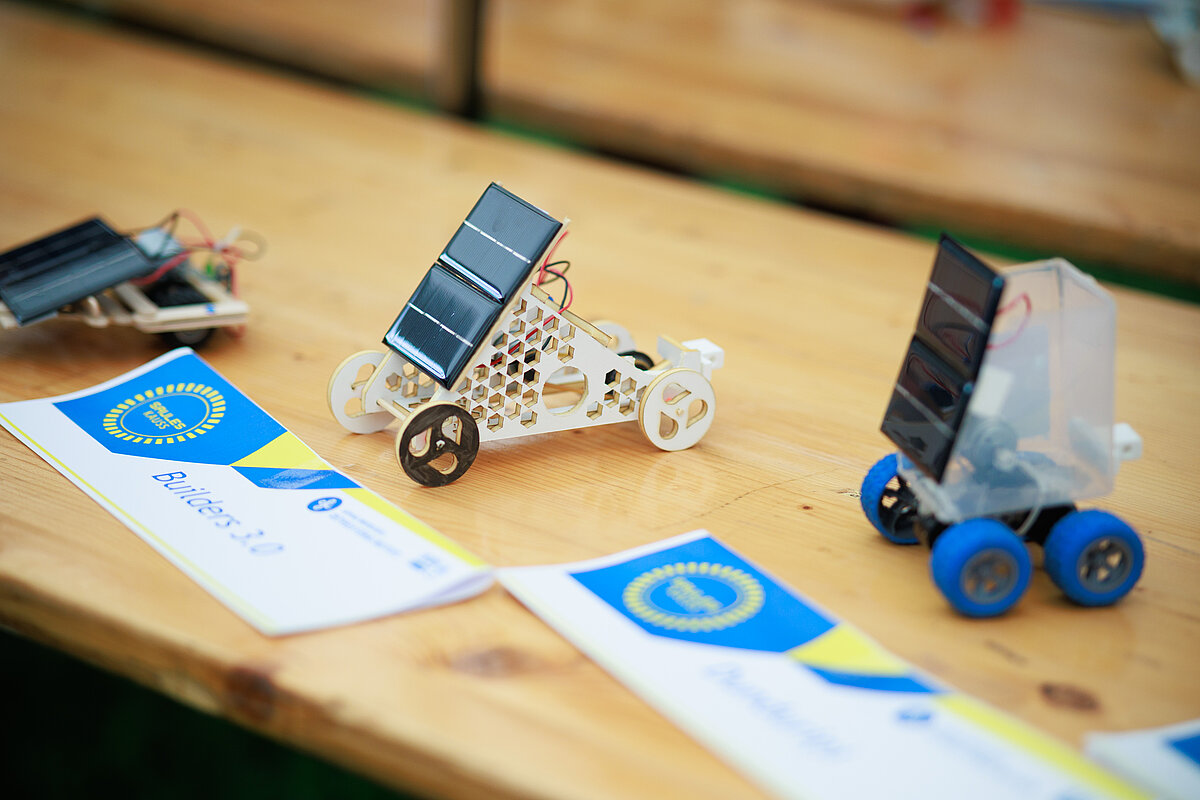
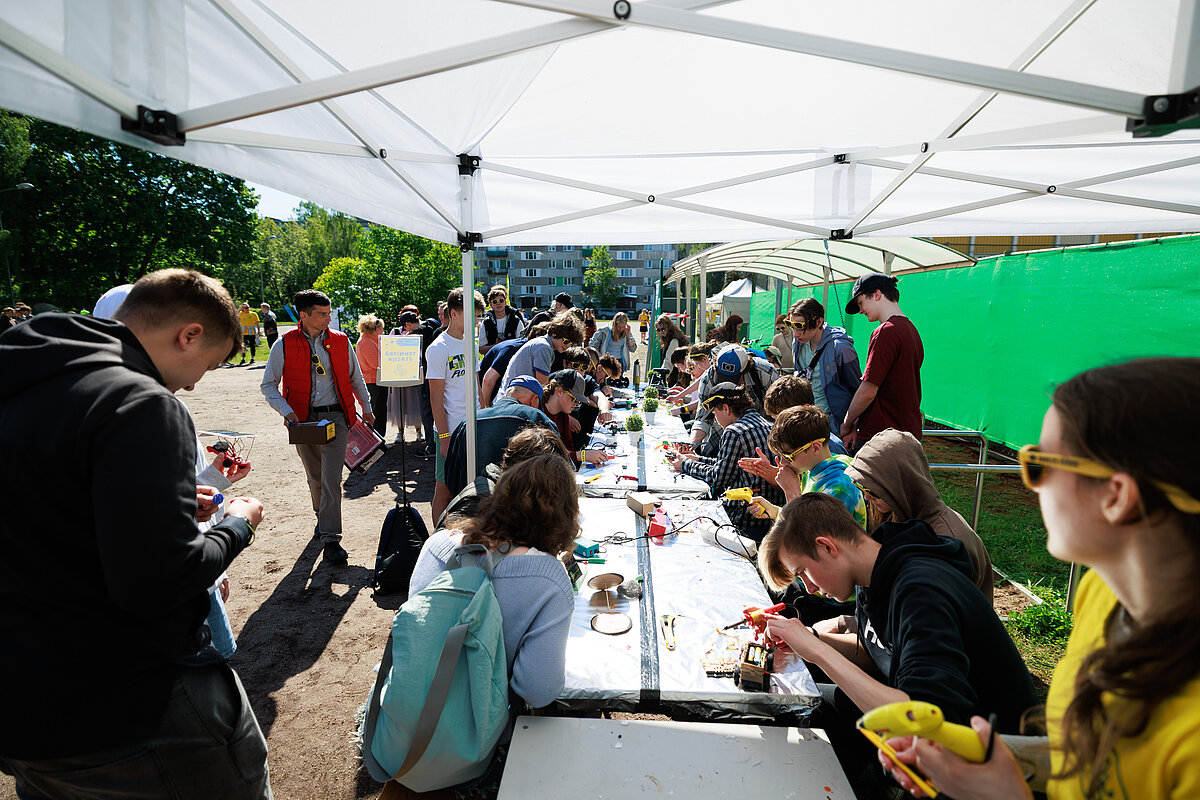
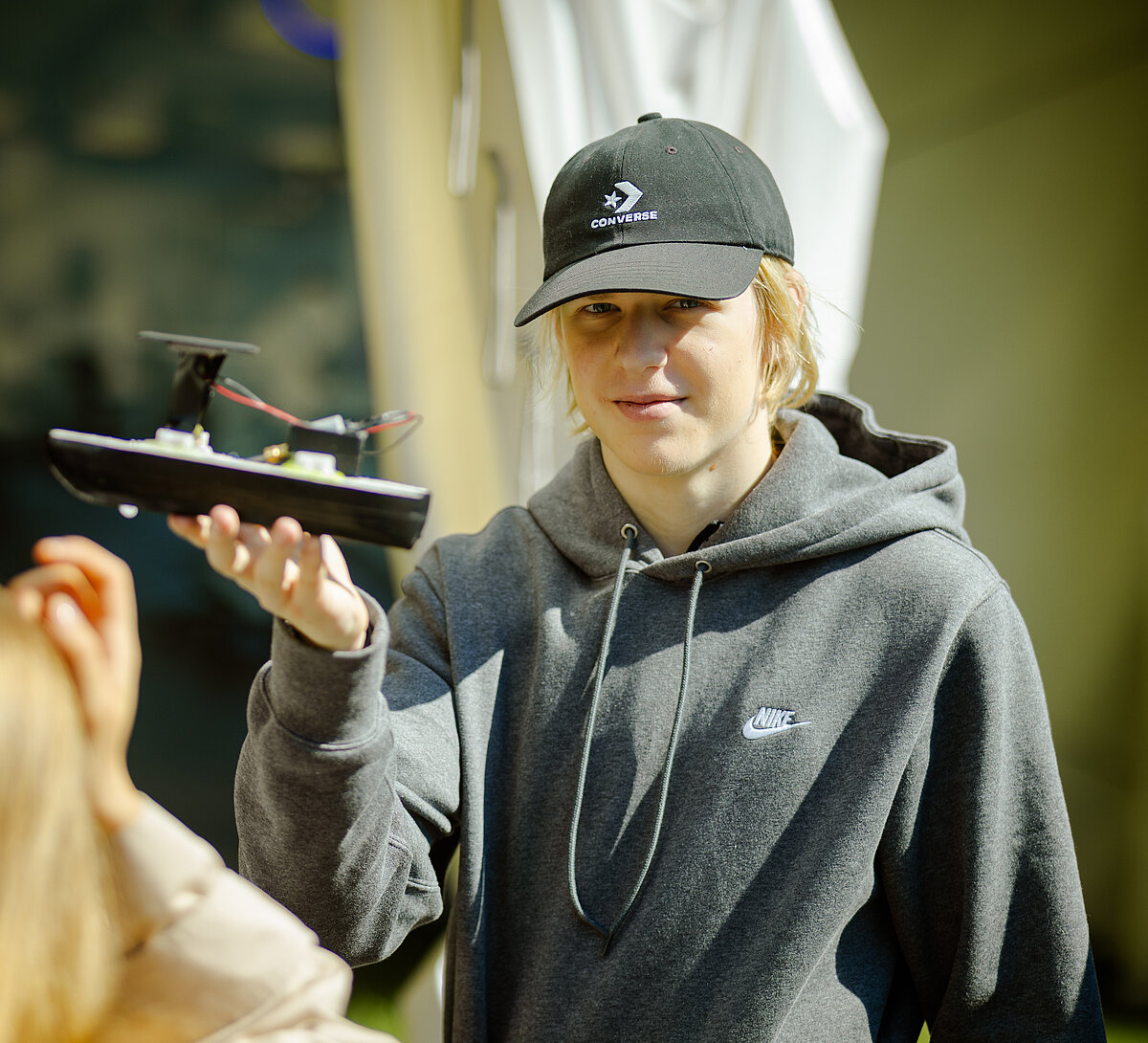
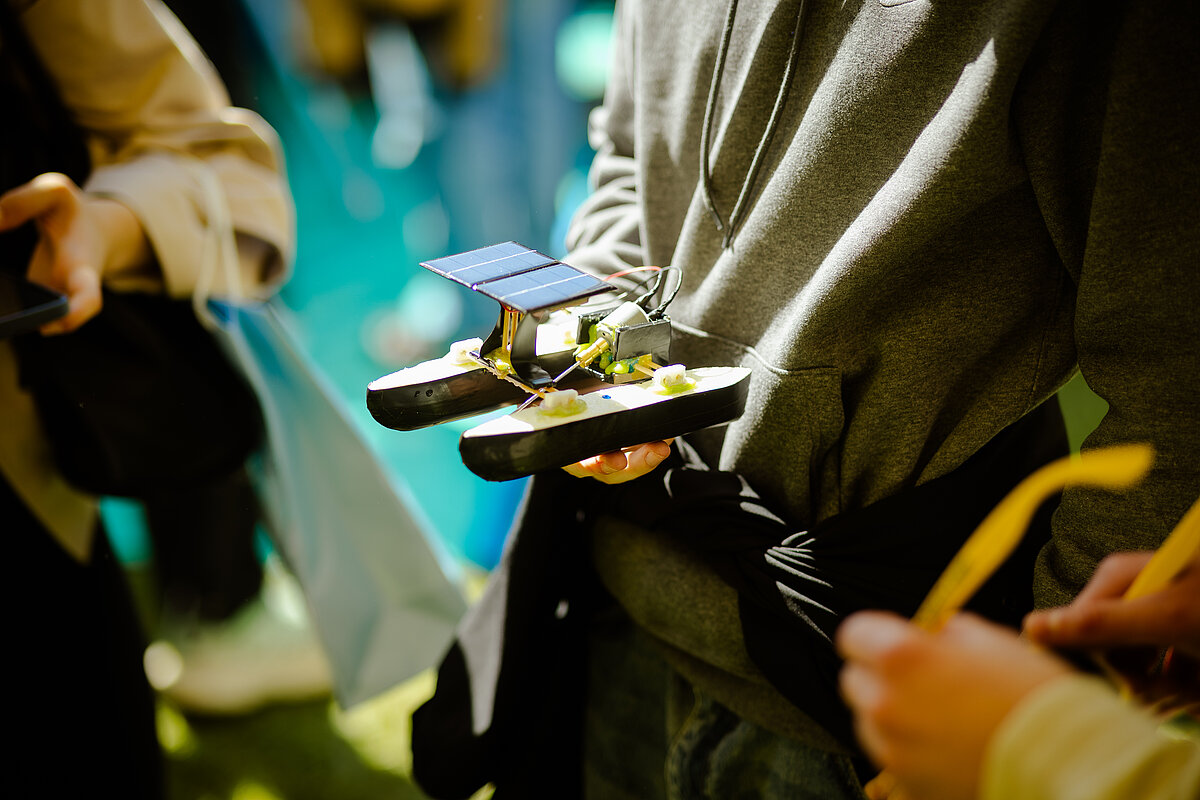
The first steps toward the competition began back in March. To ensure young people engaged practically in the full engineering process, the teams spent several months creating solar-powered cars or boats. They went from the initial idea and sketch to material selection, construction, testing, and model refinement, as the competition requires this process to be documented for extra points.
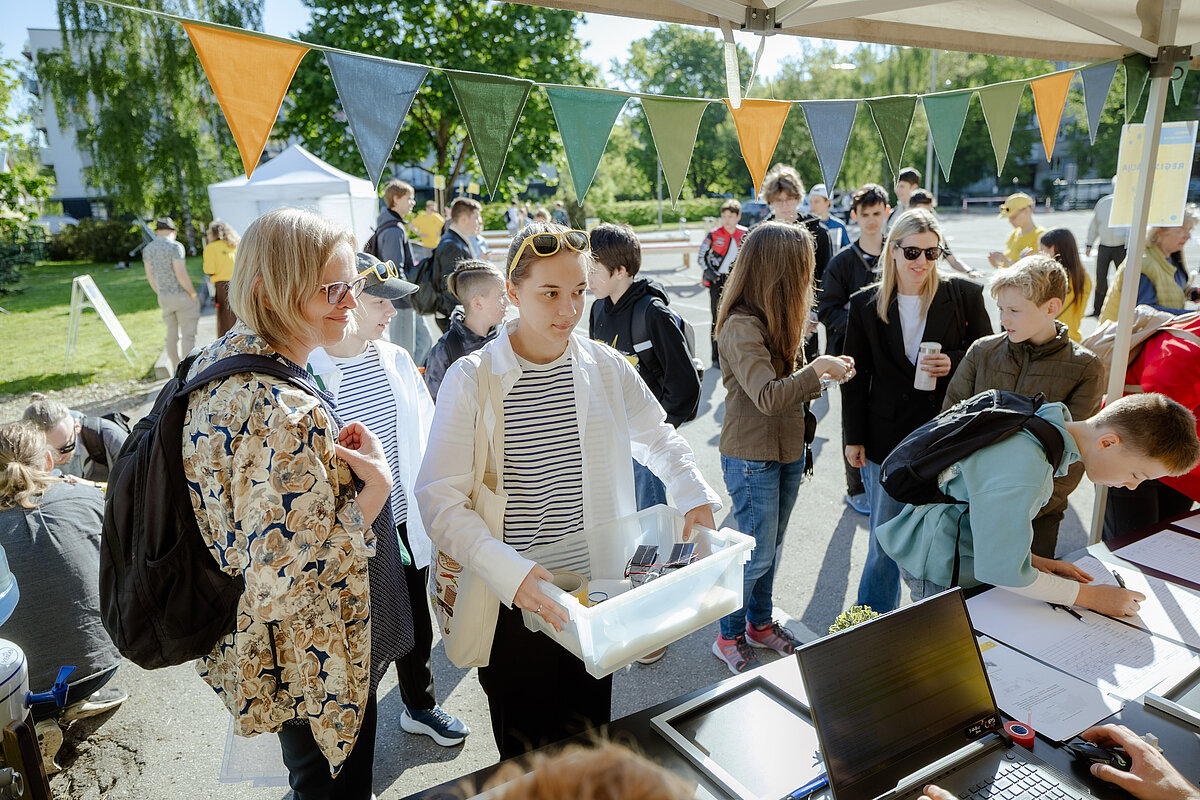
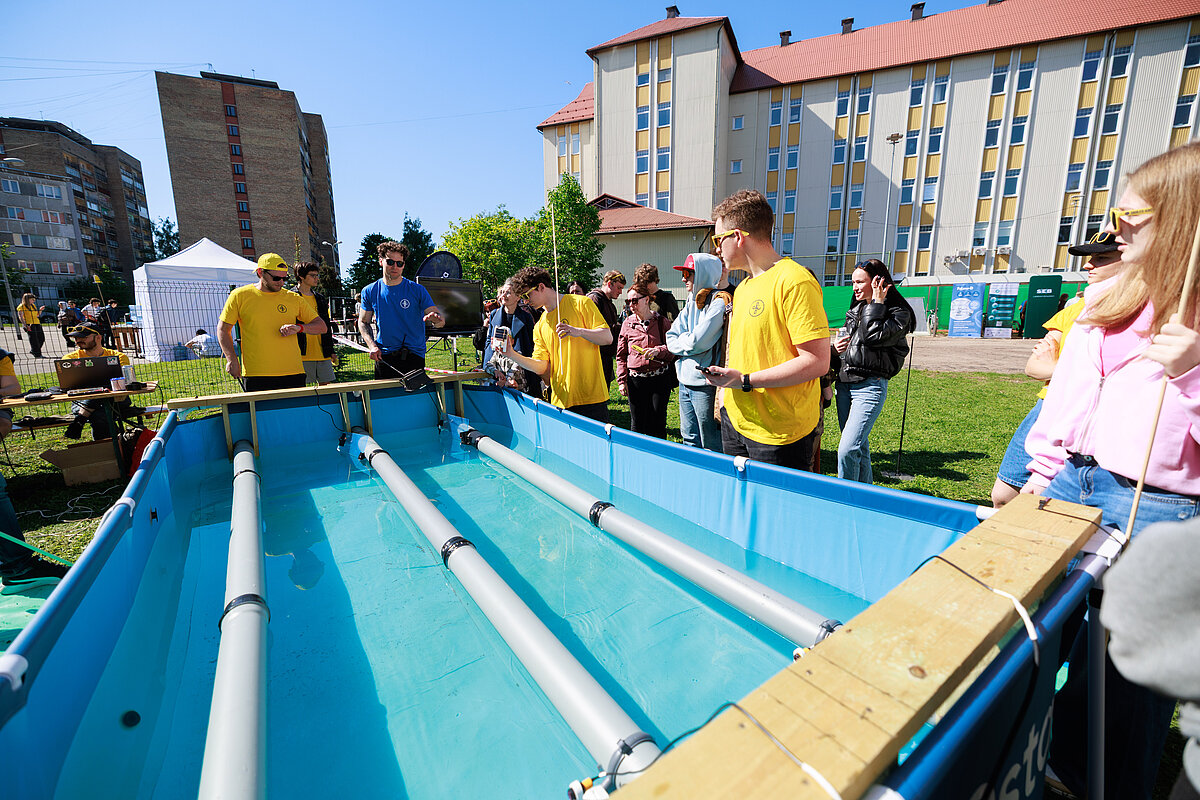
The sun-drenched competition day started around nine in the morning when the youth teams arrived for the event's opening and technical inspection to determine whether the prepared models met the requirements. Those who passed the inspection moved on to the car tracks and boat pools to take their starting positions in the speed disciplines which were followed by weight-pulling in the strength disciplines.
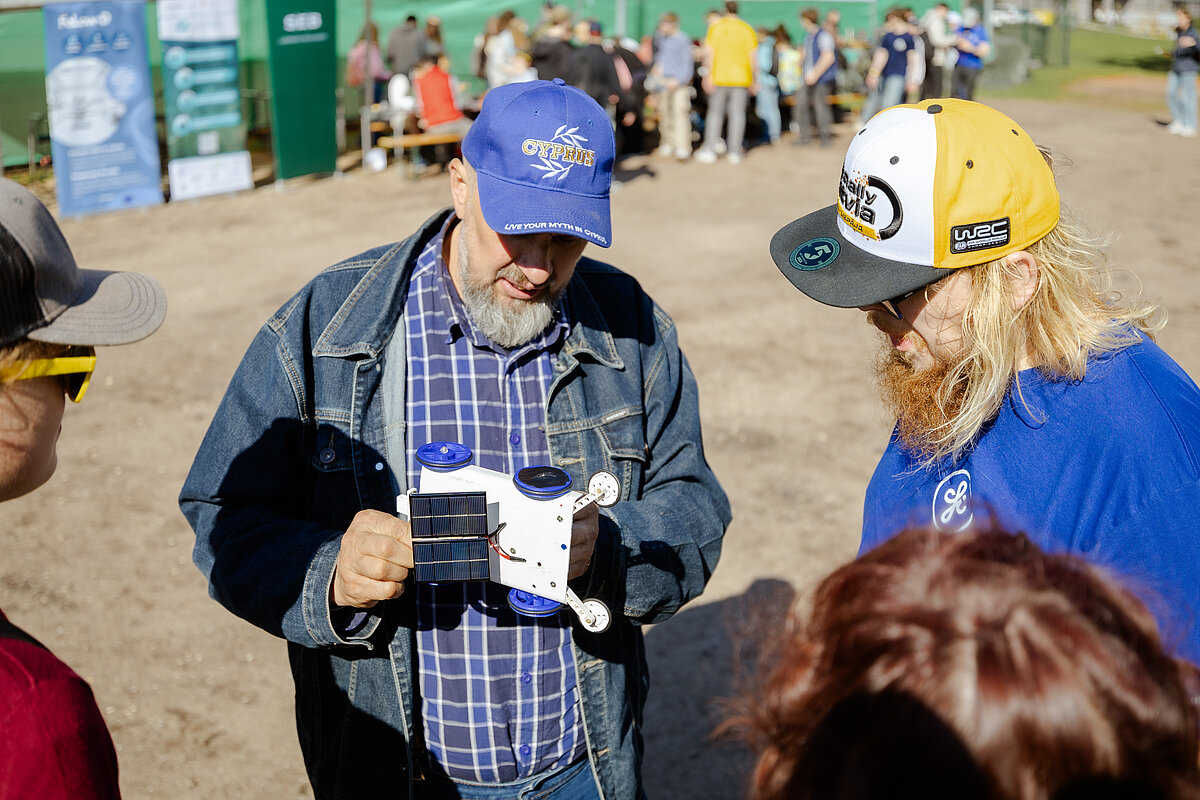
Participants also tested their ability to solve technical problems quickly – both by fixing faults with their models at the technical station and by solving test tasks on renewable energy resources, which secured additional points.
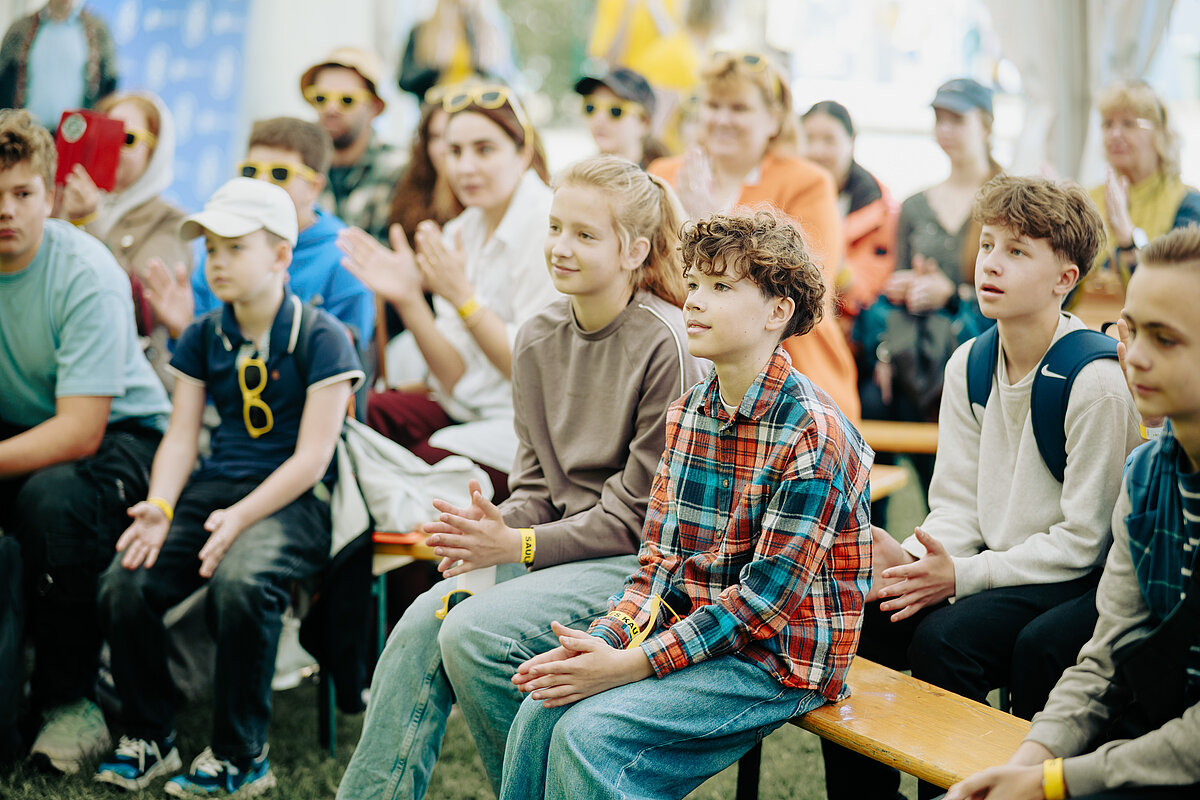
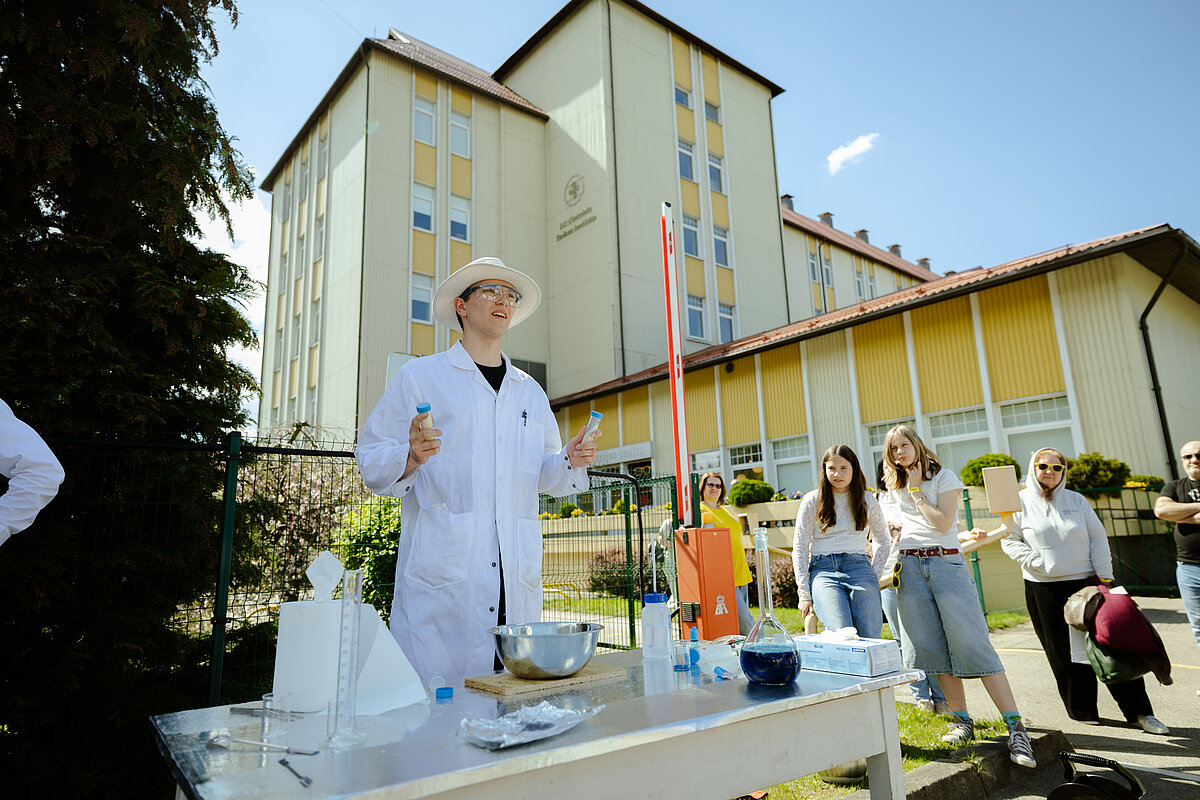
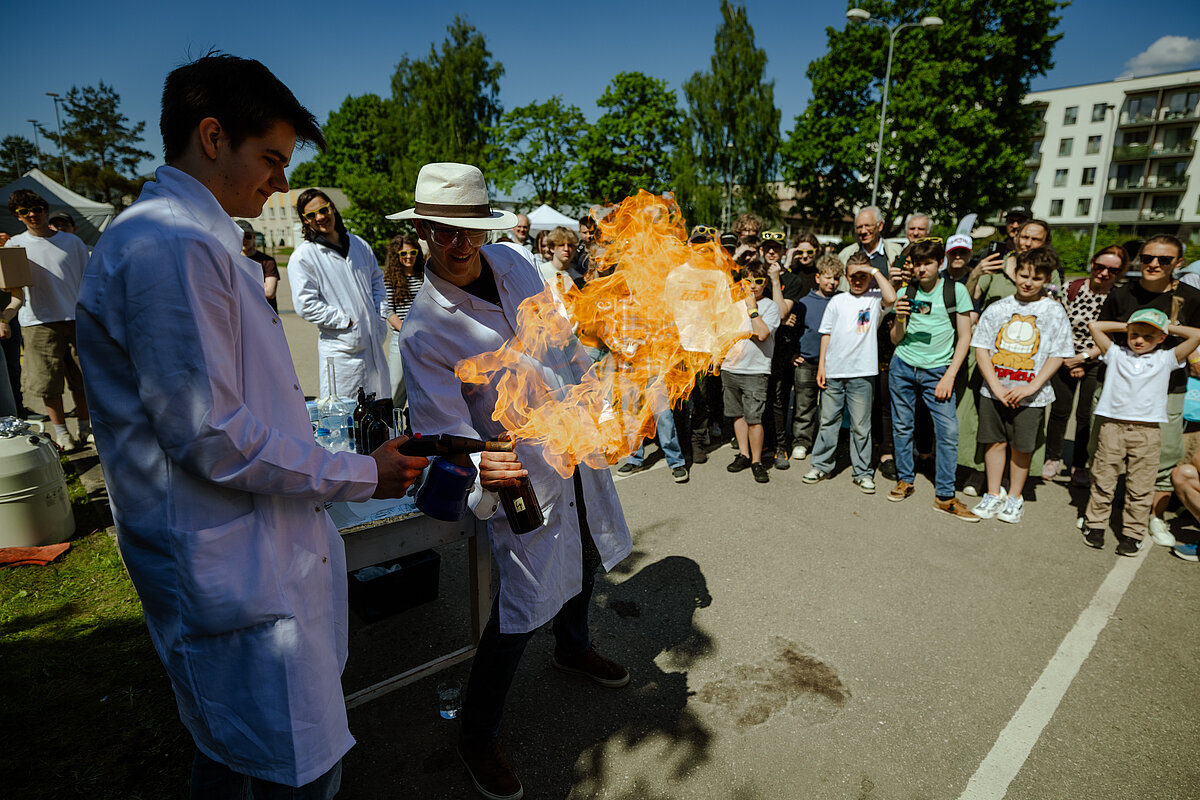
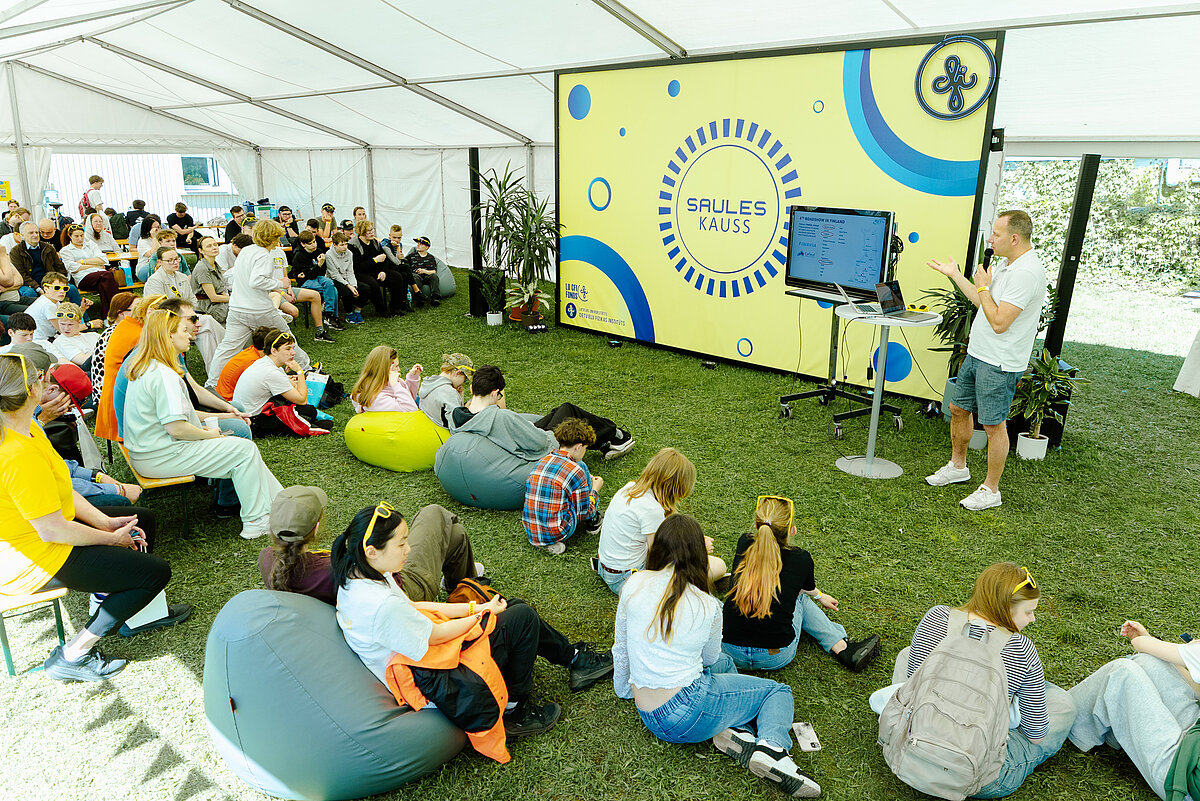
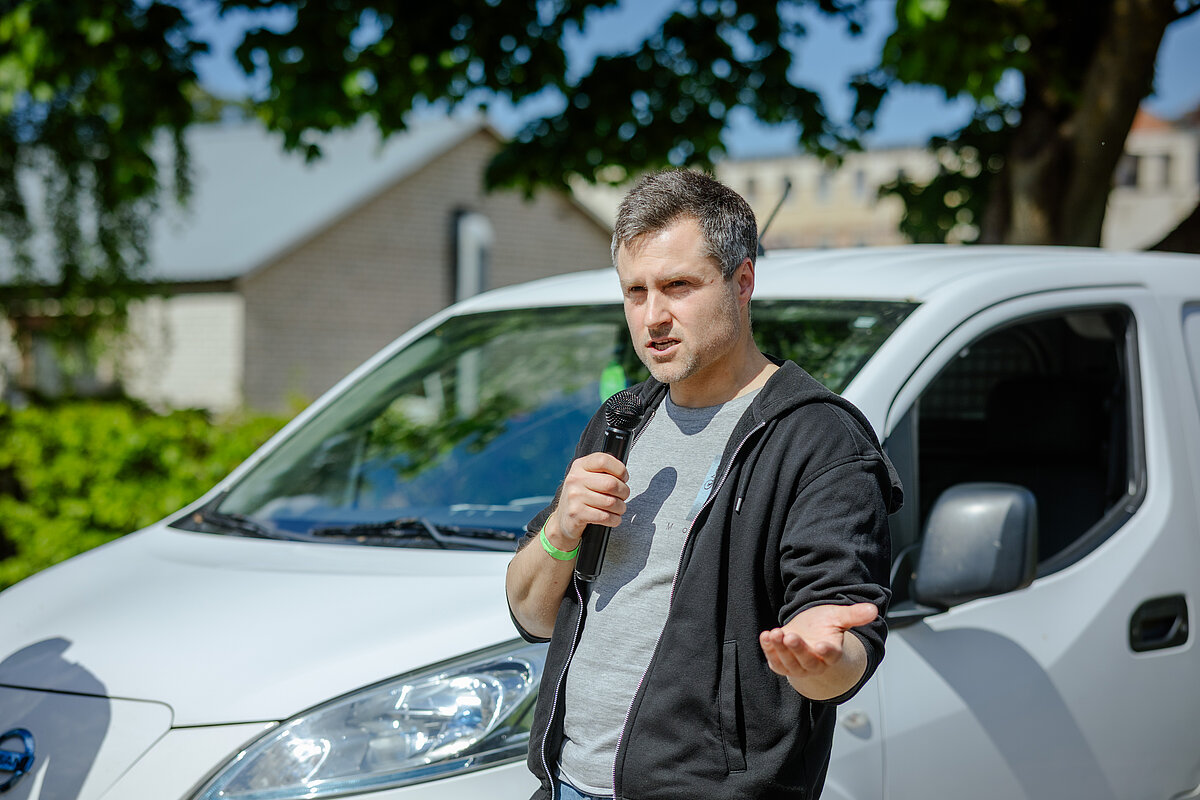
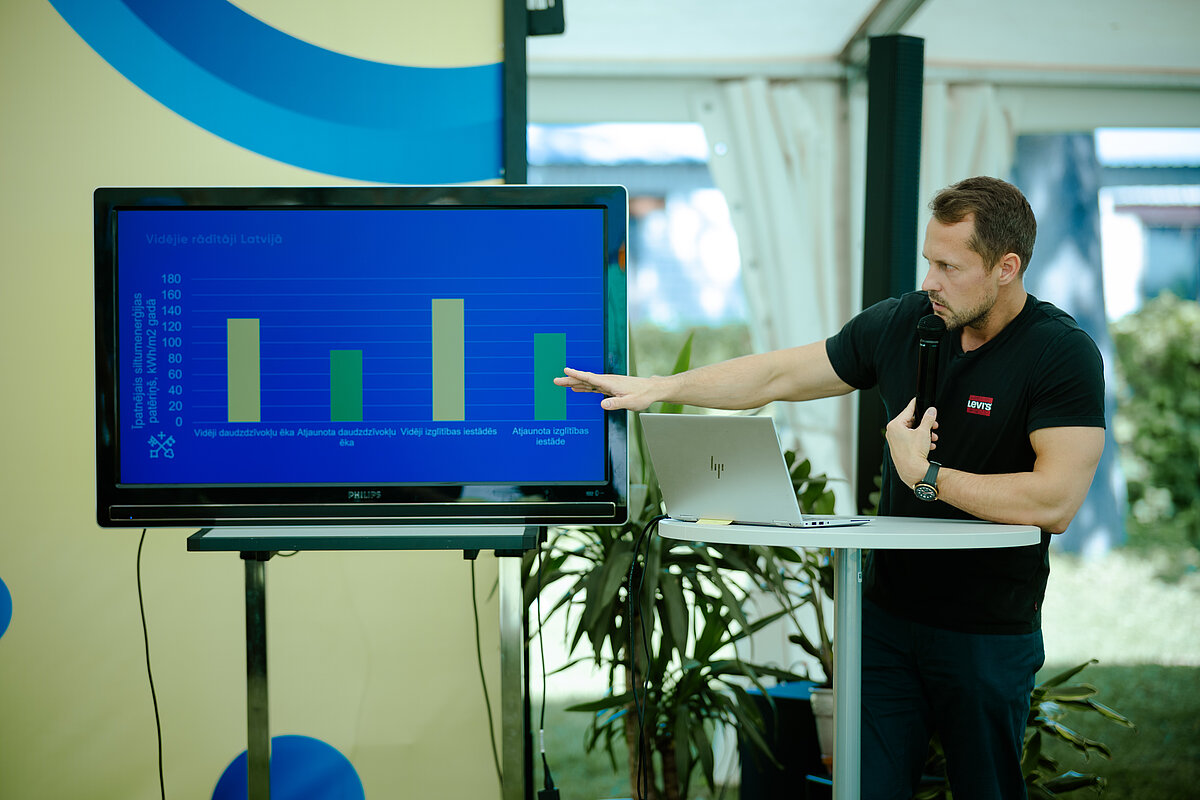
While the results were being compiled, students listened to educational lectures from the Riga Energy Agency, the Latvian Hydrogen Association, and the Latvian Electric Car Association. They also watched science experiment show by the student council of the RTU Faculty of Natural Sciences and Technology.
Every year, the competition clearly demonstrates that interest in technology and sustainable solutions continues to grow in Latvian schools. This year, all of Latvia was represented at the event – from the capital to the regions, bringing together enthusiasts from Liepāja, Ventspils, Kuldīga, Jelgava, Valka, Valmiera, Cēsis, Koknese, Ilūkste, and Daugavpils.
For ISSP UL, organizing such competitions is not only a source of positive emotions; it is strategically significant for shaping the next generation of scientists and engineers, as well as reinforcing the Institute's role as a leading centre for science and sustainable technologies that brings these topics to the wider public.
We express our immense gratitude to all participants for their passion and creative thinking, as well as to the teachers and parents who helped the youth prepare for the competition – we hope to see the same and new faces in future Solar Cups!
Thank you also to the friends of the event – Riga Freeport, Riga Energy Agency, UL Foundation, and ISSP UL Foundation. Great prizes were provided by the competition's partners – SEB Banka, RIX Riga Airport, Elektrum, Getliņi EKO, Skrīveru saldumi, Eco-Buddy, as well as the projects LACISE, FeLow-D, H2Value, and H2VE.
