
Looking back at 2025, the Institute of Solid State Physics, University of Latvia (ISSP UL) offers an overview of the year’s most notable and significant achievements.
Awards for Research Excellence
In 2025, the professional excellence of ISSP UL researchers was highly recognised both in Latvia and internationally. At the beginning of the year, the Latvian Academy of Sciences (LAS) awarded the authors and research teams behind the most significant scientific achievements of the previous year. Among those awarded were our leading researchers Roberts Eglītis, Juris Purāns, and Anatolijs Popovs for their studies on the potential of graphene, batteries, superconductivity, and photocatalysis. In addition, Juris Purāns received the Grand Medal – the highest distinction of the Latvian Academy of Sciences – for outstanding research achievements.
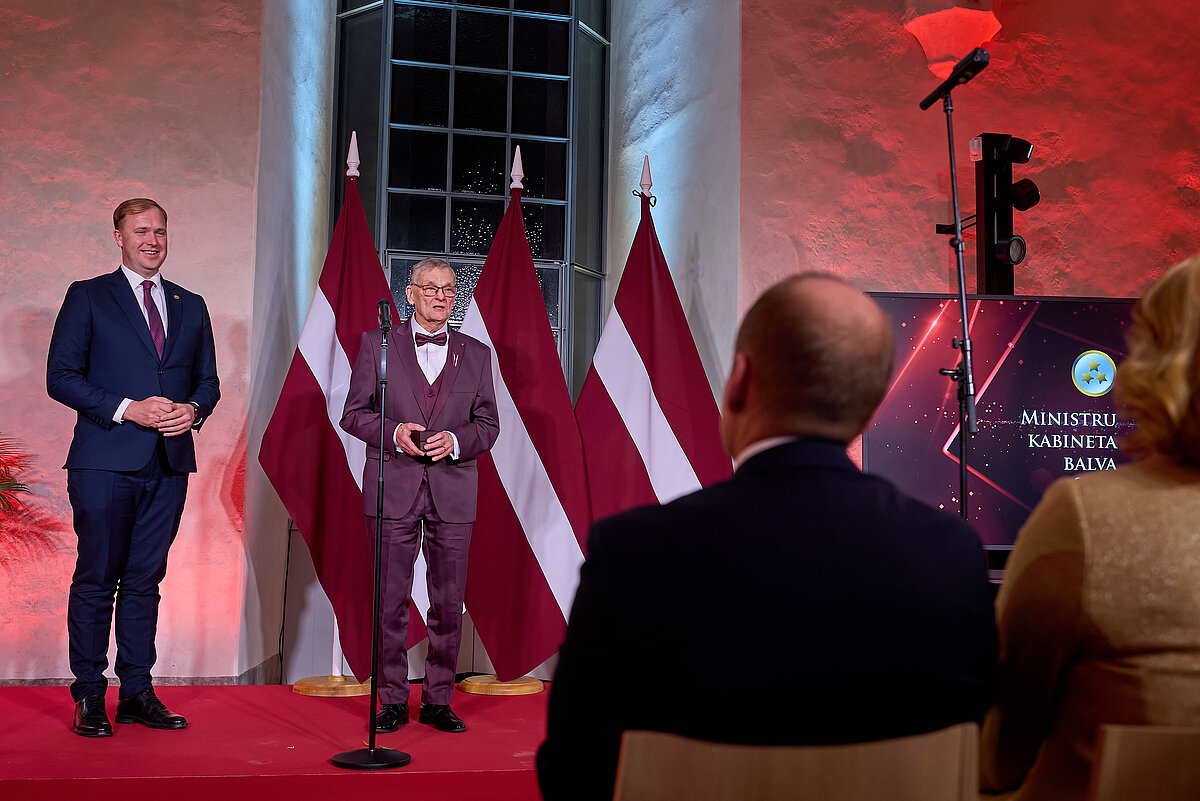
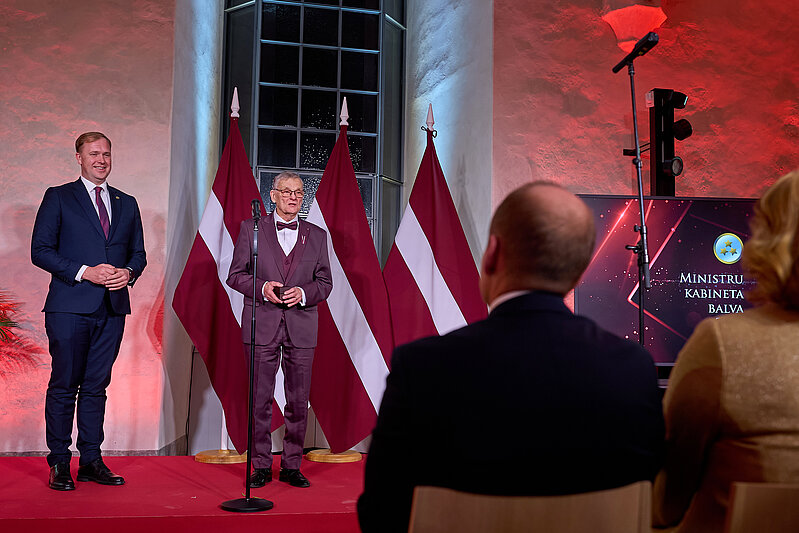
On the international stage, Andrei Kholkin, Head of the ERA-Chair project FeLow-D, was awarded the IEEE “Robert E. Newnham Ferroelectrics Award” for lifetime contributions to ferroelectrics science – one of the most prestigious honors in this research field. At the end of the year, during a special ceremony, the Cabinet of Ministers presented an award for outstanding lifetime contributions to materials science and nanotechnologies to Andris Šternbergs, Deputy Director for Science at ISSP UL.
Another important milestone was the decision of the LAS to elect Andris Anspoks, Director of ISSP UL, and Anatolijs Šarakovskis, Head of the Spectroscopy Laboratory, as full members, while Gints Kučinskis, Head of the Energy Materials Laboratory, was elected as a corresponding member – reaffirming the significant contribution of ISSP UL researchers to the development of science in Latvia.
Success in Projects and Competitions
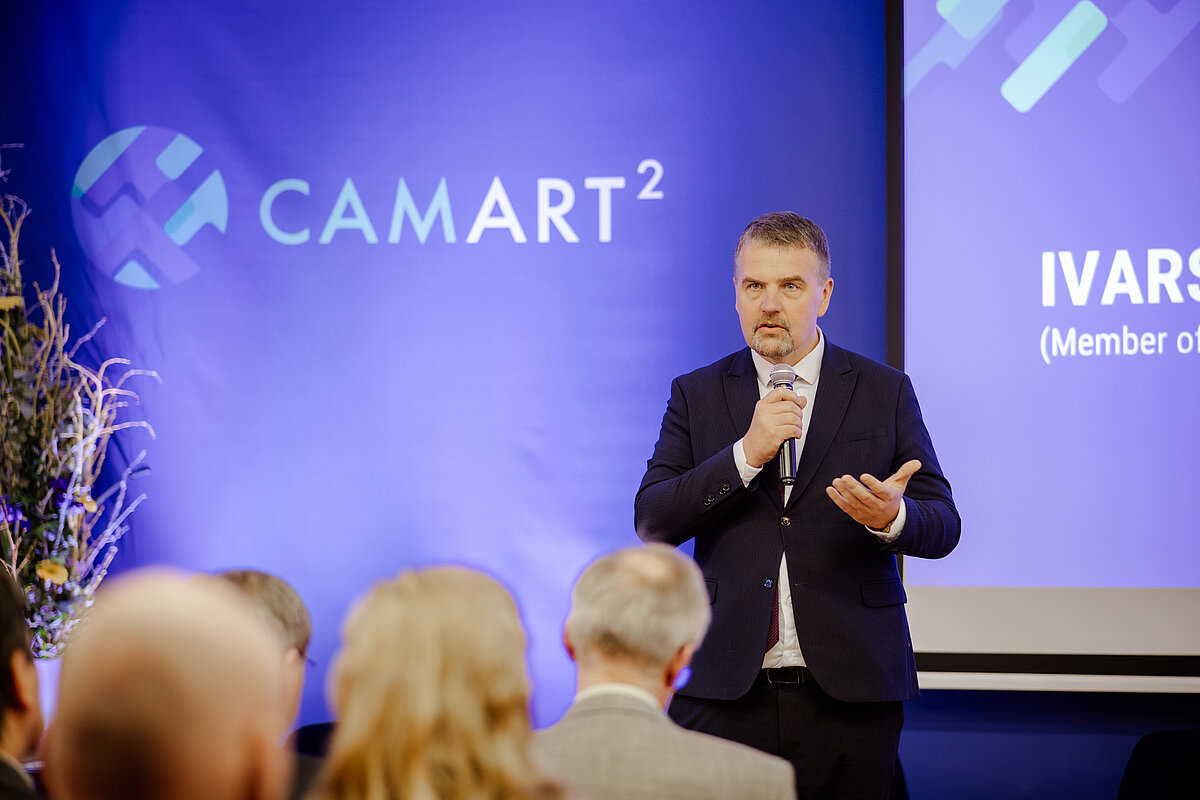
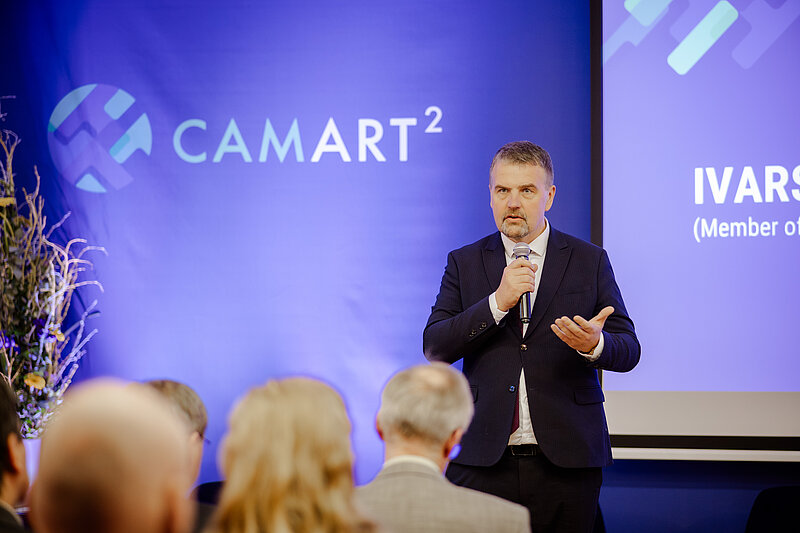
2025 was also a year of notable success in research projects, innovation, and entrepreneurship. A major contribution to the Institute’s growing capacity came from the European Commission-funded CAMART2 project, which concluded with a formal event at the end of March. At the same time, new initiatives were launched: the LACISE project saw its opening event in spring; SWEB successfully organised a summer school and industry day; FeLow-D hosted numerous international experts through its seminar series; and many other projects carried out a wide range of activities.
Overall, 58 new research projects were launched at the Institute in 2025: 14 postdoctoral projects, 11 funded under the FLPP program, and 9 supported by ERDF grants. In the first call of the BioPhoT research and innovation platform, eight ISSP UL projects were approved for implementation (with our researchers involved in two other projects). In addition, 14 further research projects were initiated during the year – more than double compared to previous years.
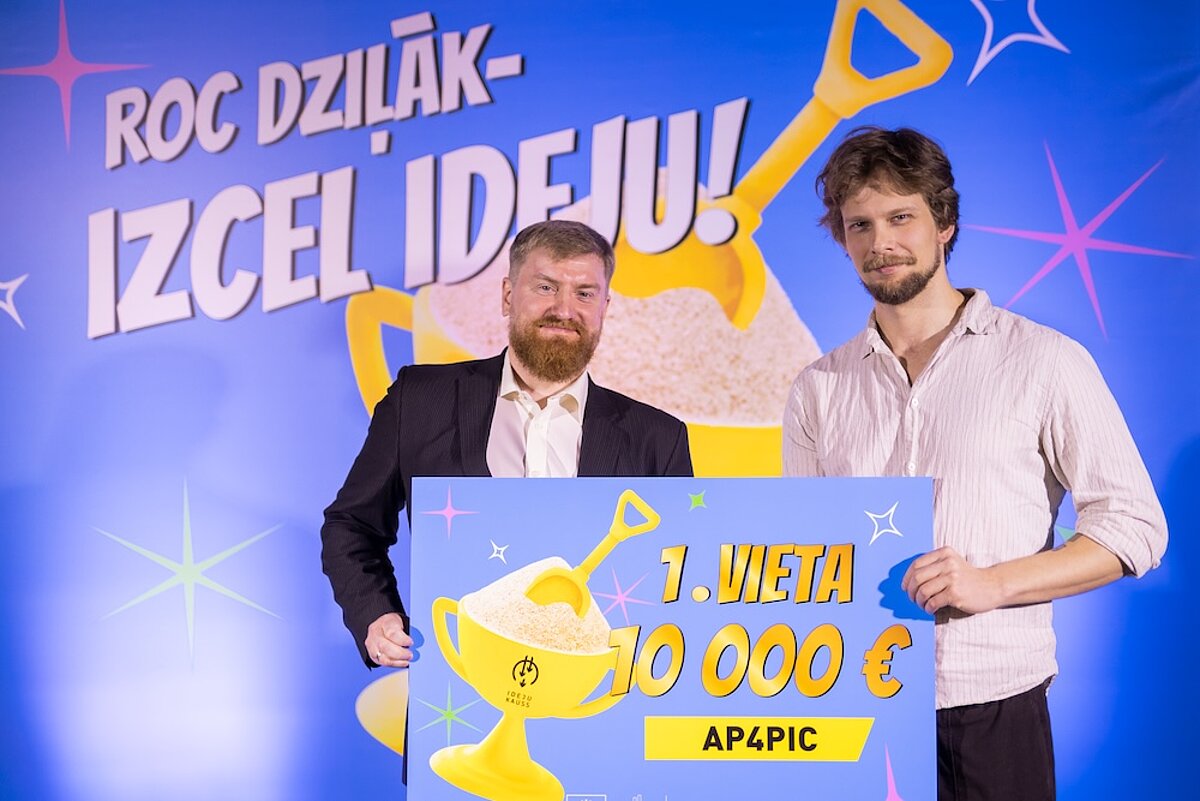
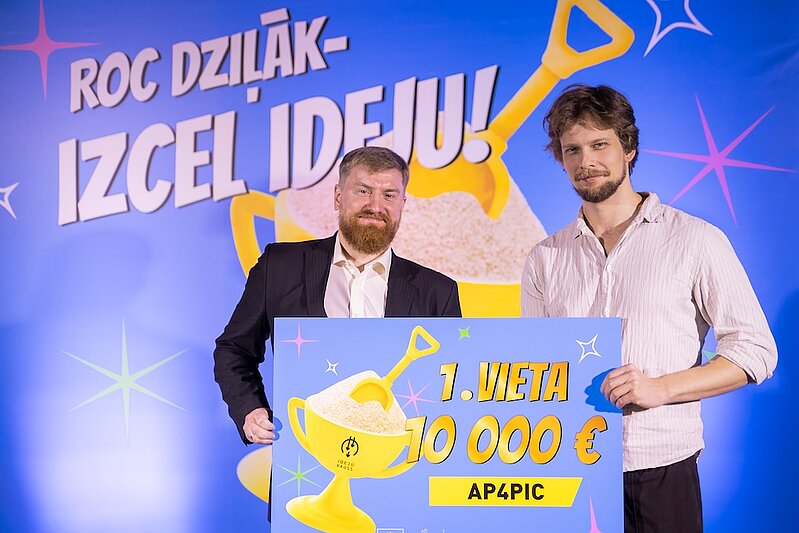
Significant achievements were also made in commercialising our innovations. The Institute’s spin-off company Cellbox Labs secured EUR 3.3 million in funding within the IPCEI project Tech4Cure. The TESS sensor, developed at ISSP UL, was made part of the product catalogue of the USA-based photonics company Thorlabs, demonstrating the international competitiveness of the Institute’s technologies. Within the entrepreneurial ecosystem, we should mention AP4PIC, a polymer photonics microchip start-up founded by ISSP UL researchers, which won the EUR 10,000 grand prize in the competition Ideju kauss 2025 to further develop its concept. The Institute-developed water monitoring technology Spectromarine also achieved notable success, like winning the BRYCK Hub Challenge for start-ups. These are just a few examples that illustrate the ability of ISSP UL researchers to develop high-tech solutions that are in demand on the market.
Major Events and Outreach Activities
Throughout the year, the Institute hosted numerous guest lectures and seminars, fostered knowledge exchange among researchers, and collaborated actively with educational institutions – both by welcoming groups of students and by sending researchers to schools with engaging lectures – thus systematically contributing to STEM education.
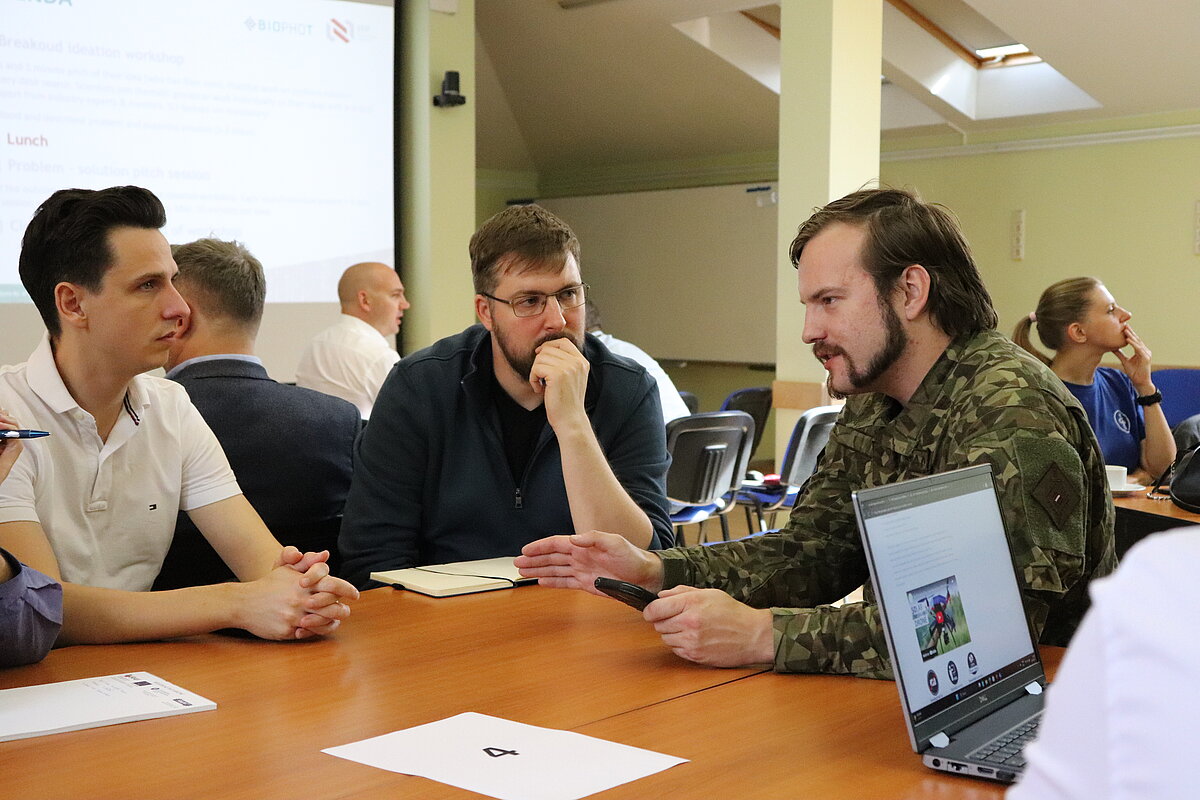
The Institute also strengthened dialogue with industry. The number of industry-commissioned projects increased from 58 in 2024 to 68 in 2025, and cooperation was initiated with eight new clients. Notably, the volume of LIAA-funded vouchers grew in 2025, and total funding for collaborative research projects increased from EUR 190,000 to EUR 508,000, indicating that industry partners are increasingly expanding cooperation beyond standard ISSP UL service-based projects.
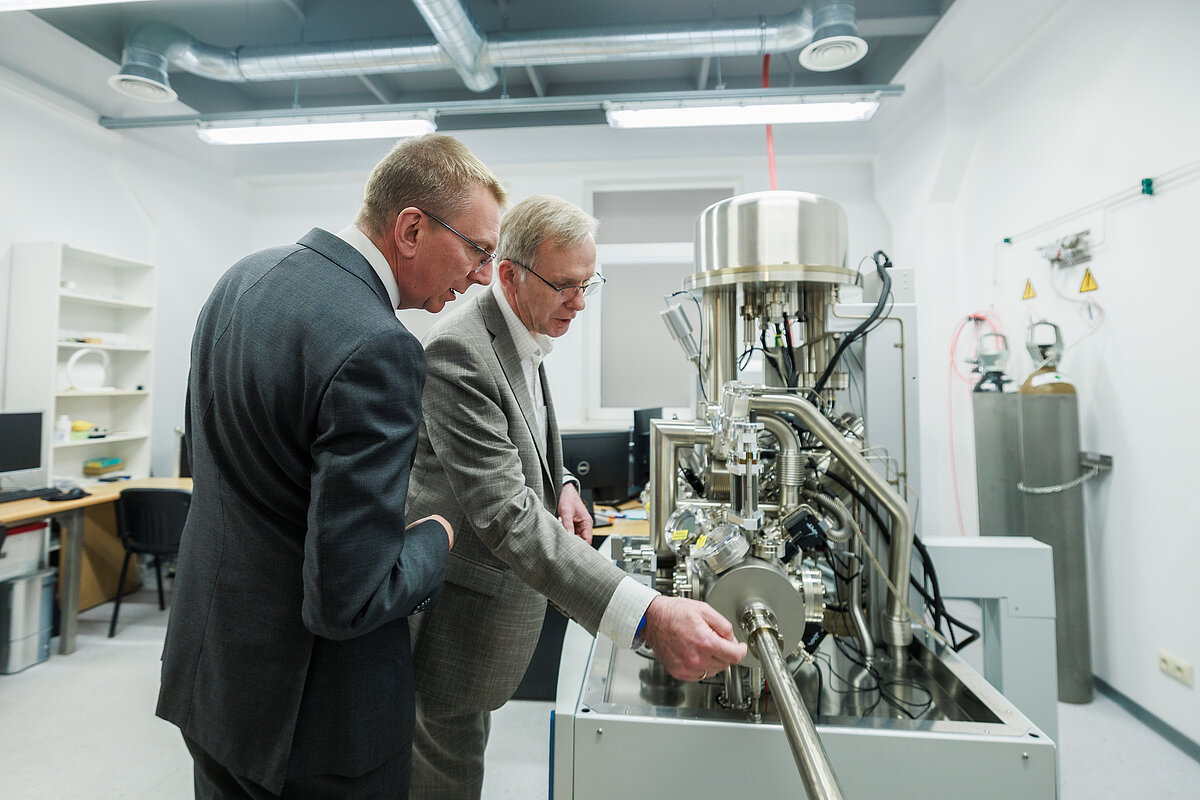
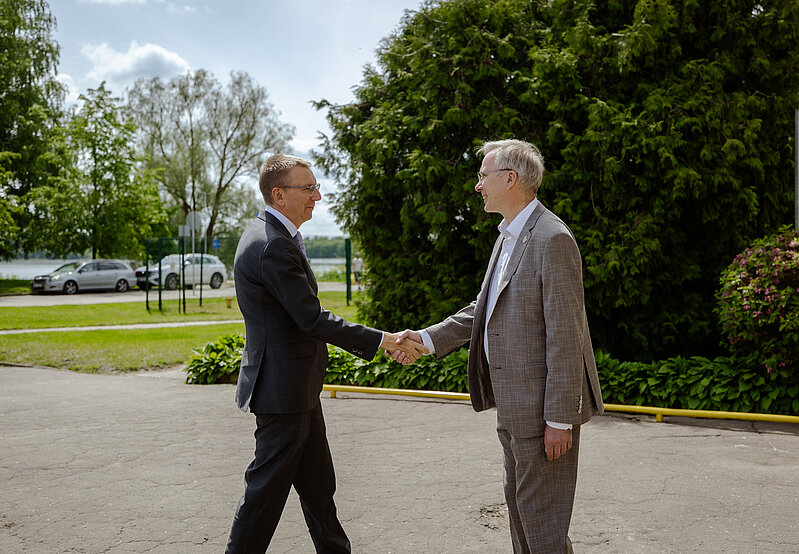
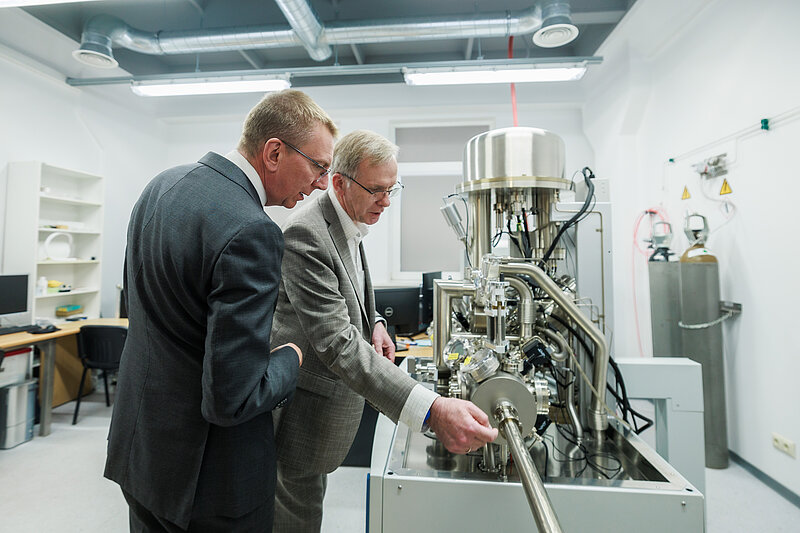
Active engagement with policymakers was another important focus. The Institute hosted high-level guests, including the President of Latvia Edgars Rinkēvičs and Minister for Climate and Energy Kaspars Melnis, and participated in conferences and events where new energy solutions, materials science, and technological development are topics of interest where we can offer our expertise.
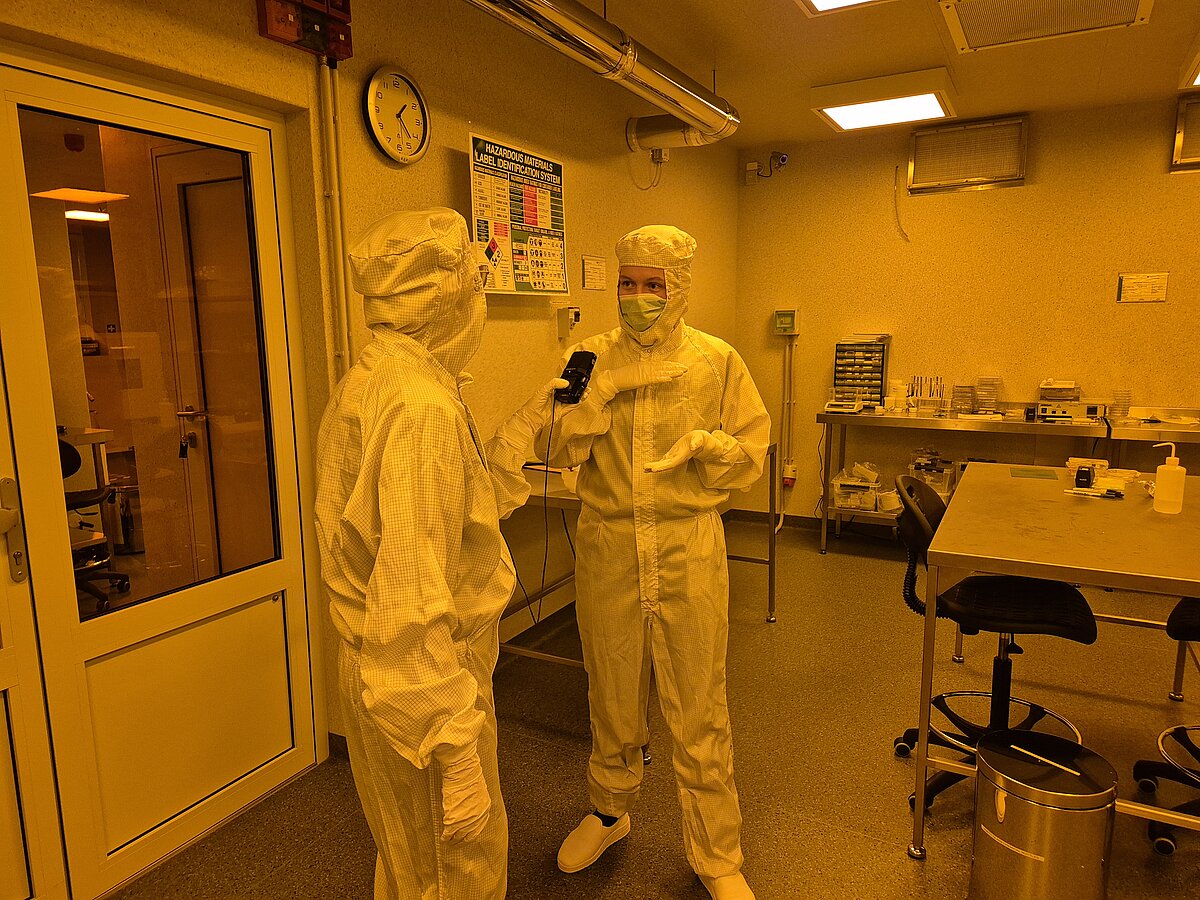
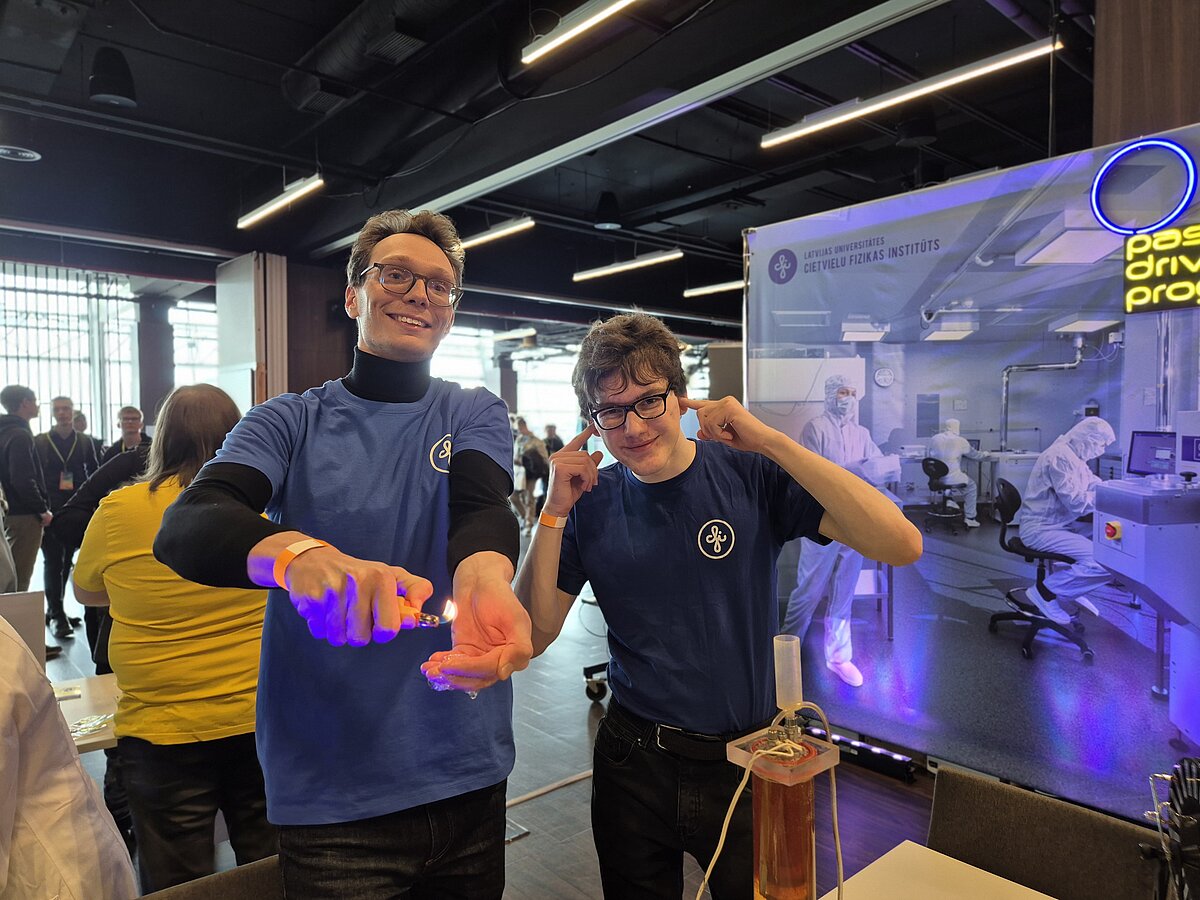
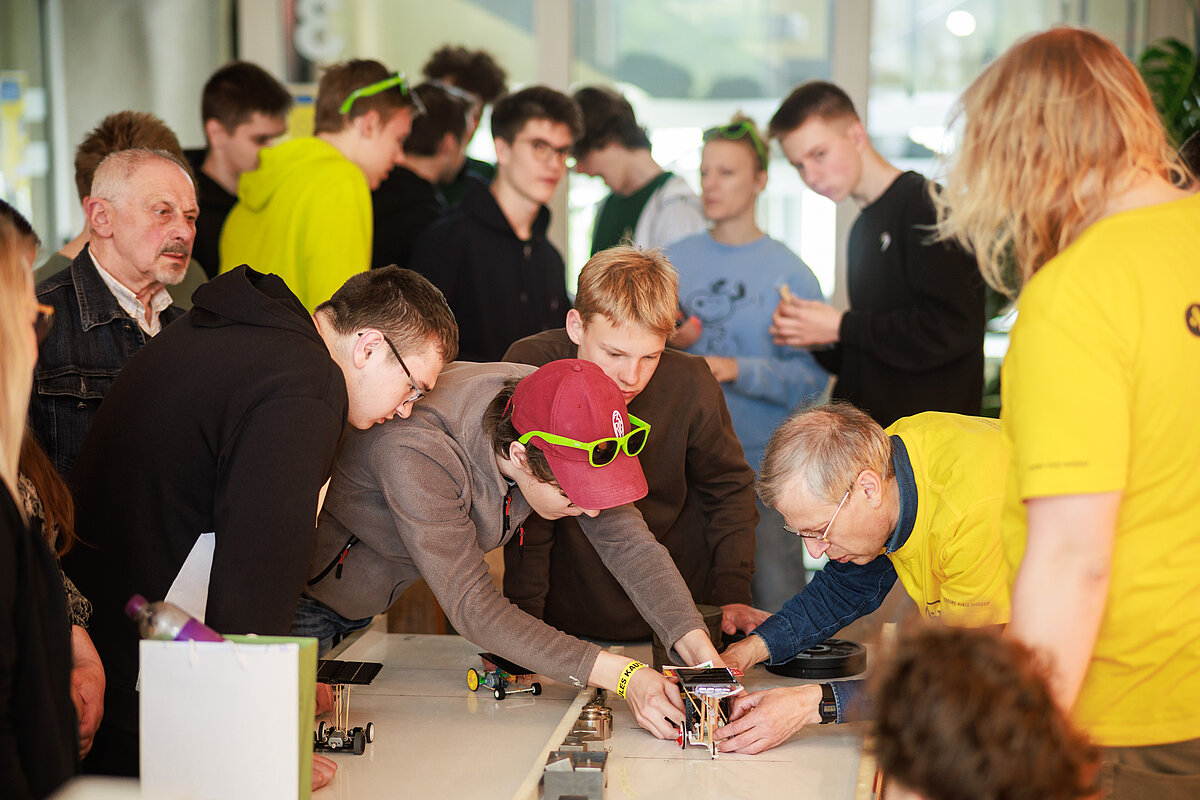
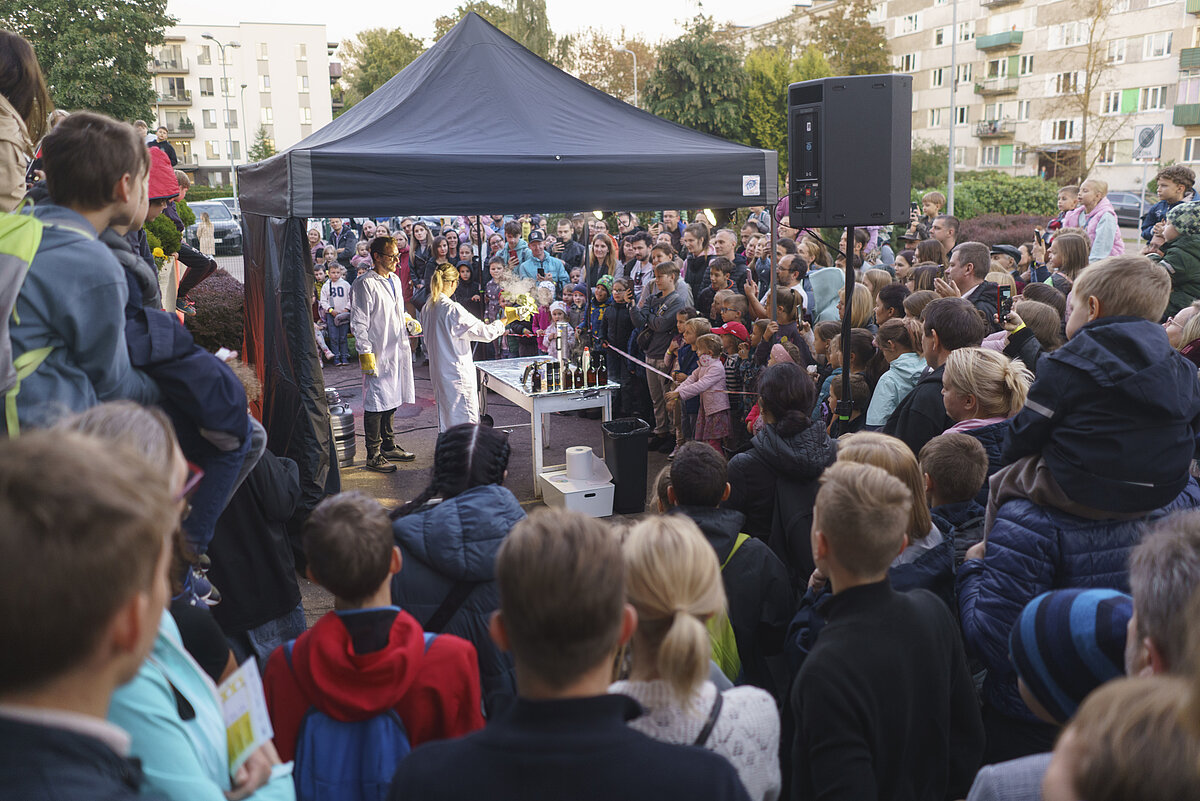
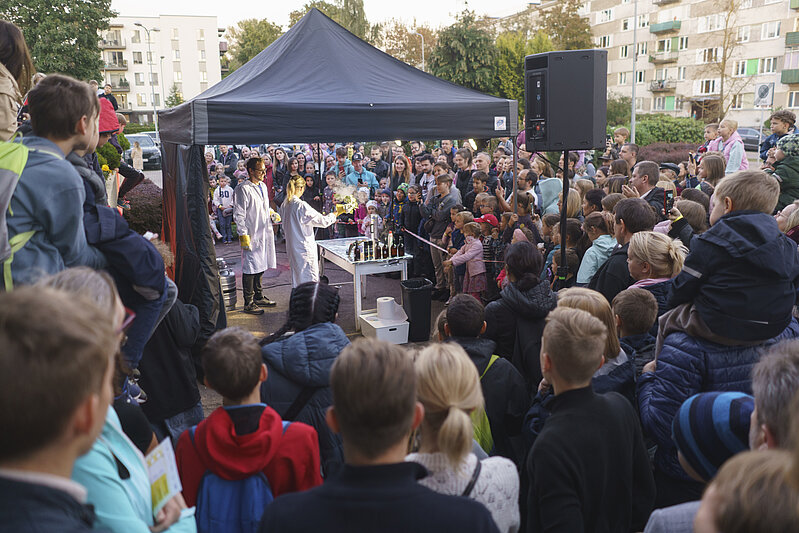
In 2025, ISSP UL was an active organiser of scientific events. Conferences such as DOC Riga 2025 and AMT 2025 were organised, alongside public engagement initiatives aimed at younger audiences, including the "Solar Cup" solar-powered vehicle modelling competition for school students and, of course, European Researchers’ Night. These events also attracted significant media attention – for example, during Researchers’ Night, live broadcasts were aired from the Institute by three different television channels. Media cooperation remained an important theme throughout the year, with ISSP UL experts frequently invited to comment on topics of public interest such as sustainable energy, nuclear power, or something more light-hearted like the scientific explanation of will-o’-the-wisps.
Human Resources Development
During the year, the total number of ISSP UL employees increased from 259 in January to 286 in November, reflecting stable institutional growth and an expanding project portfolio. At the same time, 10 new international researchers joined the ISSP UL team from countries including Chile, India, Iran, and Ukraine, strengthening the Institute’s international capacity and research diversity.
As equal pay and salary transparency requirements are becoming mandatory standards across the EU, ISSP UL initiated internal process improvements and regulatory updates in 2025. In cooperation with PwC, the Institute’s remuneration system was evaluated to ensure compliance with EU requirements and to conduct an equality assessment.
Procurement and Research Infrastructure Development
In 2025, procurement volumes increased significantly in connection with the launch of new research projects. At the same time, the acquisition of new scientific equipment was successfully initiated within the project “Development of the Scientific Infrastructure of the University of Latvia in RIS3 Areas”, further strengthening ISSP UL’s research infrastructure and competitiveness.
Overall, 2025 was a year of growth, cooperation, and focused effort for ISSP UL, reinforcing the Institute’s scientific capacity and visibility both in Latvia and internationally. Our sincere gratitude goes to all Institute employees for their contributions to achieving our shared goals! As we enter the new year, we wish everyone strength, inspiration, and success in continuing ongoing work, implementing new ideas, and reaching even higher achievements.
